

Dining Table Accents
Dining table accents bring character to a room through smaller tables, chairs, and silver pieces that complement the main dining arrangement.
Dining Table Accents
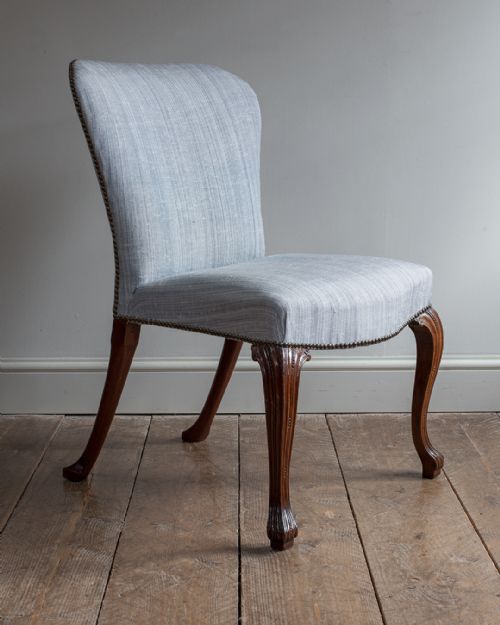
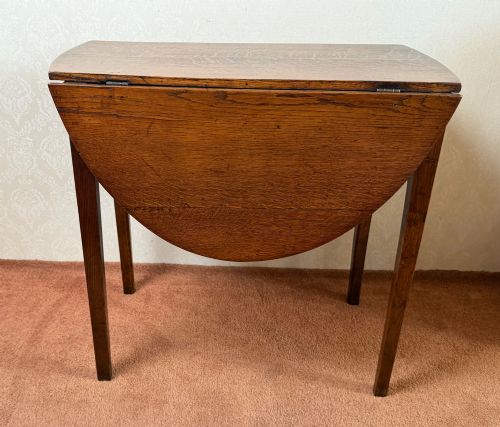
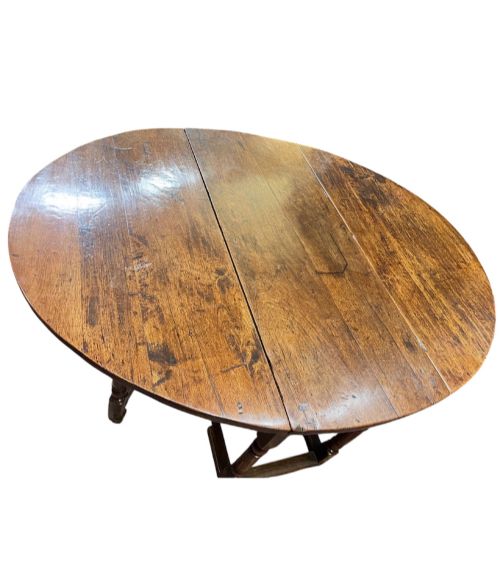
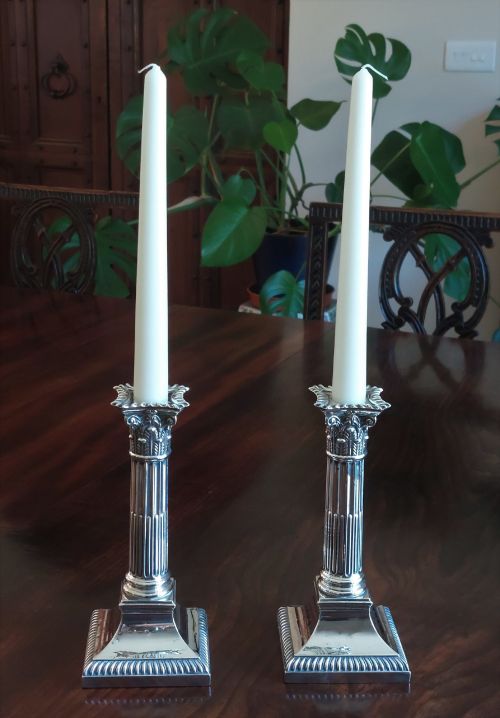
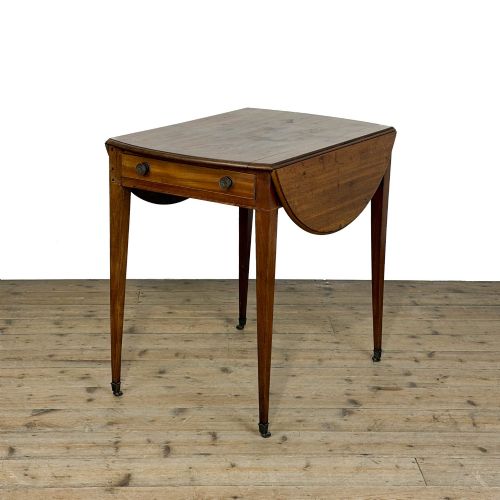
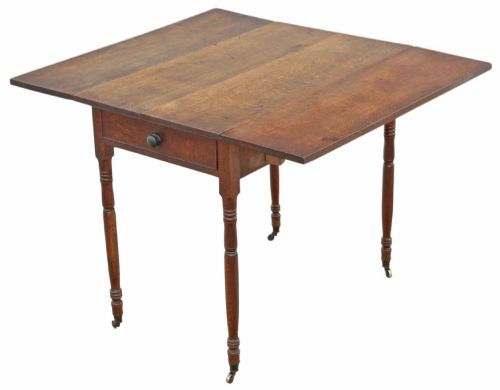
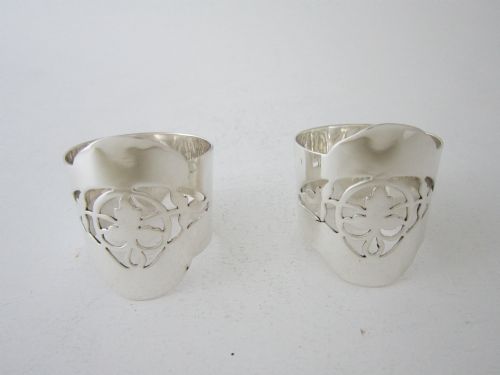
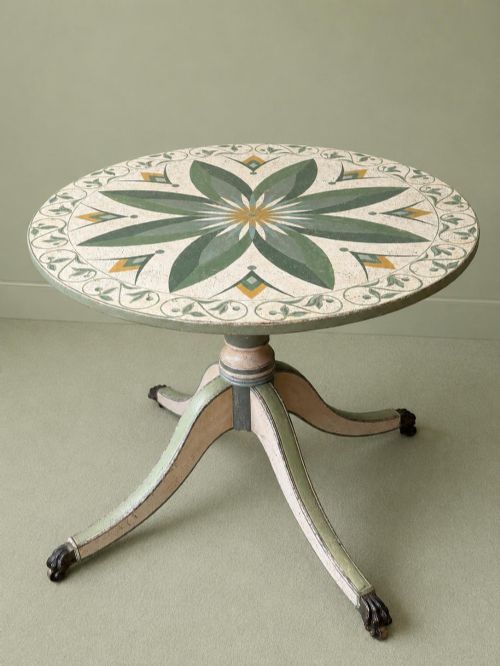
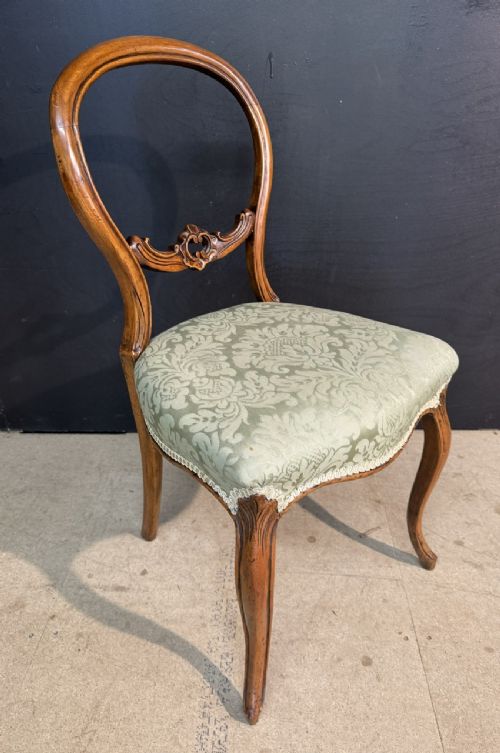
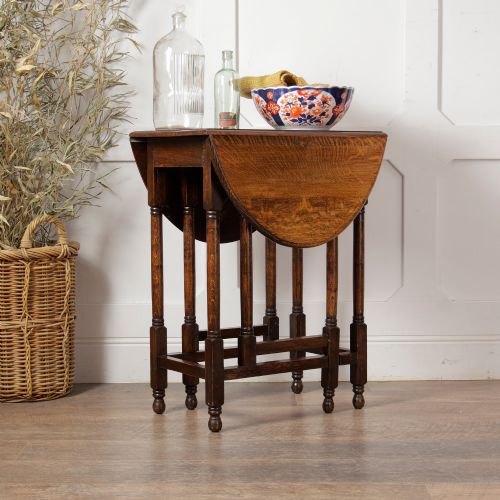
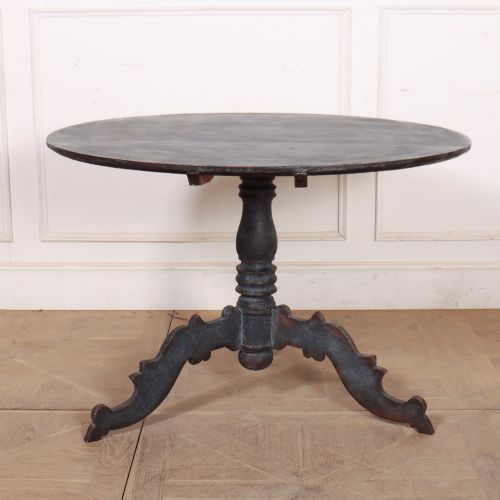
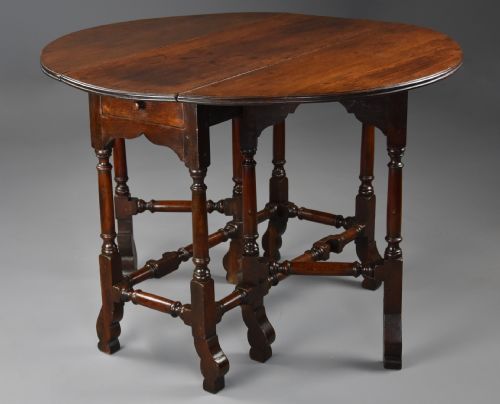
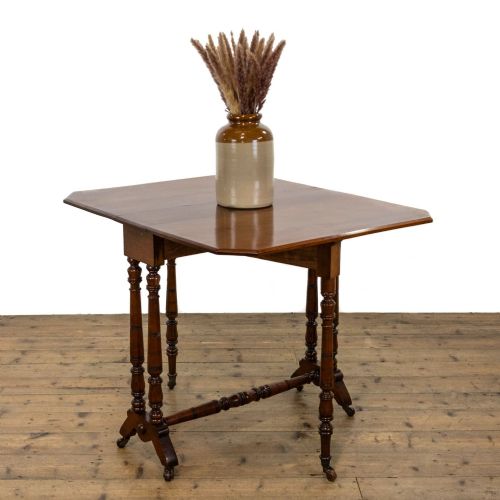
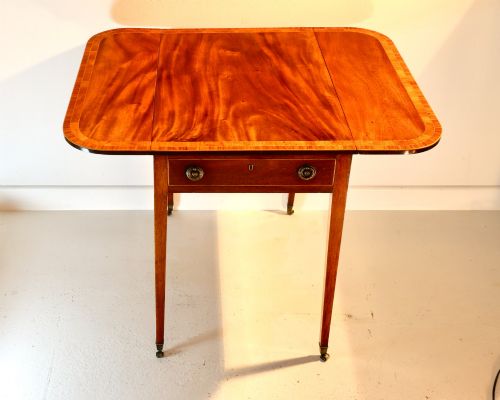
When searching for dining table accents, buyers encounter a mix of smaller tables, seating, and table service items designed to support dining spaces. The selection on this page centres on items such as Pembroke tables, drop leaf tables, side chairs, and candlesticks originating from the seventeenth to the twentieth centuries.
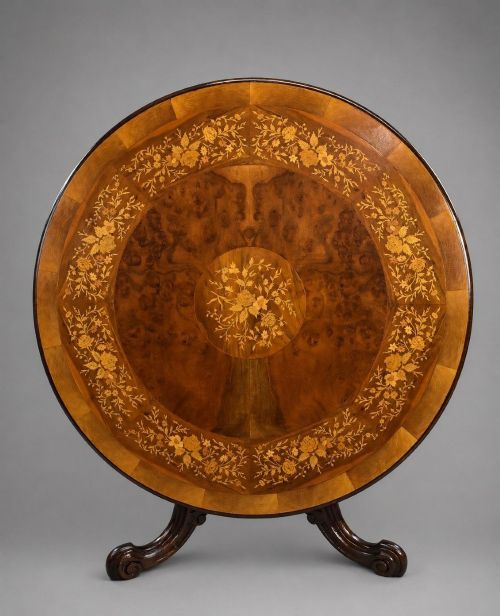
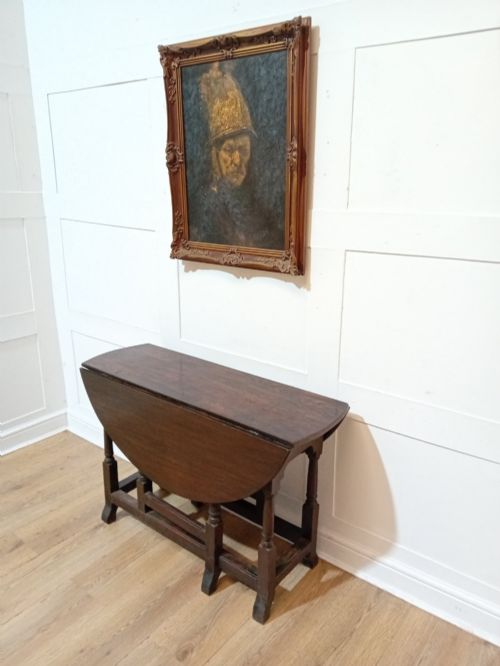
Pembroke and gateleg tables in mahogany, oak, and walnut appear frequently alongside Victorian centre tables and Georgian side chairs. These forms reflect the functional needs of historic dining rooms, where flexible furniture and decorative lighting played a central role in entertaining.
Origins span English, Scandinavian, and general European workshops, with styles ranging from plain oak pieces of the seventeenth century to highly figured Victorian burr walnut and refined Regency mahogany.
Materials and construction
Cabinetmakers utilised solid timbers and veneers suited to each period, relying heavily on mahogany, oak, and walnut. Figured timbers such as burr walnut and flame mahogany appear on top surfaces to create visual depth, whilst secondary woods provided structural support for drop leaves and gateleg mechanisms.
Joinery methods varied by era, from the pegged frames of seventeenth-century oak tables to the precise dovetailing and turning seen in Georgian and Victorian pieces. Surface treatments involved polished wax, oil, and traditional painted finishes that highlighted the grain of the wood or the form of the object.
Dining Table Accents Retail Price Guide 2026
Typical asking prices for dining table accents among the pieces listed under this phrase on Sellingantiques today, from the lower quarter to the upper quarter. They describe what is for sale here now, not the wider market.
Listings feature items from the 17th century through to the 1920s, constructed primarily in mahogany, oak, and walnut.
Markers of quality
Quality rests in the selection of timber and the crispness of execution across mouldings, turnings, and hardware. Pieces exhibiting well-figured grain, balanced proportions, and original structural elements hold greater distinction.
The integration of functional components, such as smooth-operating drop leaves and stable gateleg frames, demonstrates the skill of the original maker. Finer examples retain an honest patina developed through age and regular use rather than heavy restoration.
Garrard & Co·Hille
The Dining Table Accents Glossary
- Pembroke table
- A small rectangular or oval table with two hinged drop leaves on opposing sides, often fitted with one or more drawers.
- Gateleg table
- A table featuring hinged leaves supported by movable legs that swing outward like a gate to hold the leaves upright.
- Centre table
- A freestanding table designed to be viewed from all sides, traditionally placed in the middle of a room rather than against a wall.
- Marquetry
- Decorative inlay work using various woods or other materials to create pictorial or geometric patterns on a surface.
- Dumbwaiter
- A tiered serving stand, often revolving, used to hold dishes and utensils beside a dining table.
Dining Table Accents: Frequently Asked Questions
What are dining table accents?
Dining table accents encompass smaller tables, chairs, and tableware accessories that complement a main dining setting.
Items in this category range from Pembroke and gateleg tables to silver candlesticks and side chairs spanning several centuries.
How were Pembroke tables used?
Pembroke tables served versatile functions in historic homes, acting as breakfast tables, writing desks, or supplementary serving surfaces.
Their drop leaves allowed owners to expand the surface area when needed and fold them down to save space against a wall.
What is the difference between walnut and burr walnut?
Standard walnut timber displays a straight, rich grain pattern commonly utilised in furniture construction across various periods.
Burr walnut derives from the growth warts of the tree, producing highly swirled, organic patterns prized for decorative table tops.