



Diamond Cut Crystal Bowl
These diamond cut crystal bowl pieces are heavy, light-catching vessels built to hold fruit or centrepiece displays.
Diamond Cut Crystal Bowl
A diamond cut crystal bowl is a deep glass vessel shaped for display, dining, or ceiling lighting. The search phrase covers utilitarian fruit bowls, tea mixing bowls, and pedestal comports alongside hanging ceiling lights.
Most examples found here hail from the nineteenth century, including Victorian, Edwardian, Georgian, and Regency eras. Traditional Irish crystal also appears among these heavier table items.
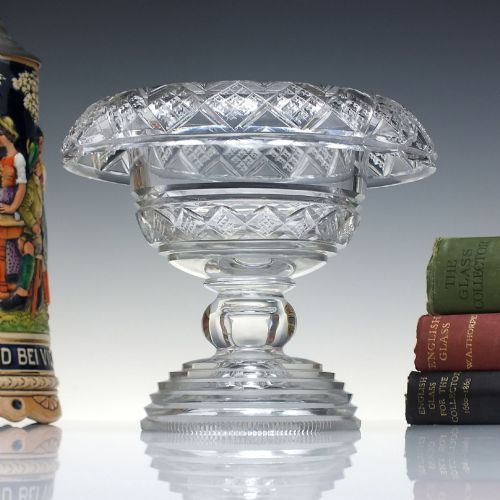
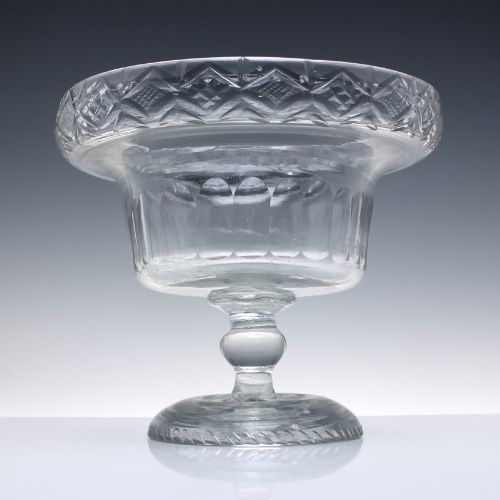
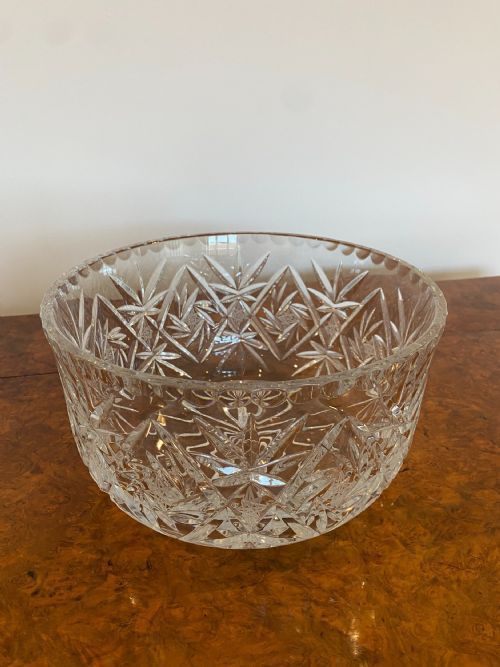
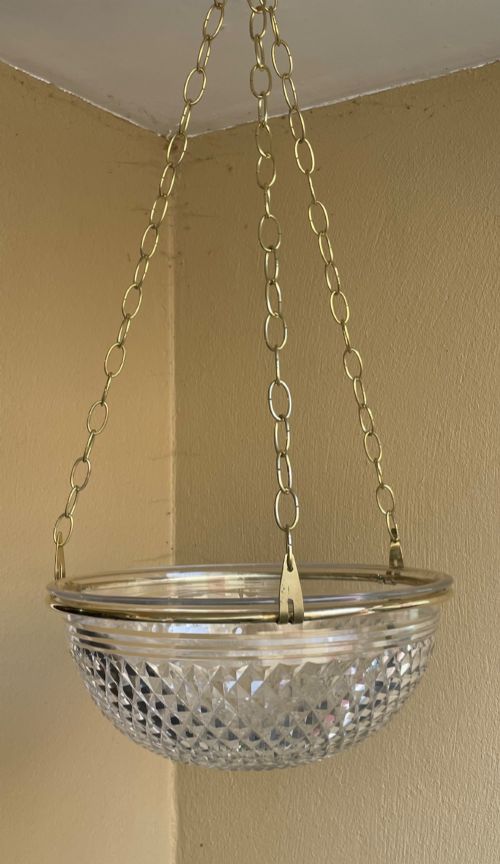
The common form on this page is the decorative table bowl, often cut deeply into geometric facets. Buyers also encounter smaller condiment jars and large hanging dish lights utilising the same cut glass.
How they were made
These items are shaped from lead crystal or heavy cut glass, often combined with mounts of silver plate, brass, or Dutch silver. Artisans formed the foundational vessel through hand blowing before applying deep surface cuts.
The characteristic facets require precise wheel-cutting into the glass surface to create the hobnail patterns and diamond geometries. Secondary metals then secure rims, handles, or suspension chains on specific mounted forms.
Diamond Cut Crystal Bowl Retail Price Guide 2026
Typical asking prices for diamond cut crystal bowl among the pieces listed under this phrase on Sellingantiques today, from the lower quarter to the upper quarter. They describe what is for sale here now, not the wider market.
Some bowls served as tea mixers before evolving into fruit dishes.
What varies in quality
Quality rests upon the crispness of the wheel-cut facets and the weight of the underlying crystal. Deeper, sharper incisions catch the light cleanly, whereas softer edges indicate hurried or later production.
The integration of secondary materials such as silver plate or Dutch silver alters the character of the piece. Masterful proportions in large pedestal bowls and tea mixing vessels separate ordinary domestic glass from superior examples.
The Diamond Cut Crystal Bowl Glossary
- Plafonnier
- A ceiling-mounted bowl light directed upwards or suspended flush. These fixtures diffuse illumination through heavy cut crystal facets.
- Comport
- A elevated pedestal bowl used historically for serving fruit or sweets. They lift the display above the surface of the table.
- Hobnail
- A raised, sharp-pointed pattern cut into the exterior of the glass. It creates a tactile, highly refractive surface texture.
- Tea mixing bowl
- A large vessel utilised in earlier centuries for blending dry teas before infusion. These bowls possess deep proportions to contain loose leaves.
Diamond Cut Crystal Bowl: Frequently Asked Questions
What were these bowls used for?
These vessels served various functions around the home, from mixing dry tea leaves to presenting fruit and sweetmeats on dining tables. Deeper forms held centrepiece displays or acted as hanging ceiling lights.
Heavier pedestal versions elevated food during formal meals. Smaller variants functioned as condiment jars or sweet bowls.
How do I clean a crystal bowl?
Wash the glass gently in warm water using a mild liquid detergent. Avoid abrasive sponges that might scratch the surface or dull the sharp facets.
Dry the vessel immediately with a lint-free cloth to prevent water spots on the heavy lead crystal. Remove any silver plated or brass mounts before washing if they are detachable.
How do I tell Georgian from Victorian pieces?
Georgian examples often display softer lead crystal with broader, hand-cut facets and heavier proportions suited to tea mixing. Victorian and Edwardian items frequently utilise sharper hobnail patterns and machine-driven precision.
Stylistic cues in the accompanying metal mounts, such as silver plate or Dutch silver, also help distinguish the nineteenth-century periods.
Can these ceiling lights be wired today?
Plafonniers and dish lights generally require modern electrical rewiring to meet current safety standards. A qualified electrician can adapt the internal fittings while retaining the original cut glass bowl.
The original suspension chains and brass or silver plated mounts remain intact to support the weight of the glass.