
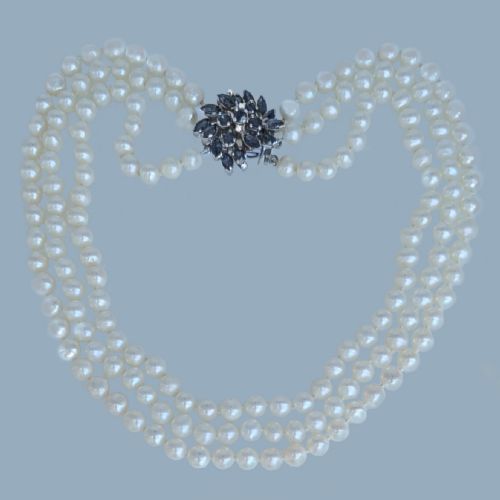


Diamond Cluster Necklace
A diamond cluster necklace brings together central gemstones framed by brilliant diamonds, offering enduring elegance across Victorian, Edwardian, and mid-century designs.
Diamond Cluster Necklace
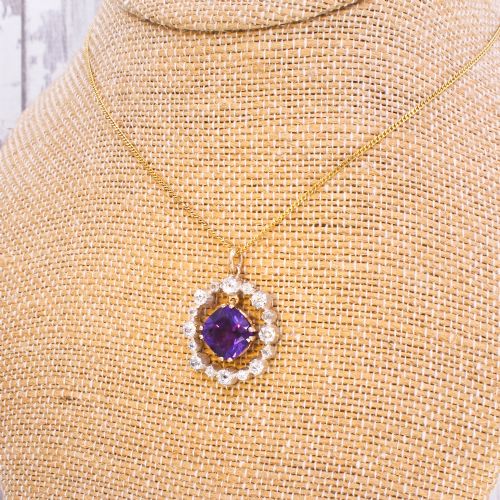
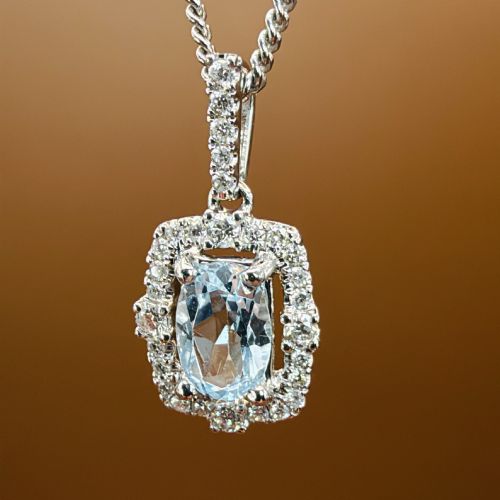
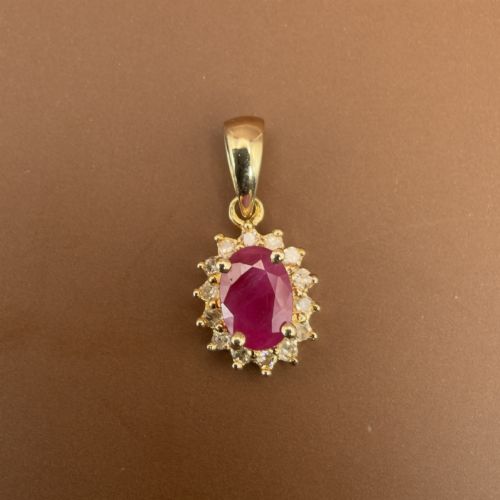
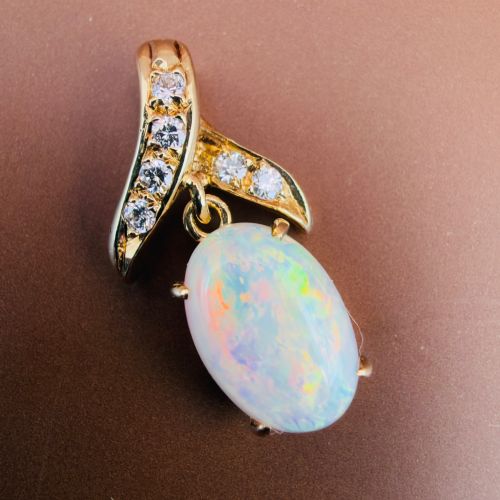
A diamond cluster necklace unites a central stone - often sapphire, ruby, emerald, opal, or amethyst - encircled by smaller diamonds to form a cohesive pendant or clasp. These jewels trace a design evolution from elaborate Victorian and Edwardian scrollwork to geometric Art Deco configurations and structured mid-century iterations.
The format typically manifests as a central pendant suspended from a fine chain, though many pieces integrate the cluster directly into multi-strand pearl necklaces as decorative clasps. The listings show a heavy representation of nine-carat and eighteen-carat gold alongside platinum settings, bridging centuries of craftsmanship.
How they were made
Goldsmiths utilised a combination of yellow gold, white gold, rose gold, silver, and platinum to mount the stones, frequently backing silver on gold in earlier pieces to enhance the brilliance of old-cut diamonds. Stones are secured using claw settings, grain settings, or bezel mounts, reflecting the technological capabilities of their respective periods.
Gemstones such as rubies, sapphires, and emeralds are shaped into oval, pear, or cabochon cuts, paired with rose-cut or old-cut diamonds that display softer, hand-faceted light return compared to modern brilliant cuts.
Central gems paired with diamonds include sapphires, rubies, emeralds, aquamarines, amethysts, opals, and pearls.
What varies in quality
Quality rests upon the matching and saturation of the central gemstones, the symmetry of the surrounding diamond cluster, and the delicacy of the metalwork. Superior examples display harmonious stone proportions where neither the central gem nor the border overpowers the overall composition.
The integrity of the original mountings, legible hallmarks, and the preservation of hand-cut facets without excessive wear indicate higher craftsmanship and careful stewardship over time.
Hirsch and Oppenheimer
The Diamond Cluster Necklace Glossary
- Cluster
- A gemstone arrangement featuring a prominent central stone encircled by a border of smaller stones, typically diamonds.
- Old-cut diamond
- A hand-faceted diamond cut prior to the standardisation of the modern brilliant in the early twentieth century, characterised by a smaller table and higher crown.
- Cabochon
- A gemstone shaped and polished with a smooth, rounded surface rather than faceted sides.
- Pendant
- A hanging ornament attached to a chain or cord, distinct from fixed necklace elements.
- Hallmark
- An official stamp applied to precious metals indicating purity, origin, and sometimes the year of manufacture.
Diamond Cluster Necklace: Frequently Asked Questions
How do I date a diamond cluster necklace?
Dating relies on metal combinations, stone cuts, and hallmarks. Earlier pieces often utilise silver-topped gold and rose-cut diamonds, whereas mid-century examples lean towards white gold and uniform diamond clusters.
Examining the construction of the reverse side and any maker's marks or stamps provides further chronological clues.
Can I wear my necklace every day?
Many of these pieces are robust enough for regular wear, particularly those from the mid-century set in durable gold or platinum settings. Older Victorian and Edwardian items require more mindful handling due to their delicate metalwork and older stone cuts.
Store them separately to prevent scratching softer gemstones like opals or pearls.
How should I clean my antique necklace?
Gentle cleaning with warm water, mild soap, and a soft brush removes everyday oils without harming the setting. Avoid harsh chemical dips, ultrasonic cleaners, or steam, especially if the piece contains treated stones, pearls, or softer gems like opals.
Professional inspection by a jeweller ensures that older claw settings remain secure.