
Diamond and Emerald Jewellery
Diamond and emerald jewellery pairs bright green beryls with brilliant stones in rings and brooches spanning multiple decades.
Diamond and Emerald Jewellery
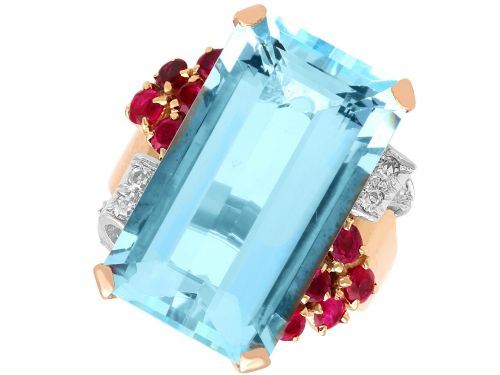
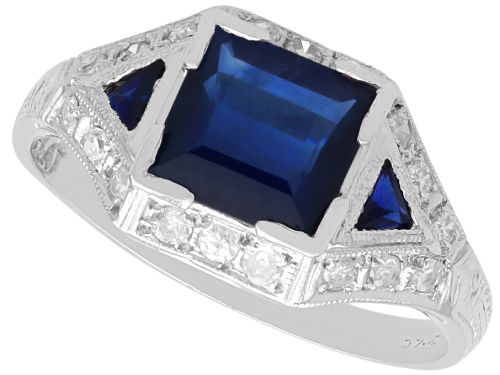
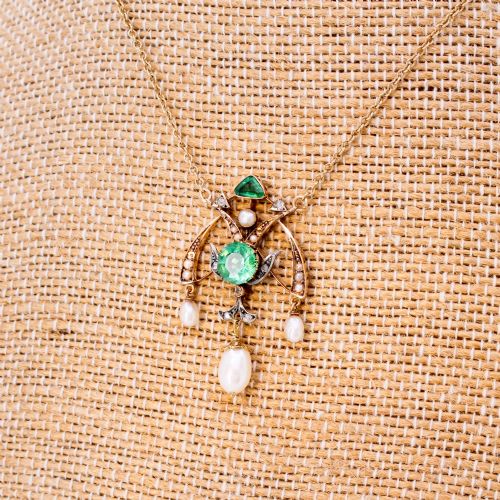
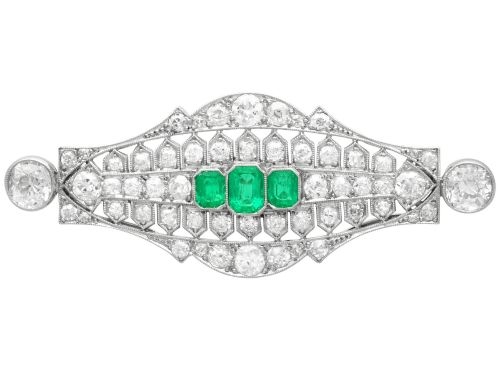
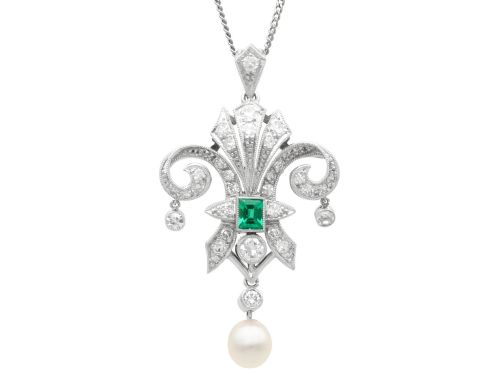
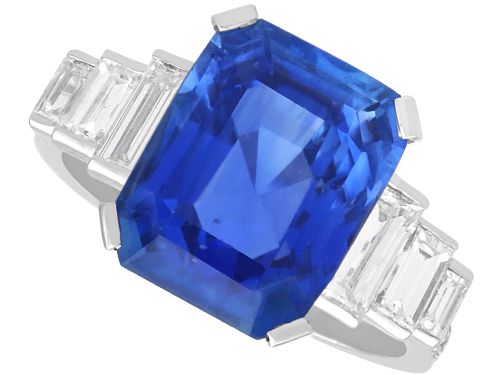
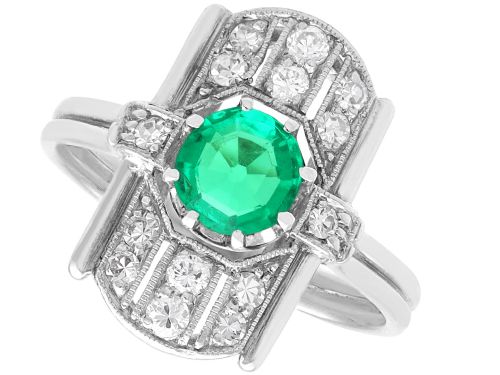
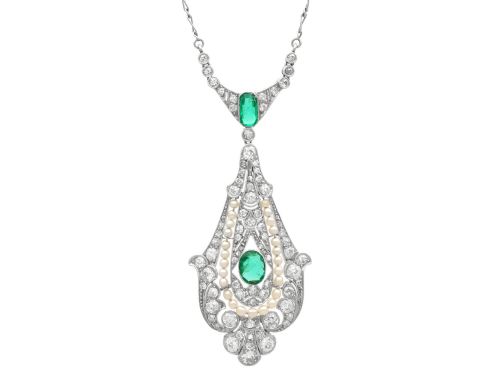
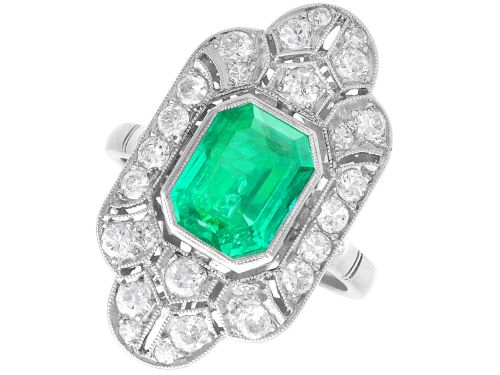
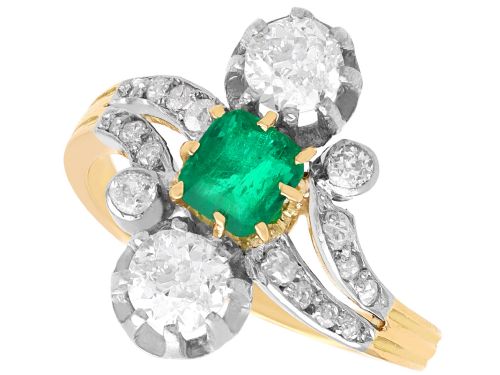
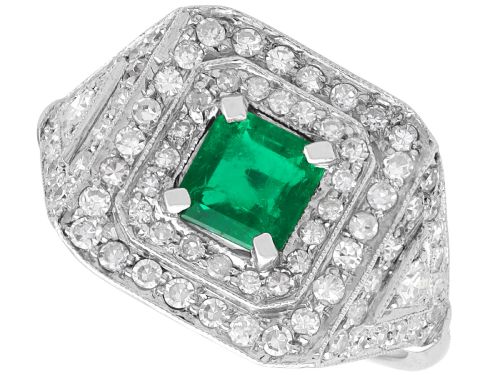
When you browse diamond and emerald jewellery, you encounter a focused selection of rings, pendants, brooches, and earrings spanning the late Victorian era through to the mid-century. The items listed here range from delicate Edwardian cluster rings to striking Art Deco platinum mounts and later vintage cocktail designs.
You are most likely to meet cluster rings and pendants that bring together deep green emeralds and old-cut or brilliant diamonds. These configurations highlight the contrast between the saturated beryl and the sharp white fire of the diamond.
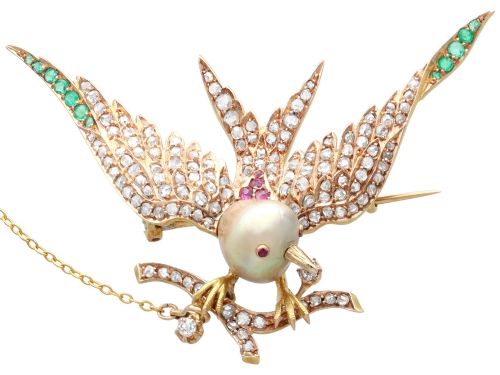
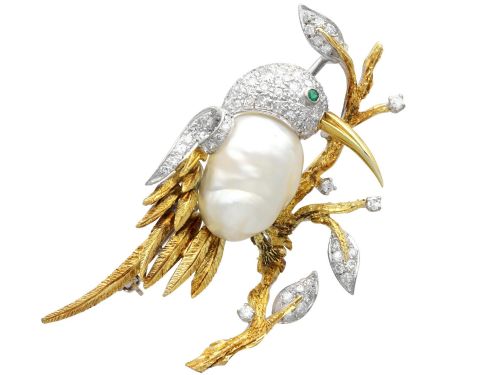
The assortment draws on origins from the late nineteenth century up to the 1960s, capturing shifts in aesthetic preference from naturalistic bird brooches to geometric platinum settings. Each piece preserves the distinct craftsmanship of its specific decade.
Materials and methods of construction
Makers set these stones in a progression of metals, moving from traditional yellow gold in Victorian and Edwardian examples to platinum and white gold during the Art Deco period and mid-century modern era. Platinum provided the structural strength needed for fine geometric wirework and secure prong settings.
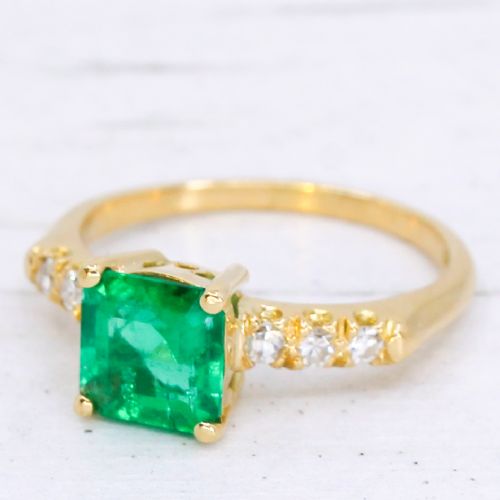
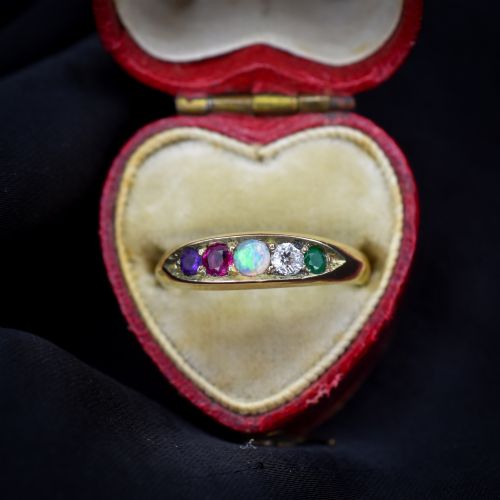
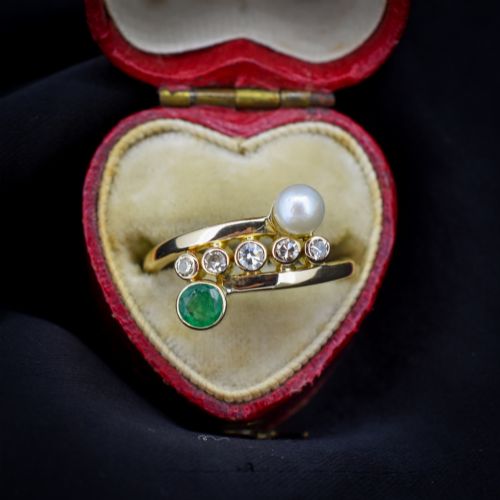
Gems were shaped into emerald cuts, oval cuts, and traditional old cuts to maximise light return and colour distribution. Stones often rested alongside seed pearls or secondary accent gems in multi-stone configurations.
Construction techniques evolved from heavy yellow gold bezels and claw mounts to intricate platinum piercing and millegrain edging. These methods ensured that delicate diamond pavé and central emeralds remained firmly anchored.
Platinum dominates the Art Deco selections here, while yellow gold anchors the earlier Victorian and Edwardian cluster rings.
What separates the finest pieces
The upper tier of these items distinguishes itself through the geological origin and clarity treatment of the emeralds, with Colombian stones showing minimal oil enhancement commanding particular attention. The saturation of the green hue and the absence of distracting inclusions dictate the visual impact of the primary stone.
Metalwork finesse separates standard production from superior output, evident in the precision of the platinum settings and the crispness of millegrain borders. Hand-finished details on Edwardian and Art Deco mounts show a level of artisan control missing from later mass-produced items.
The integration of the diamond element with the emerald dictates overall harmony, where well-matched old-cut or brilliant diamonds enhance the central green stone rather than overpowering it. Proportion and balance across the cluster or brooch determine the long-term desirability of the piece.
The Diamond and Emerald Jewellery Glossary
- Art Deco
- A design style spanning the 1920s and 1930s characterised by geometric symmetry, clean lines, and extensive use of platinum. It remains one of the most recognisable periods for fine gemstone rings.
- Cluster ring
- A ring design featuring a central prominent stone surrounded by a tighter ring of smaller gems, typically diamonds encircling an emerald. This layout maximises the apparent scale of the centre stone.
- Millegrain
- A decorative jewellery technique involving a line of tiny raised metal beads along the edge of a setting. This detail softens harsh metal boundaries and signals Edwardian or Art Deco manufacture.
- Old-cut diamond
- A hand-faceted diamond cut popular before modern brilliant proportions were standardised in the early twentieth century. These stones exhibit smaller tables and broader facets suited to candlelight.
- Colombian emerald
- Emerald origin denoting stones sourced from specific South American mines renowned for rich colour saturation. These stones often carry specific significance regarding enhancement levels in gemmological reports.
Diamond and Emerald Jewellery: Frequently Asked Questions
How do I care for antique emerald rings?
Emeralds are softer than diamonds and possess natural inclusions that require gentle handling during everyday wear. Avoid ultrasonic cleaners and harsh chemicals, opting instead for professional inspection.
Store pieces separately in lined boxes to prevent softer gemstones from scratching against harder diamond facets.
What periods do these pieces cover?
The available selection spans from late Victorian items of the 1890s through Edwardian, Art Deco, and mid-century modern eras up to the 1960s. Each decade brings distinct metal choices and mounting styles.
Early pieces often feature yellow gold whilst later examples favour white gold and platinum settings.
Are emerald treatments common?
Many emeralds undergo minor oil or resin treatments to fill microscopic surface-reaching fissures and improve clarity. Laboratory reports often specify the degree of enhancement present in the stone.
Stones with negligible oil enhancement are particularly sought after by collectors.
How do I identify an Art Deco setting?
Art Deco mounts rely heavily on platinum, geometric motifs, and openwork galleries that let light pass through the stones. Millegrain borders and sharp angles define this twentieth-century aesthetic.
These pieces contrast sharply with the softer floral motifs of preceding Victorian and Edwardian jewellery.