




Devotional Wooden Sculpture
These devotional wooden sculpture pieces bring centuries of sacred craft and quiet contemplation straight into your interior.
Devotional Wooden Sculpture
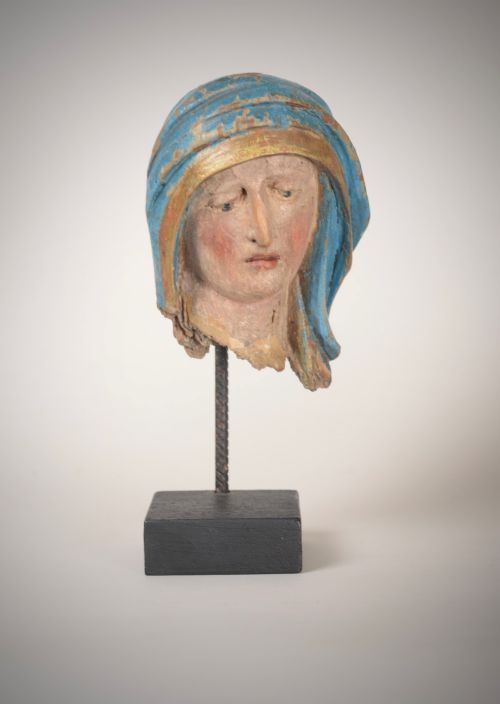
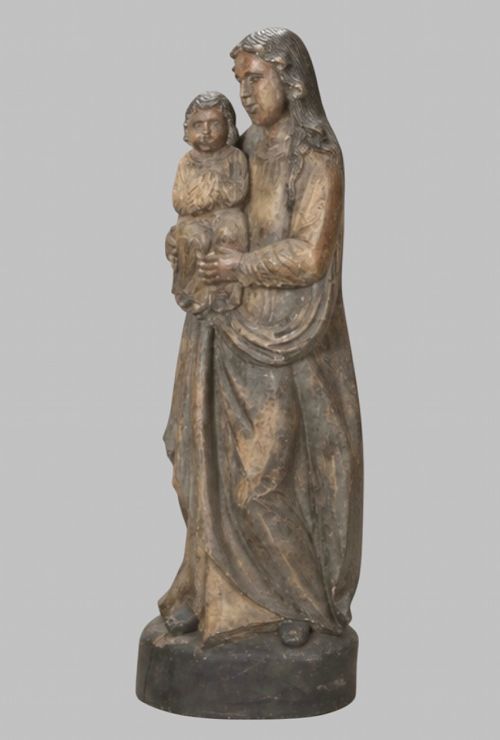
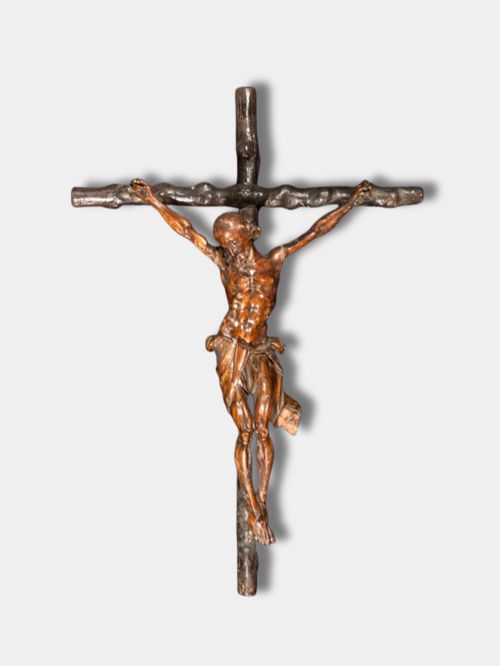
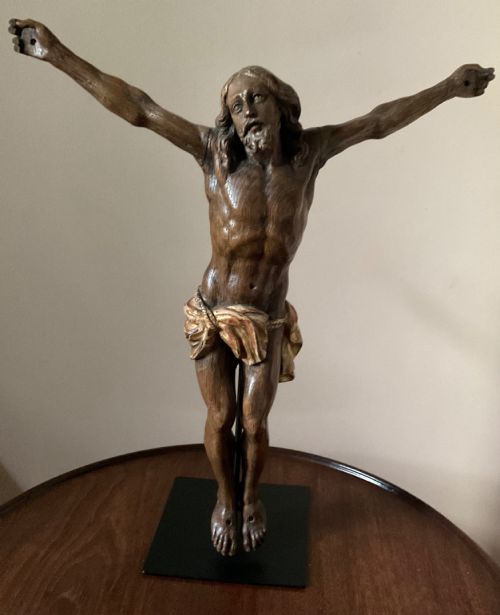
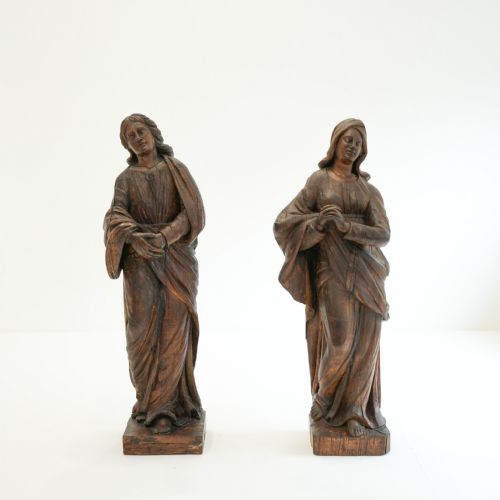
A devotional wooden sculpture serves as an object of faith and personal contemplation, originating from domestic shrines and chapels. These works depict sacred figures including the Madonna and Christ Child, saints, and the Corpus Christi.
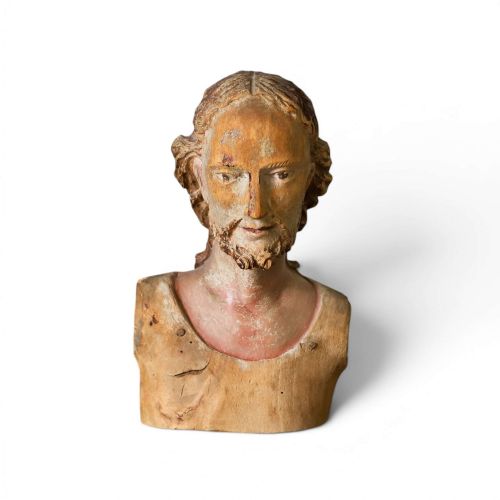
Examples on this page span from pre-sixteenth century Gothic pieces to nineteenth century folk art. Forms range from full-length processional figures and crucifixes to detailed character heads and busts.
European workshops dominate these listings, featuring distinct regional traditions from Italy, Spain, France, and Germany. Buyers encounter both polished Baroque carvings and simpler religious folk art objects.
Materials and construction methods
Carvers shaped these figures from solid timber, utilising regional hardwoods such as oak, olive wood, lindenwood, and box wood. Artisans selected these dense woods to allow deep relief carving and detailed facial expressions.
Many surfaces received a layer of gesso before painters applied polychrome pigments, gold leaf, or natural finishes. This combination of carved wood and applied paint created lifelike representations of sacred garments and flesh.
Factors determining quality
The preservation of original polychrome paint surfaces significantly impacts the character of each piece. Traces of historical gesso, pigment, and gilding show the authentic age and ritual use of the sculpture.
The Devotional Wooden Sculpture Glossary
- Corpus Christi
- A sculptural representation of the body of Jesus Christ on the cross. These figures focus on the anatomy of the crucifixion.
- Polychrome
- The practice of decorating sculptural surfaces in multiple colours. Artisans applied pigments over gesso to enhance realism.
- Gesso
- A plaster mixture applied to wood surfaces to create a smooth base for painting and gilding. It seals the timber before pigment application.
- Santos
- A carved figure representing a saint or sacred personage used in Hispanic religious processions and home altars. These statues often wear fabric garments.
- Baroque
- An artistic style characterised by dramatic movement and deep emotional tension. Sculptures from this period display dynamic poses and ornate drapery.
Devotional Wooden Sculpture: Frequently Asked Questions
How should I display a wooden sculpture?
Place your sculpture away from direct sunlight and sudden temperature changes to protect the historic wood and paint. Stable indoor conditions prevent the timber from drying out and cracking.
mount the piece securely on a stable surface or wall bracket depending on its original base or hanging configuration.
How do I identify the age of a carving?
Examine the tool marks, wood species, and the wear patterns on any applied gesso and paint layers. Older pieces often show hand-adzed surfaces and patination from centuries of handling.
compare the stylistic details, such as the cut of the garments, against established regional periods like Gothic or Baroque.
Were these figures used in churches?
Many examples served sacred functions in rural chapels, parish churches, and monastic foundations across Europe. Larger crucifixes and processional statues were central to religious services and public festivals.
other smaller carvings were created specifically for private prayer within domestic households and family shrines.
What is polychrome wood?
Polychrome wood refers to sculptures painted in various colours to achieve a lifelike appearance. Craftsmen applied mineral pigments bound in oil or tempera over a prepared gesso ground.
this traditional technique gave sacred figures realistic skin tones and richly coloured vestments.