

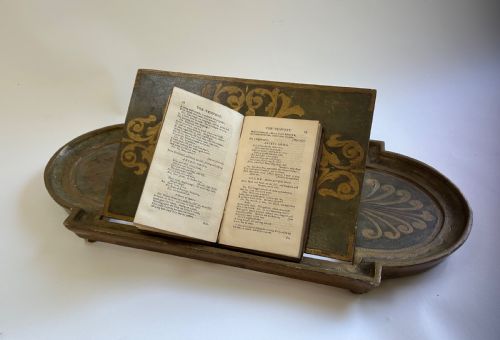


Desktop Book Stand
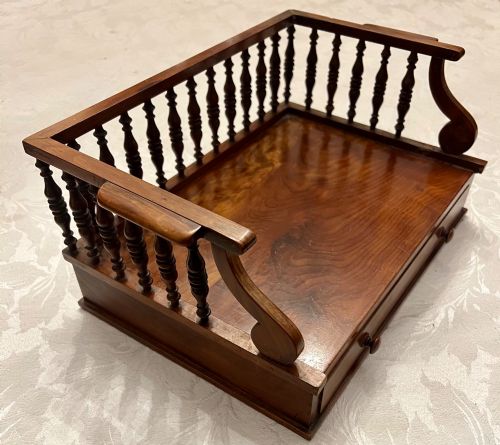
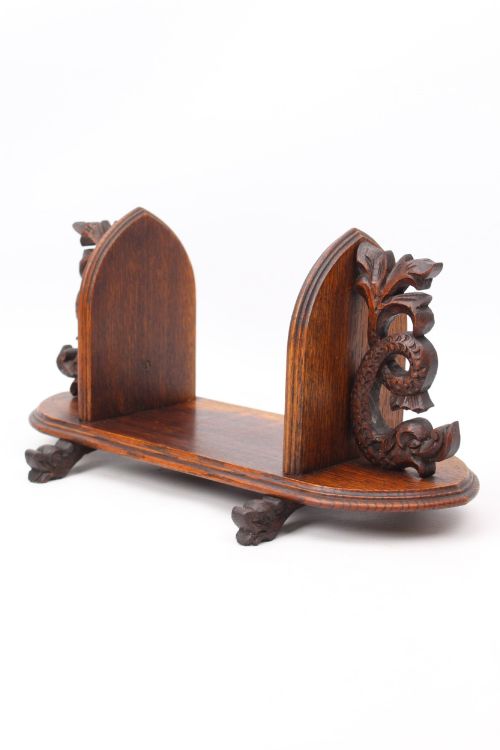
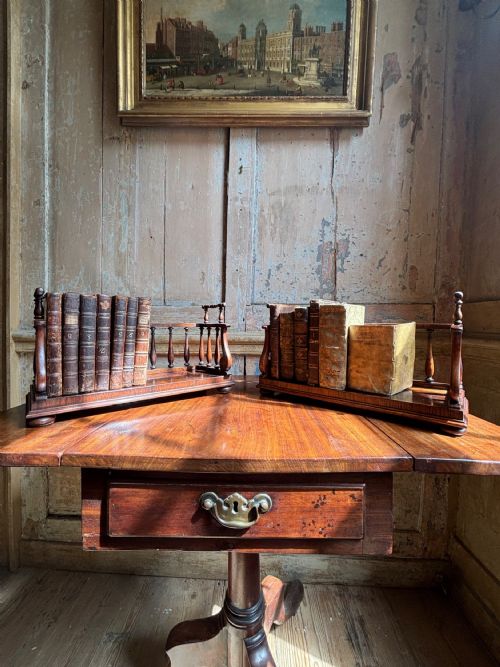
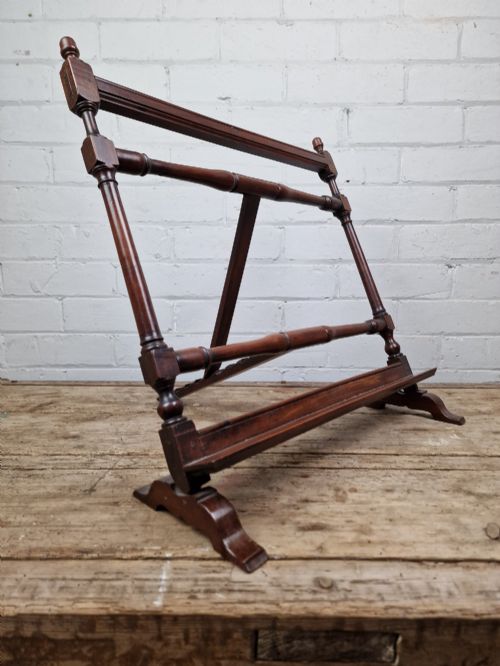
These desktop book stand examples span periods from the Regency to the Art Deco era, offering practical ways to organise volumes in a study.
Desktop Book Stand
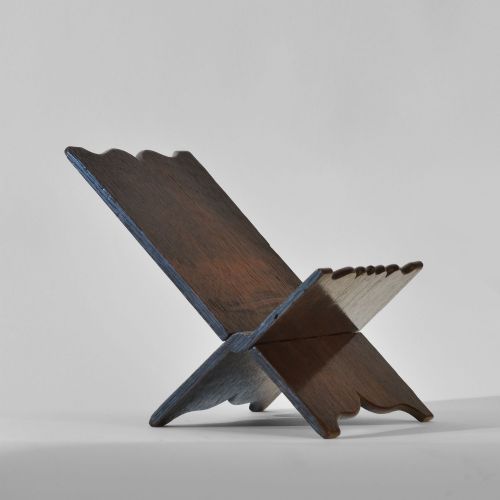
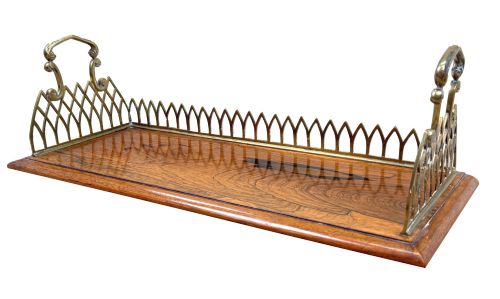
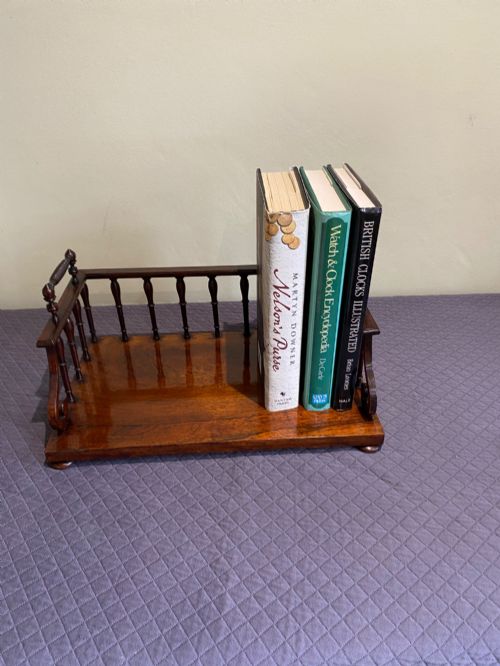
A desktop book stand serves as a functional desk accessory designed to hold volumes upright or display them securely within arm's reach. Pieces matching this search phrase range from extending book slides and stationary troughs to revolving bookcases and table-top easels.
Buyers are most likely to encounter Victorian and Edwardian examples fashioned from timber such as oak, mahogany, walnut, and rosewood. These formats frequently incorporate extending mechanisms, brass mounts, or inlaid decoration suited for domestic libraries and office desks.
How They Were Made
Cabinet makers utilised dense hardwoods including mahogany, rosewood, walnut, and oak to construct these desktop pieces, often employing mortise and tenon joinery for stability. Extendable designs relied on smooth sliding wooden channels or brass tracks to allow the sides to expand and contract.
Decorative surface treatments included Tunbridge Ware, inlay, ebonised finishes, and mounted brass plaques or Pietra Dura panels. These additions transformed utilitarian desk accessories into ornamental objects reflecting prevailing Regency, Gothic Revival, Arts and Crafts, and Art Deco tastes.
Desktop Book Stand Retail Price Guide 2026
Typical asking prices for desktop book stand among the pieces listed under this phrase on Sellingantiques today, from the lower quarter to the upper quarter. They describe what is for sale here now, not the wider market.
Certain Victorian book slides include secret compartments for stamps or nibs, hiding stationery provisions within the library desk accessories.
What Varies in Quality
The standard of a desktop book stand depends largely on the selection of timber and the precision of its mechanical elements. Examples featuring figured veneers, substantial brass mounts, or patent extending mechanisms demonstrate a higher degree of initial craftsmanship.
Design complexity also separates standard pieces from finer specimens, evident in carved detailing, inlaid Tunbridge Ware, or specialised revolving platforms. The integrity of the wood and the smooth operation of sliding or rotating components dictate the overall standard.
Arthur Simpson·Betjemanns
The Desktop Book Stand Glossary
- Book slide
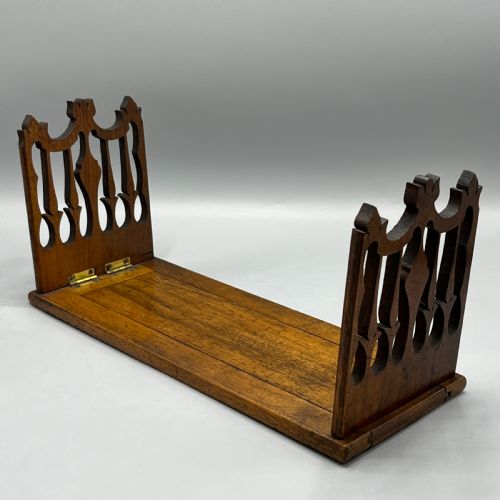
- A desktop stand with extendable sides designed to hold a variable number of volumes upright between two ends. These often feature hinged or fixed uprights mounted on a wooden base.
- Tunbridge Ware
- A form of British woodworking characterised by small mosaic patterns assembled from tinted woods to create pictorial scenes or geometric borders. It frequently decorates Victorian desk accessories.
- Revolving bookcase
- A small table-top case mounted on a rotating pivot that allows books to be accessed from multiple angles. They appear in oak and mahogany during the Edwardian period.
- Pietra Dura
- An inlay technique utilising cut and fitted polished coloured stones to create images. On Victorian book slides, these stone panels typically depict floral or architectural motifs.
Desktop Book Stand: Frequently Asked Questions
How do extending book slides work?
Extending book slides feature a base split into overlapping or interlocking wooden sections that glide apart to accommodate more volumes. Brass runners or hinged brackets often support the expanding mechanism.
This design allows the upright ends to remain perpendicular to the desk surface regardless of how many books are held between them.
What periods do these stands come from?
The available examples span from the Regency and Georgian periods through the Victorian and Edwardian eras, extending into the 1930s. Each era introduced distinct stylistic preferences such as Gothic Revival or Art Deco.
Victorian and Edwardian versions form the majority of surviving examples found on desks today.
Where were table-top revolving bookcases used?
Table-top revolving bookcases were placed on large desks, sideboards, or tables to keep reference volumes or frequently read books close at hand. Their rotating function maximised desk space in studies and libraries.
Edwardian iterations frequently utilised compact oak or inlaid mahogany formats for domestic use.
What materials are most common?
Solid and veneered hardwoods dominate the selection, with oak, mahogany, walnut, and rosewood appearing frequently across the inventory. Ebonised wood and exotic timbers like coromandel also occur.
Metal components such as brass mounts, hinges, and extending brackets frequently accompany these wooden structures.