



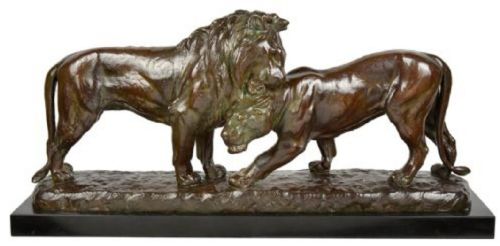

Desk Lion Ornaments
These desk lion ornaments are desk accessories and sculptures modelled on classical, grand tour, and traditional Chinese designs, offering a touch of history and power to a workspace.
Desk Lion Ornaments
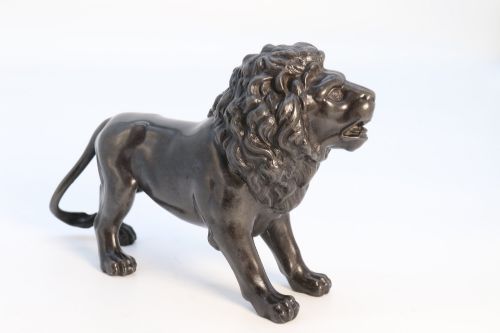
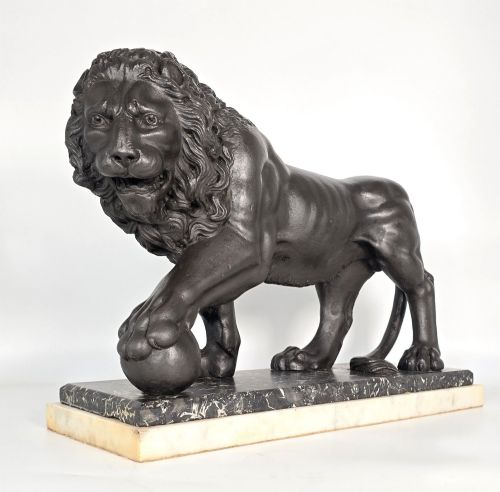
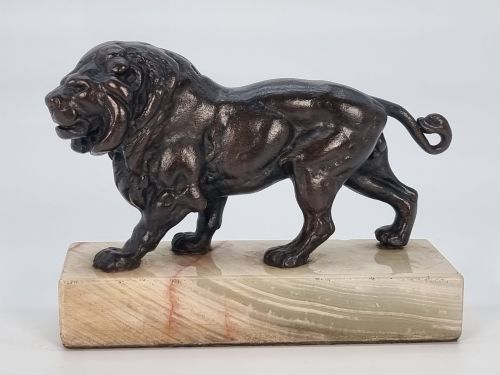
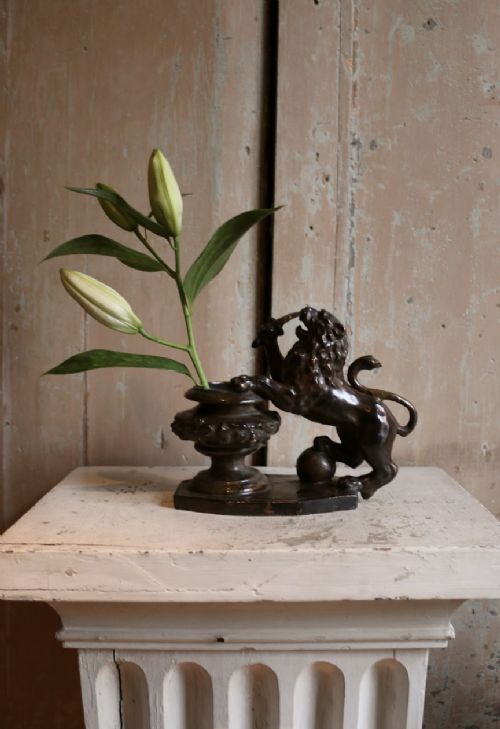
Desk lion ornaments encompass sculptures, inkwells, paperweights, and desk seals that feature classical and traditional representations of lions. When searching for desk lion ornaments, buyers encounter diverse forms ranging from English pewter studies to Grand Tour bronzes mounted on marble or onyx bases.
The selection spans several periods, most notably the nineteenth century, alongside seventeenth-century carved pieces and early twentieth-century examples. Neoclassical, Victorian, Animalier, and Baroque styles dominate the grouping, reflecting both European Grand Tour influences and traditional Chinese craftsmanship.
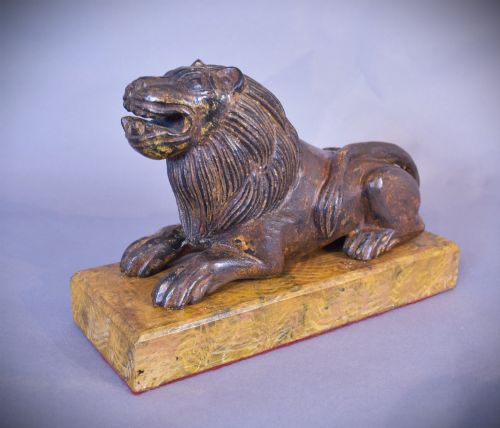
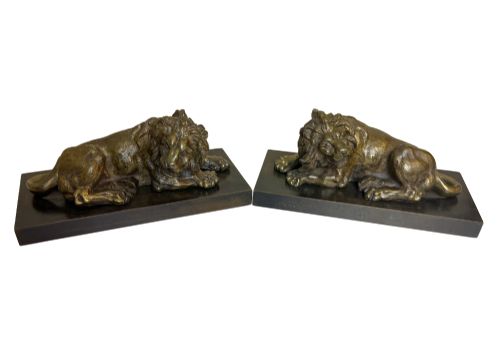
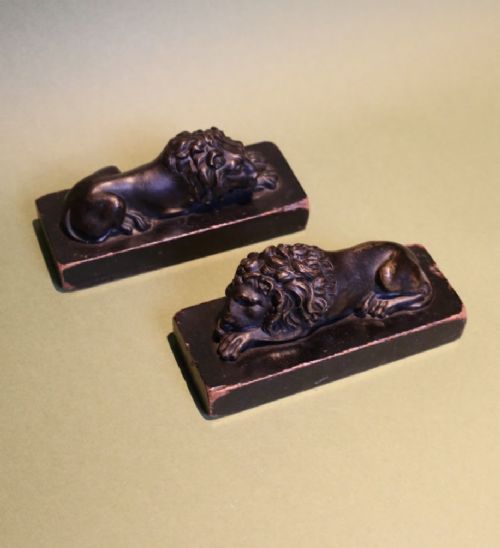
Common configurations include pairs of resting or prowling lions, winged lions of Saint Mark, and seated beasts atop plinths or seals. Materials vary from cast bronze and patinated metal to carved jade and soapstone.
Materials and construction
Metal pieces rely heavily on casting techniques, particularly bronze, pewter, and patinated metal. Bronze studies often feature detailed chasing and are mounted on contrasting marble or onyx bases.
Carved pieces utilise hardstones and organic materials such as jade and soapstone. These are shaped into desk seals and figures, displaying intricate hand-carved details on plinths or chunky seals.
The inventory records desk accessories in Neoclassical, Animalier, Baroque, and Traditional Chinese styles, encompassing seals, inkwells, and paperweights.
Factors determining quality
The precision of the casting and the crispness of the detail define metal sculptures. Finely cast bronze pieces exhibit distinct muscle definition, fur texture, and clean patination, whereas lesser examples lose definition in the secondary chasing.
In carved stones like jade and soapstone, quality rests on the depth of the carving and the homogeneity of the material. Heavy, well-proportioned plinths and secure mountings to marble or onyx bases further distinguish superior desk accessories.
Louis Riche·Al Barye·Barbedienne
The Desk Lion Ornaments Glossary
- Grand Tour
- A cultural trip of Europe undertaken by wealthy young men in the 18th and 19th centuries. Souvenirs collected included bronze reductions of classical monuments and sculptures like the Medici lions.
- Animalier
- A 19th-century art movement focusing on the realistic portrayal of animals. Sculptors in this tradition captured beasts in dynamic or resting poses with anatomical accuracy.
- Medici Lion
- One of a pair of marble lion sculptures, one original Roman and the second a 16th-century pendant by Flaminio Vacca. They guarded the Villa Medici in Rome and inspired numerous later bronze copies.
- Shi Shi
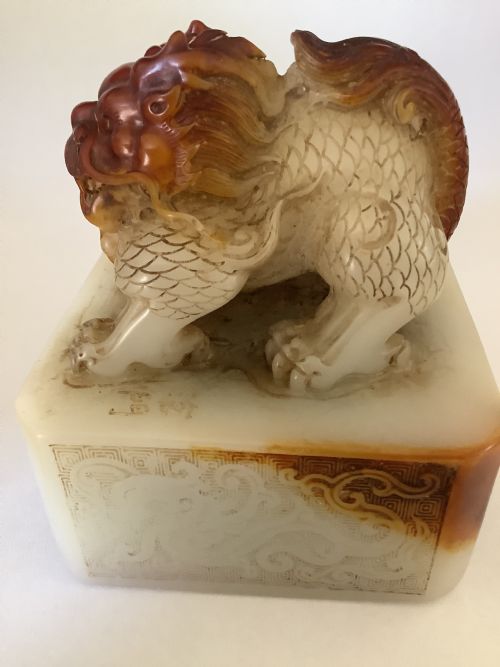
- A traditional Chinese guardian lion, also known as a Foo dog. These mythical beasts frequently appear carved from soapstone or jade on the handles of desk seals.
- Patination
- The surface coloration and ageing acquired by metal over time or through chemical treatment. A good patinated metal finish enhances the depth and texture of the sculpture.
Desk Lion Ornaments: Frequently Asked Questions
How were these lion pieces used?
They served functional and decorative roles on writing desks as paperweights, inkwells, desk seals, and standalone sculptures. Owners utilised them to anchor papers or as symbols of strength and authority.
Larger figures functioned primarily as decorative desk sculptures, whereas smaller items combined art with utility, such as seals used for stamping wax on correspondence.
How do I identify a Grand Tour lion?
Grand Tour lion figures are typically cast in bronze and frequently modelled on famous classical prototypes like the Canova lions or the Medici lions in Rome. They often date from the 19th century and are mounted on heavy stone plinths.
These pieces were brought back by travellers touring European cultural centres, reflecting a distinct interest in classical antiquity during the Victorian era.
Are Chinese lion desk seals common?
Chinese desk seals depicting Shi Shi or dogs of fo appear frequently among 19th-century desk accessories. They are usually hand-carved from materials like soapstone or jade with chunky seal bases.
These items combine traditional Chinese stonemasonry with practical desk utility, often featuring detailed carving on both the beast and the seal face.