


Demetre Chiparus Bronze
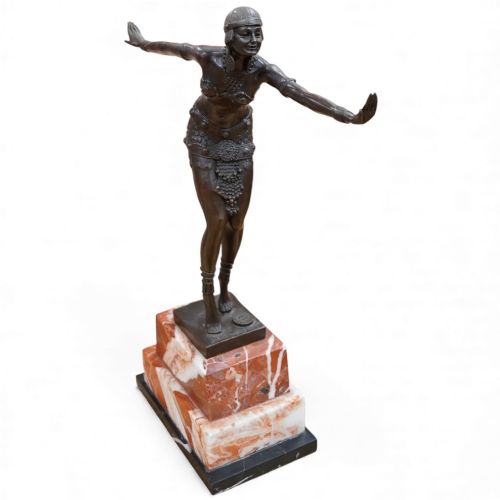
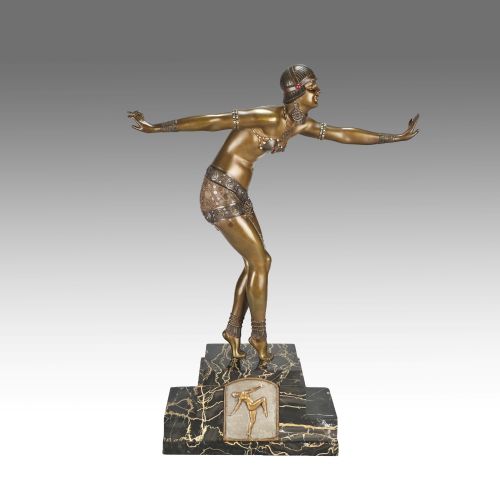
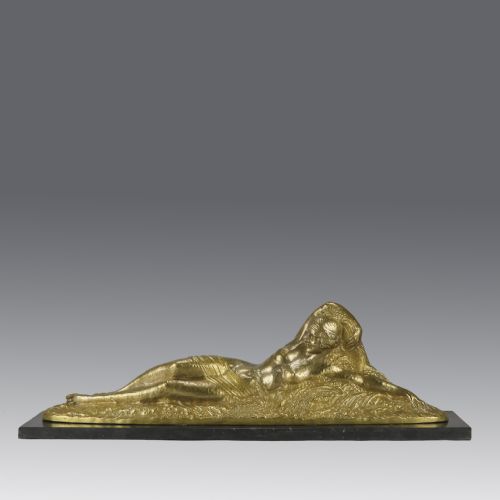
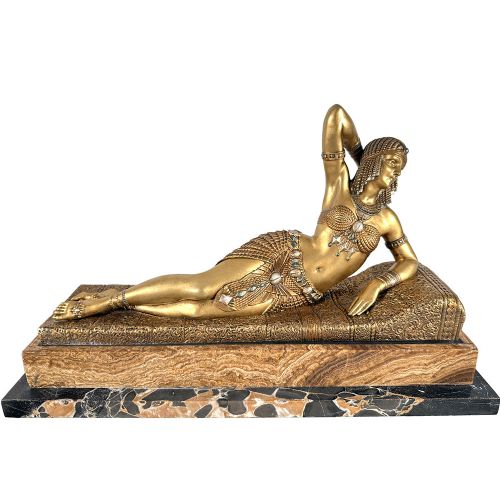
These demetre chiparus bronze figures capture the height of Art Deco movement and theatrical glamour.
Demetre Chiparus Bronze
When you search for demetre chiparus bronze, you encounter distinctive Art Deco sculptures representing dancers and elegant female figures from the early twentieth century. The examples on this page date from the nineteen twenties and nineteen thirties, capturing the theatrical energy and fashion of the interwar period.
You are most likely to meet patinated, gilded, or cold-painted bronze figures mounted upon contrasting bases of marble or onyx. The subjects range from named dancers such as the Phoenician Dancer and Starfish Dancer to allegorical titles like Awakening and elegant portraits.
The offerings also include chryselephantine pieces combining bronze with carved ivory, alongside later or alternative castings in spelter. Each sculpture reflects the distinctive modernist aesthetic and fluid motion associated with the sculptor's Paris workshop output.
Materials and casting techniques
The construction of these pieces relies on metal casting combined with decorative surface finishes such as cold-painting, gilding, and silvering. Artisans applied these metallic treatments to highlight the intricate costumes and flowing garments characteristic of the period.
The recorded periods span the nineteen twenties and nineteen thirties, capturing the definitive timeframe of European Art Deco sculpture production.
Distinctions in quality and execution
The division between standard works and exceptional examples lies in the crispness of the casting and the preservation of surface details such as cold-painted pigments or gilding. Superior pieces exhibit precise facial expressions, finely rendered fingers, and sharp costume ornamentation without softness in the metalwork.
The choice and preparation of the mounting base also indicate grade, with dense, unblemished marble or onyx plinths elevating the overall presentation. Furthermore, the fidelity of the signature and the harmonious integration of mixed materials demonstrate the care taken during production.
Demetre Chiparus·D.H. Chiparus·H. Chiparus
The Demetre Chiparus Bronze Glossary
- Chryselephantine
- A term describing sculptures made from a combination of bronze and ivory. This technique was widely utilised during the Art Deco era to render lifelike skin tones alongside metallic garments.
- Cold-painted bronze
- Metalwork decorated with oil-based paint applied after casting and without subsequent firing. This finish requires careful preservation to prevent flaking over the decades.
- Patinated bronze
- Metal treated with chemical solutions to produce a darkened or coloured surface finish. It protects the underlying alloy while enhancing the sculptural contours.
- Spelter
- A zinc-based alloy frequently utilised as a cost-effective alternative to bronze in period decorative metalwork. It tends to be lighter and possesses a different metallic grain than true bronze.
- Art Deco
- The dominant design style of the nineteen twenties and nineteen thirties characterised by streamlined forms and modernist luxury. It draws influence from ancient Egyptian art, Russian ballet, and mechanized progress.
Demetre Chiparus Bronze: Frequently Asked Questions
What materials make up a demetre chiparus bronze sculpture?
The primary materials include cast bronze, gilded bronze, cold-painted bronze, and silvered bronze, frequently paired with carved ivory elements. Many figures also incorporate spelter as an alternative metal.
These mixed-media sculptures stand upon heavy bases fashioned from natural marble or onyx, providing a solid foundation for the dynamic figures.
How can I distinguish period pieces from later examples?
Period works originate from the nineteen twenties and nineteen thirties, reflecting the authentic design ethos and manufacturing methods of the Art Deco movement. Evidence of age appears in the natural patina of the bronze and the proper integration of the materials.
Signatures on the base or figure and the quality of the cold-painting or carving help corroborate the period of manufacture.
Where should I place these figures in a room?
Because these sculptures feature detailed mixed-media construction, they require stable display surfaces away from direct sunlight and excessive humidity. Placing them on sturdy tables or within cabinets protects the delicate ivory and painted surfaces.
Adequate lighting helps highlight the contrasting textures of the bronze, marble, and carved details from multiple angles.
What themes do these sculptures represent?
The predominant themes celebrate dance, theatrical performance, and modern fashion of the interwar years. Subjects frequently depict Egyptian dancers, mythological figures, and graceful female portraits in motion.
Titles like Starfish Dancer and Phoenician Dancer reflect the era's fascination with exotic performance arts and international ballet troupes.