

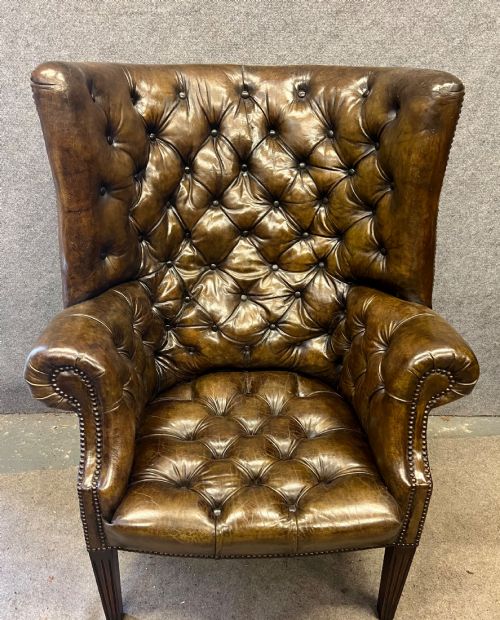
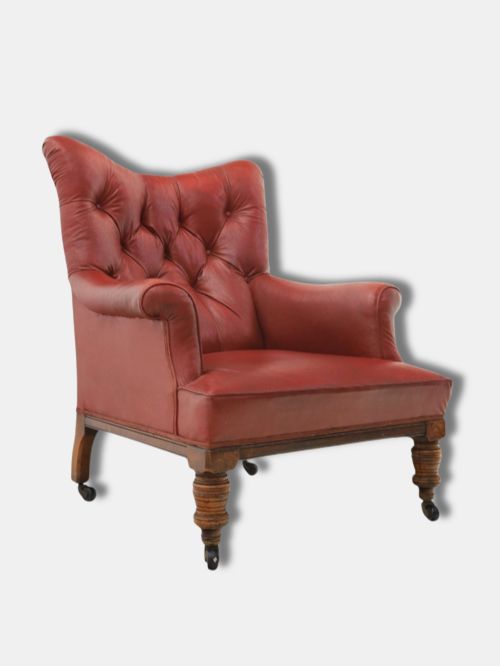
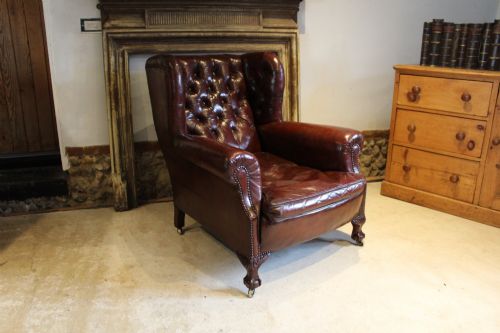
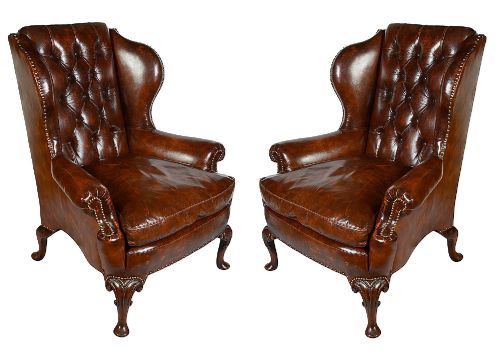
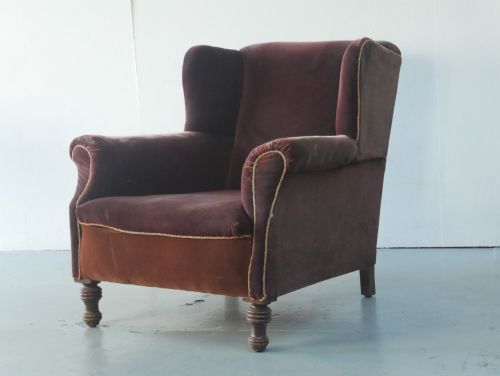
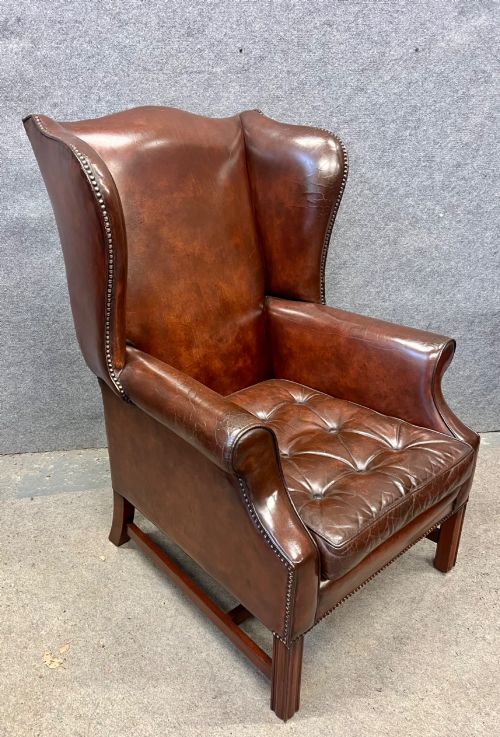
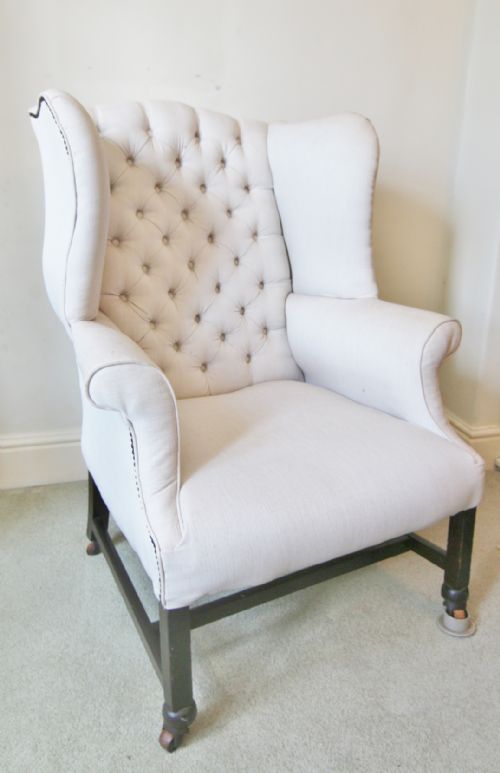
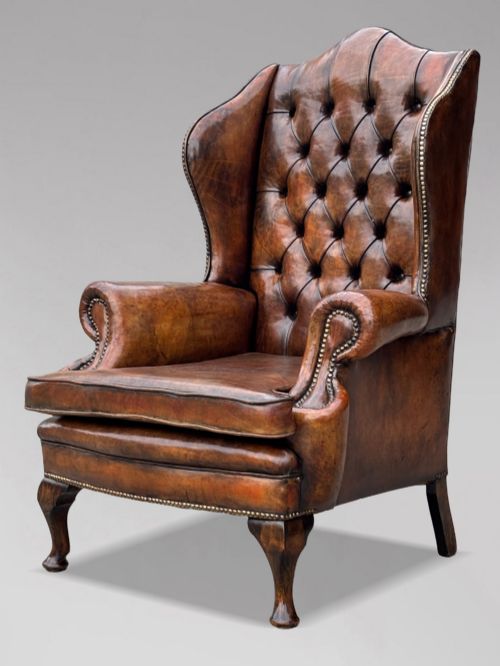


Deep Wingback Chair
A deep wingback chair is a substantial seat designed to shield the sitter from draughts, offering comfort and presence in equal measure.
Deep Wingback Chair
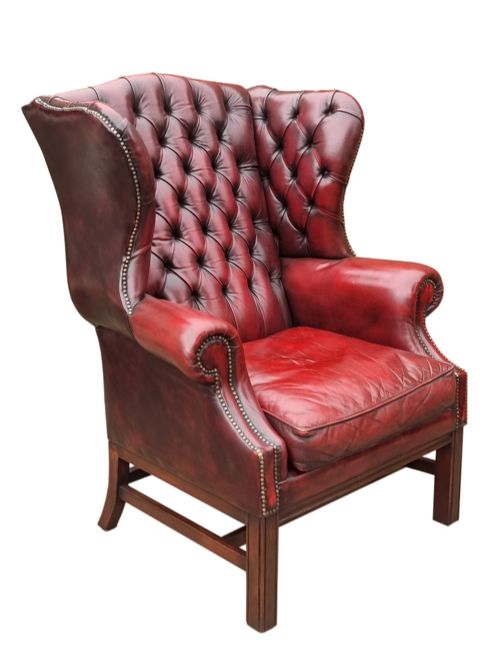
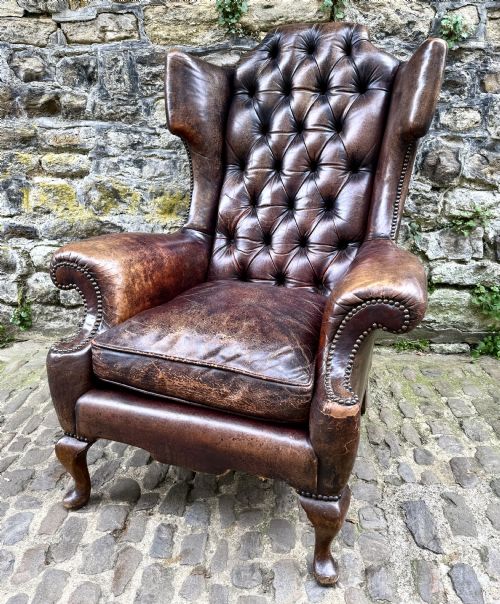
When you search for a deep wingback chair, you encounter a lineage of large armchairs spanning the 18th century through to the 1930s. These pieces include authentic Georgian and Victorian examples alongside later revivals, all sharing generous proportions designed for comfort.
The most common iterations on this page date from the Edwardian era and the 1920s, often executed in the style of earlier Georges. They take the form of high-backed armchairs with characteristic winged sides and deep seats.
Origins range from formal English country house settings to library interiors. They appear frequently as individual reading seats or matched pairs.
How they were made
Construction relies upon solid timber frames of mahogany or other woods, supporting upholstered bodies filled with materials such as feathers. The frames provide the architectural backbone for the deep seating well.
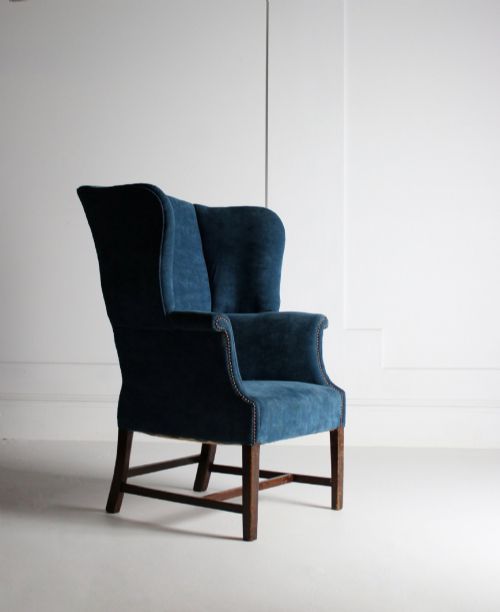
Surface finishes display extensive use of leather, alongside fabric, cotton, and velvet upholstery. Brass details frequently appear in the form of nail-head trim securing the leather hides to the wooden frameworks.
Deep Wingback Chair Retail Price Guide 2026
Typical asking prices for deep wingback chair among the pieces listed under this phrase on Sellingantiques today, from the lower quarter to the upper quarter. They describe what is for sale here now, not the wider market.
Some chairs incorporate carved lions into their frames, bringing a touch of botanical or zoological majesty straight to the fireside.
What varies in quality
Quality rests in the integrity of the timber frame and the depth of the carving on components such as mahogany legs and lion details. Earlier pieces demonstrate finer hand-carving and more substantial proportions.
The character of the leather surface alters the distinction between pieces, with hand-dyed finishes and buttoned upholstery showing different levels of craftsmanship. The handling of the wings and the spring of the deep seat dictate the comfort and visual balance.
The Deep Wingback Chair Glossary
- Wingback
- An armchair featuring side panels attached to the arms and framing the back to retain heat and block draughts. This form evolved in the 17th century and remained popular through the Georgian and Victorian periods.
- Buttoned
- An upholstery technique where depressions are created by pulling twine or thread through the padding and securing it with buttons. This creates a diamond pattern across the leather or fabric back.
- Chesterfield
- A style of upholstered seating traditionally characterised by deep buttoning and arms matching the height of the back. It appears frequently in combination with wingback forms.
- Porters armchair
- A fully enclosed hooded seat designed to keep out drafts in cold hallways or near front doors. These pieces utilise deep upholstery and tall backs to protect the sitter.
Deep Wingback Chair: Frequently Asked Questions
What is a deep wingback chair?
A deep wingback chair is a large armchair featuring high sides designed to deflect drafts around the head and shoulders. These pieces provide substantial seating with deep proportions.
They appear across various periods from the 18th century to the 1930s, often upholstered in leather or fabric.
How were wing chairs used?
These chairs were traditionally placed near firesides or in draughty hallways to keep occupants warm. The wings trapped heat from the fire while blocking cold air currents.
Over time, they moved into libraries and drawing rooms as comfortable reading seats.
How do I style a wing chair?
A wing chair functions well as a standalone reading seat in a study or living room. Their scale allows them to anchor a corner or sit comfortably beside a fireplace.
Pairs can be arranged opposite a sofa or fireplace to create a balanced seating area in large rooms.
How do I tell periods apart?
Georgian examples show lighter proportions with mahogany frames and subtle carving. Victorian and later revival pieces tend to be heavier, often featuring prominent buttoning and carved details.
Edwardian and 1920s versions often emulate earlier Georgian styles while utilising softer leather finishes.