



Deep Seated Sofa
A deep seated antique sofa offers generous proportions and traditional upholstery, combining comfort with period character for a sitting room.
Deep Seated Sofa
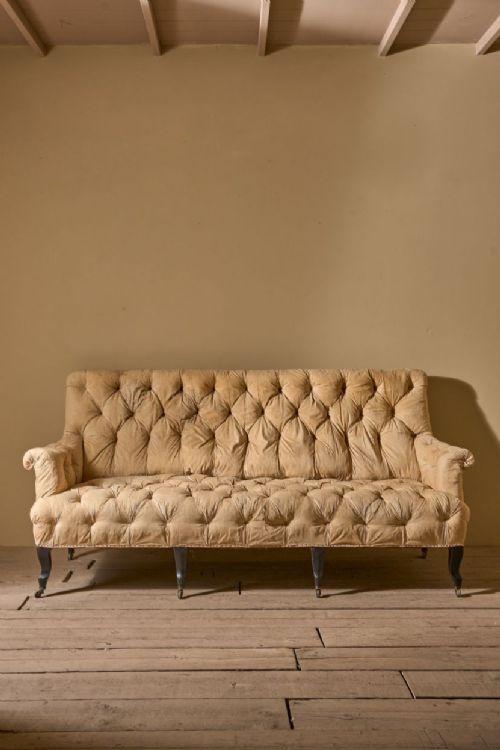
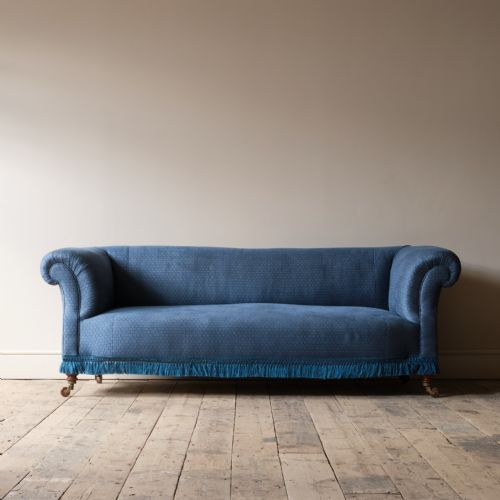
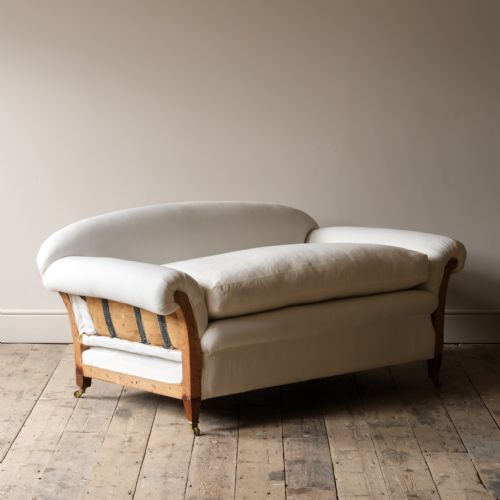
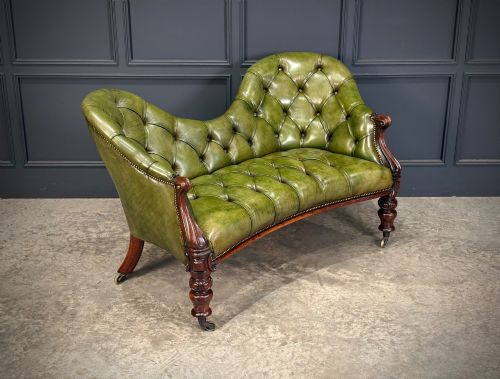
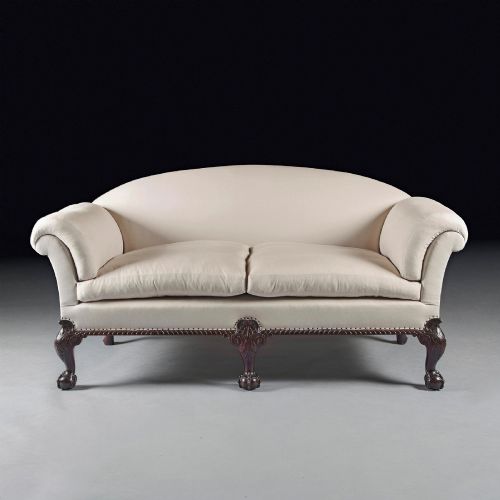
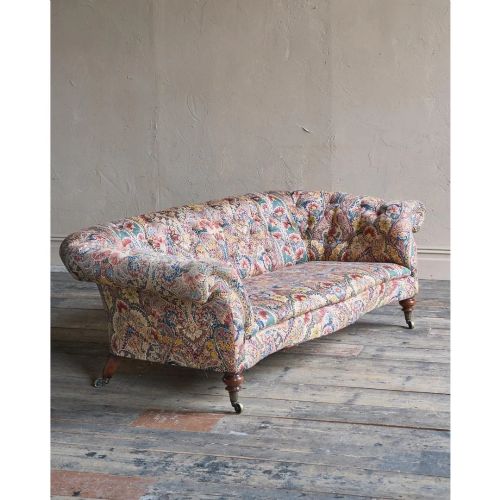
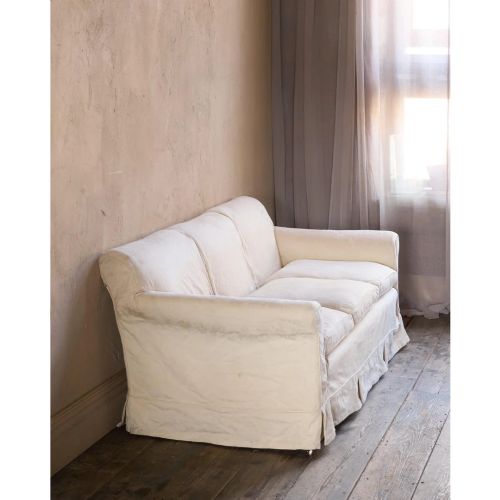
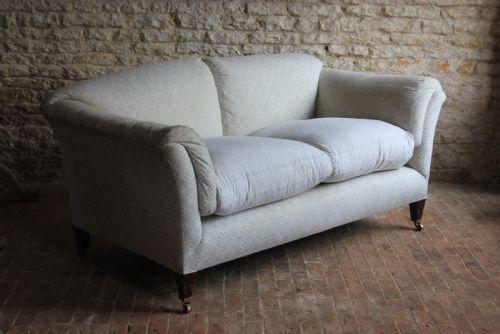
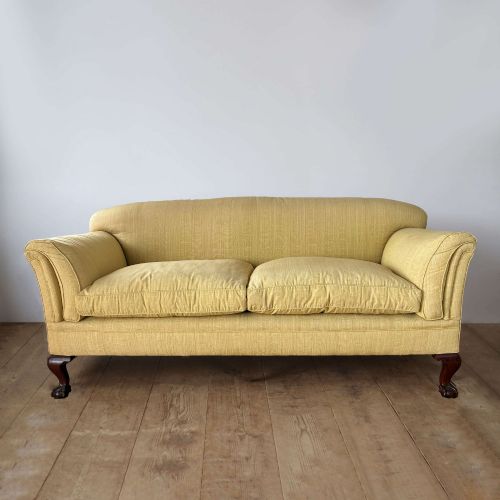
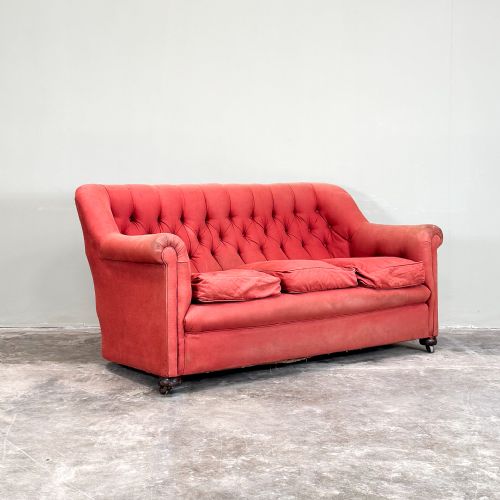
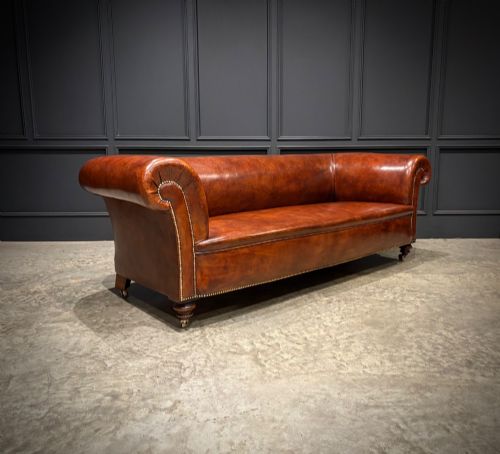
A deep seated antique sofa provides extended depth for lounging, appearing frequently in Victorian, Edwardian, and country house styles. These pieces range from classic leather Chesterfields and buttoned double spoon-back designs to low-slung club settees designed for relaxation.
Makers and workshops from the nineteenth and early twentieth centuries shaped these forms using mahogany, walnut, and rosewood for the framing. Buyers often encounter pieces upholstered in rich velvet, leather, or printed linen fabric, reflecting English domestic comfort across generations.
Factors that distinguish quality
The integrity of the internal stuffing and the responsiveness of the deep springing separate fine examples from standard seating. Original ticking upholstery or untouched leather surfaces preserve the integrity of the piece better than unsympathetic modern re-coverings.
The delicacy and carving of exposed wood framing, whether in rosewood or mahogany, indicate the workshop standards of the maker. Proportions that balance deep comfort with structural grace define the finest examples.
Listings feature pieces spanning the 19th Century, Victorian period, Edwardian era, and the 1930s.
Howard and Sons·Gillows·Hampton and Sons·Whytock and Reid
The Deep Seated Sofa Glossary
- Chesterfield
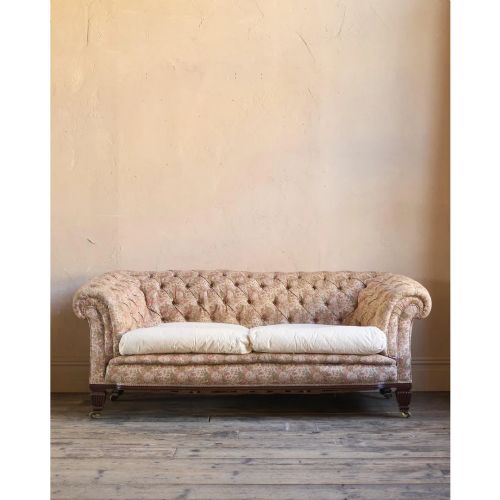
- A traditional upholstered sofa characterised by rolled arms and a back of the same height, often featuring deep buttoning. This form remains a staple of English seating design.
- Buttoning
- A method of securing upholstery stuffing by pulling twine through the fabric to form a grid of recessed tufts. It provides both structural tension and a decorative surface texture.
- Calico
- A plain-woven cotton fabric used historically as an interior lining beneath top-grade upholstery fabrics. It provides a stable base layer for traditional stuffing.
Deep Seated Sofa: Frequently Asked Questions
How do I care for leather upholstery?
Leather upholstery on a period sofa benefits from regular dusting and occasional treatment with appropriate conditioning balms. Avoiding direct sunlight prevents the hide from drying out.
Retaining natural oils preserves the vintage patina and flexibility of nineteenth-century leather without altering its historic character.
Are these sofas suitable for daily use?
These sofas are built with solid timber frames and traditional coil springs designed for sustained domestic living. Many retain structural resilience from original manufacturing methods.
Placing them in a drawing room or study provides functional seating that accommodates contemporary comfort standards while retaining period style.
How can I identify a Victorian Chesterfield?
A Victorian Chesterfield typically presents deep buttoned upholstery, low turned wooden feet, and scrolled arms matching the height of the back. Many utilise horsehair stuffing.
Examining the underside often reveals traditional webbing and hessian canvas that indicate nineteenth-century framing techniques.