



Deep Seat Settee
A deep seat settee offers generous proportions for daily lounging, combining period character with deep upholstery.
Deep Seat Settee
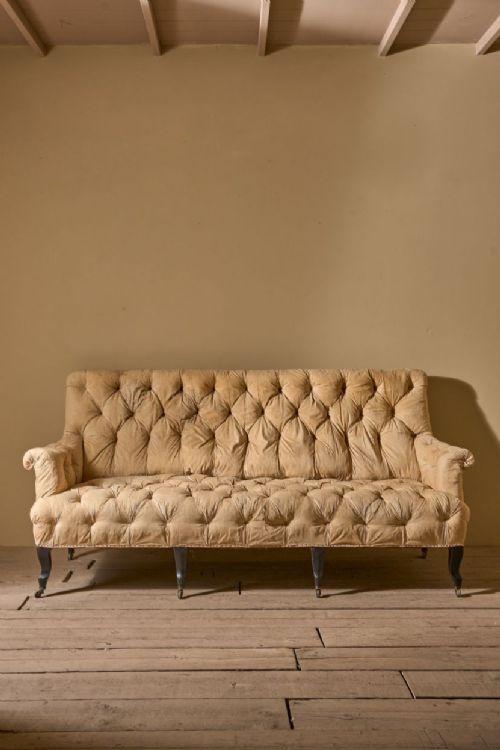
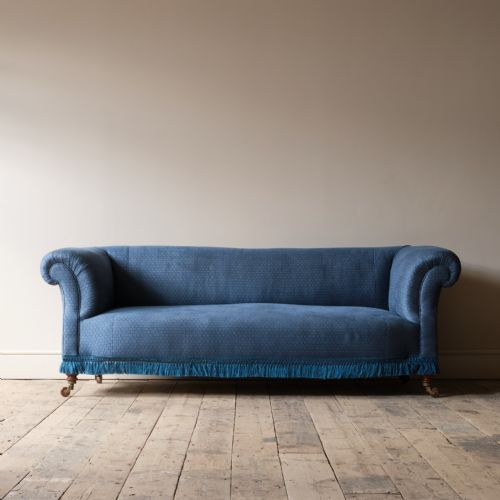
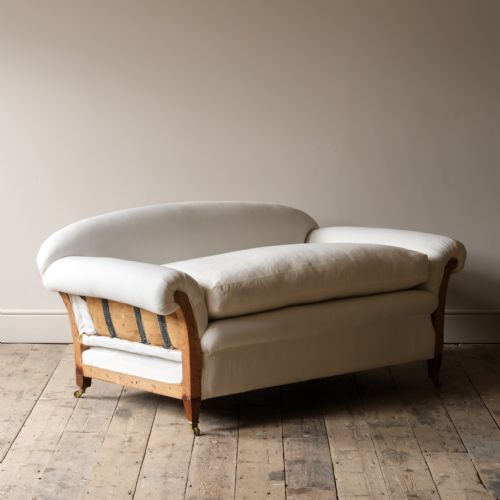
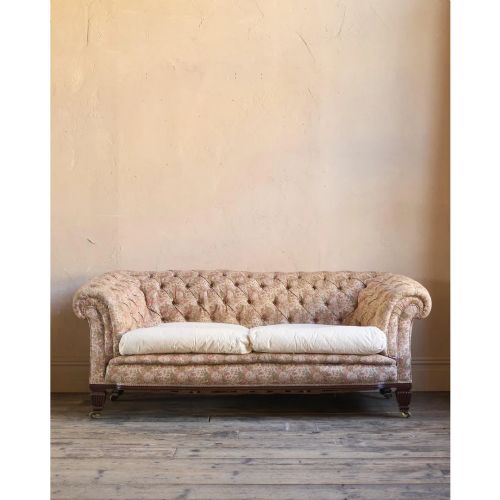
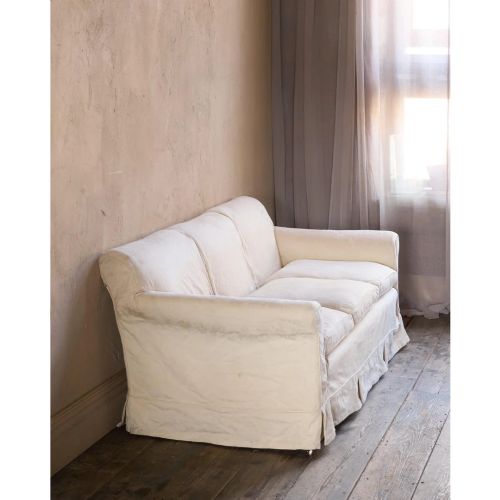
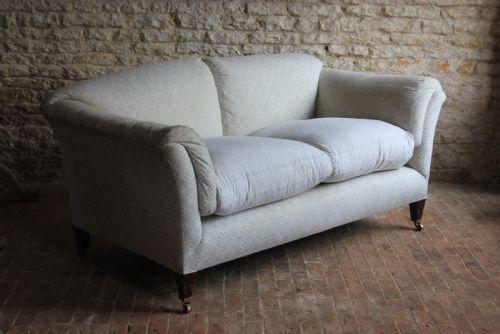
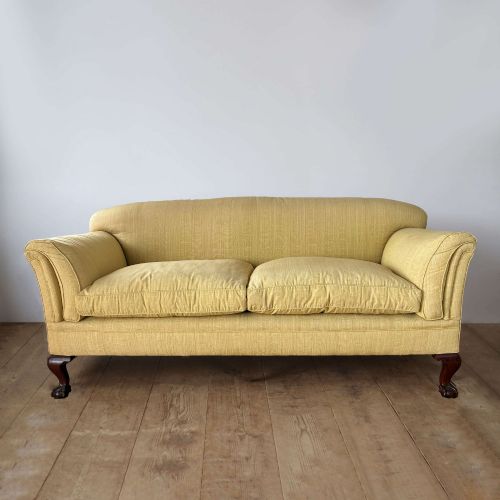
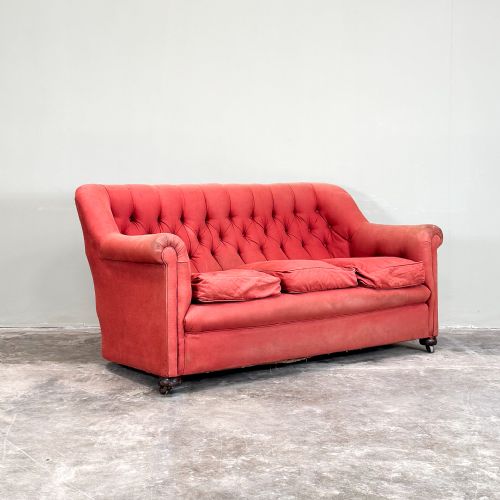
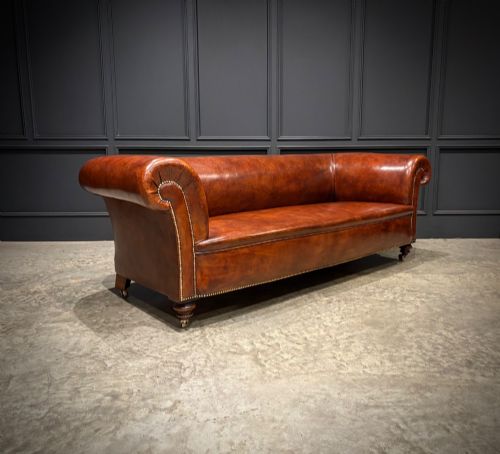
When you search for a deep seat settee, you are looking at substantial upholstered seating designed for comfort, spanning the Victorian and Edwardian eras into the 1930s. These pieces include button-backed Chesterfields, country house sofas, and low conversational settees built for relaxed rooms.
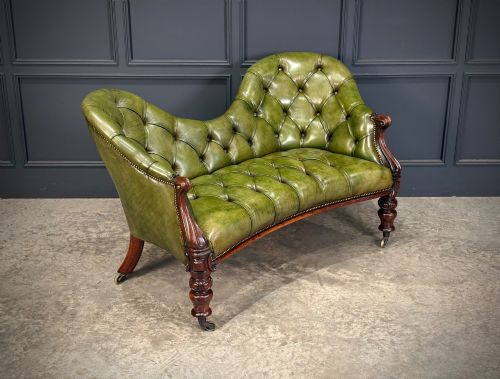
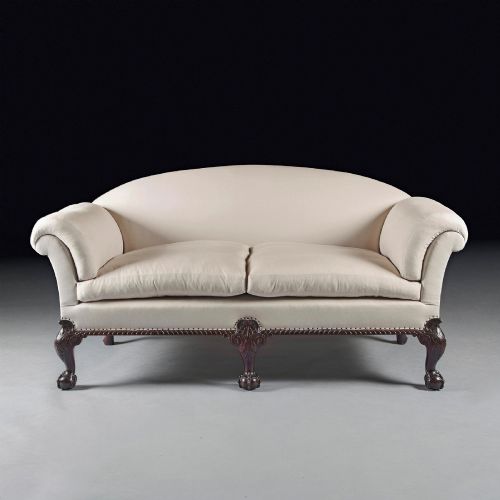
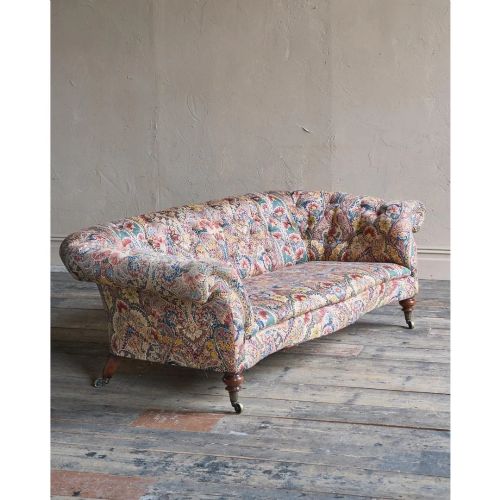
You will most frequently find nineteenth-century examples and early twentieth-century country house pieces upholstered in leather, velvet, or floral fabric. Frames range from simple timber structures to mahogany and rosewood supports resting on ball and claw feet or castors.
Materials and Construction
Makers built the structural frames of these settees using sturdy timbers such as mahogany, walnut, and general hardwoods. Exposed woodwork often featured carved details, particularly on Victorian Rococo Revival and rosewood framed examples.
Upholstery techniques relied on deep buttoning, springing, and heavy stuffing finished in leather, velvet, calico, or heavy fabric. Details like brass castors and ball and claw feet finished the bases of fine nineteenth-century and Edwardian pieces.
Some nineteenth-century conversation sofas allowed two people to sit facing opposite directions while maintaining polite proximity.
Assessing Quality
Quality rests in the integrity of the underlying timber frame and the retention of original upholstery methods like traditional buttoning and ticking. Pieces retaining un-restored original leather or early fabric demonstrate higher authenticity.
Refinement of proportion and the presence of maker signatures or specific regional workshop traits elevate certain Chesterfields and country house sofas above standard production models.
Howard and Sons·Gillows·Hampton and Sons
The Deep Seat Settee Glossary
- Chesterfield
- A traditional upholstered sofa characterised by arms and back of the same height, frequently featuring deep button tufting. This style remains a cornerstone of nineteenth-century seating.
- Button-back
- An upholstery method where depressions are formed in the padding using twine pulled tight and secured with buttons. This creates a diamond pattern across the leather or fabric.
- Country house style
- An aesthetic reflecting comfortable, layered English domestic interiors. Sofas from this tradition prioritize deep seating and relaxed upholstery over formal stiffness.
- Ball and claw
- A furniture foot carved to resemble a bird's talon gripping a ball. This detail appears frequently on fine nineteenth-century and Edwardian frames.
- Ticking
- A tightly woven heavy cotton or linen fabric used traditionally as a durable lining or cover for upholstery stuffing.
Deep Seat Settee: Frequently Asked Questions
What is a deep seat settee?
A deep seat settee is an antique upholstered sofa or bench featuring extended seat depth designed for lounging. These pieces range from Victorian leather Chesterfields to early twentieth-century country house sofas.
They combine robust timber frames with generous padding, offering a relaxed alternative to upright period seating.
How do I date a settee?
Dating relies on examining the frame style, wood types, and upholstery techniques present in the piece. Victorian examples often show rosewood or mahogany frames with buttoning, while Edwardian and 1930s pieces lean towards deep country house comfort.
Comparing turn-of-the-century construction methods and foot styles helps narrow the manufacturing period.
Are these settees comfortable for daily use?
These settees were built with generous proportions and sprung seats specifically to provide deep comfort. Their traditional stuffing and sturdy frames suit contemporary lounging.
Many retain original padding or have been sympathetically restored to maintain their supportive seating qualities.
What fabrics are typical on these pieces?
Original upholstery frequently includes buttoned leather, heavy velvet, calico, and traditional floral cottons. Many country house pieces utilise sturdy ticking undercovers or heritage patterned textiles.
Leather surfaces often show natural patina acquired over a century or more of domestic use.