
Decorative Wooden Carving
A decorative wooden carving brings warmth and detailed texture to a room, ranging from architectural salvage to small panels.
Decorative Wooden Carving
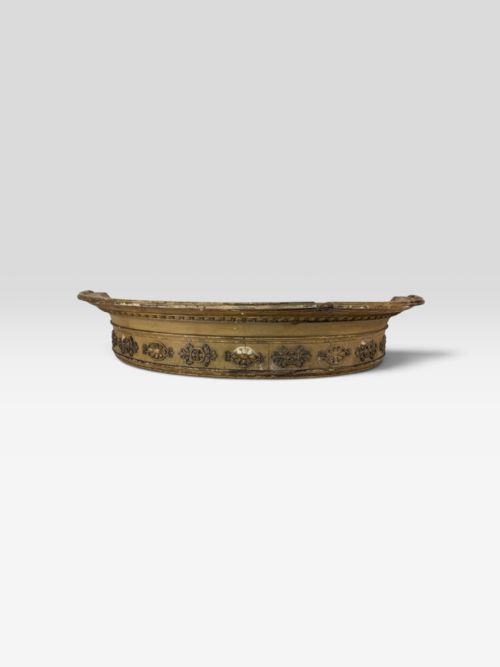
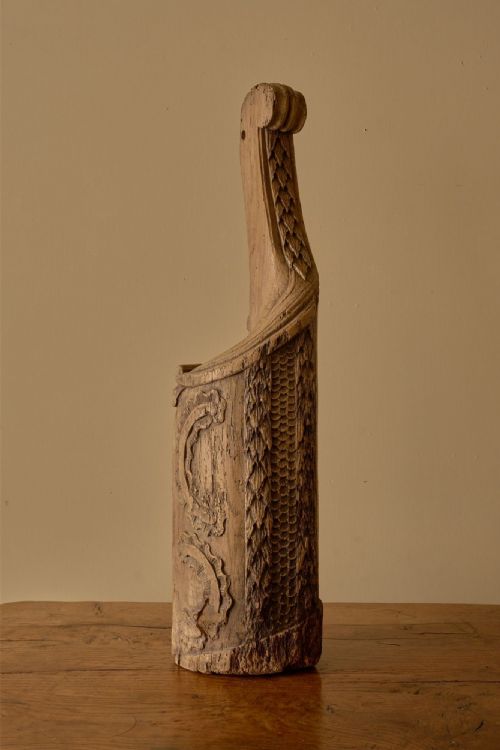
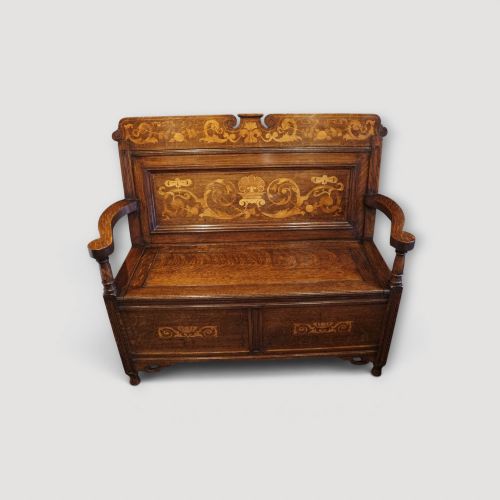
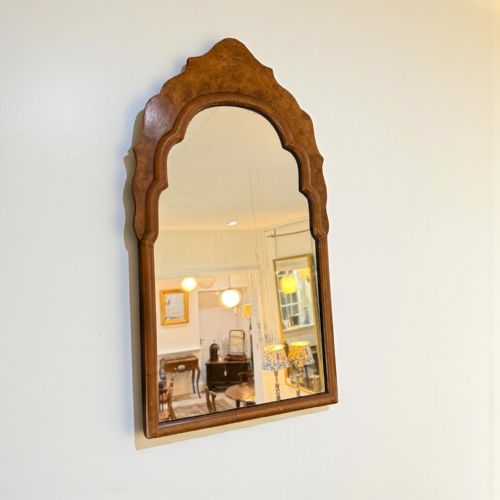
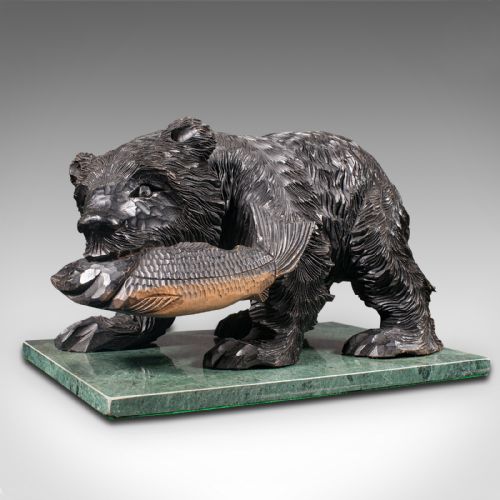
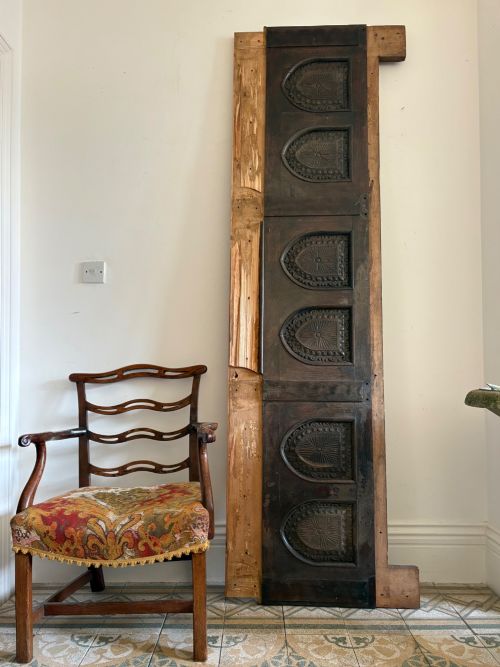
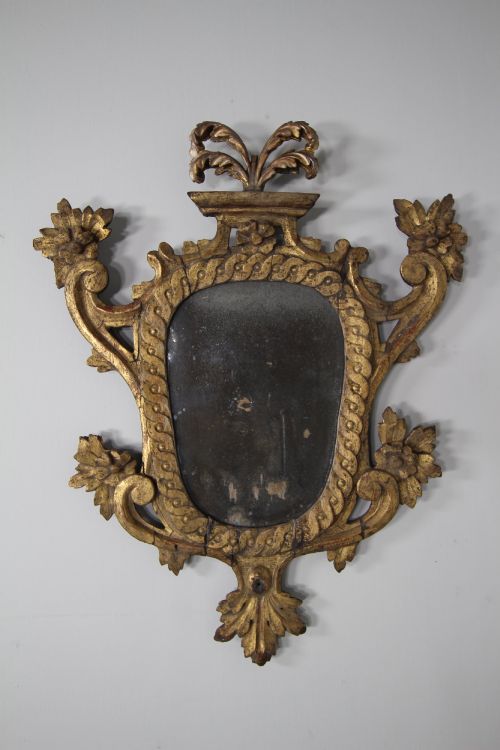
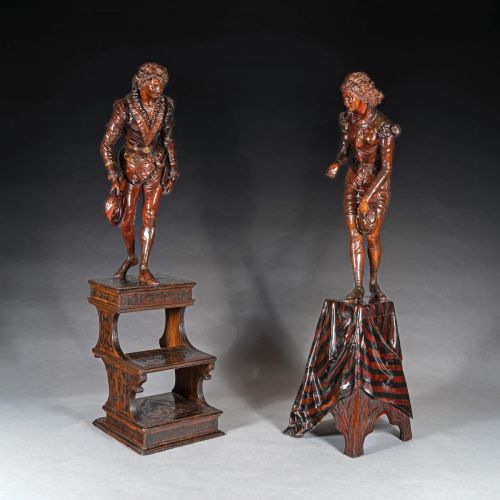
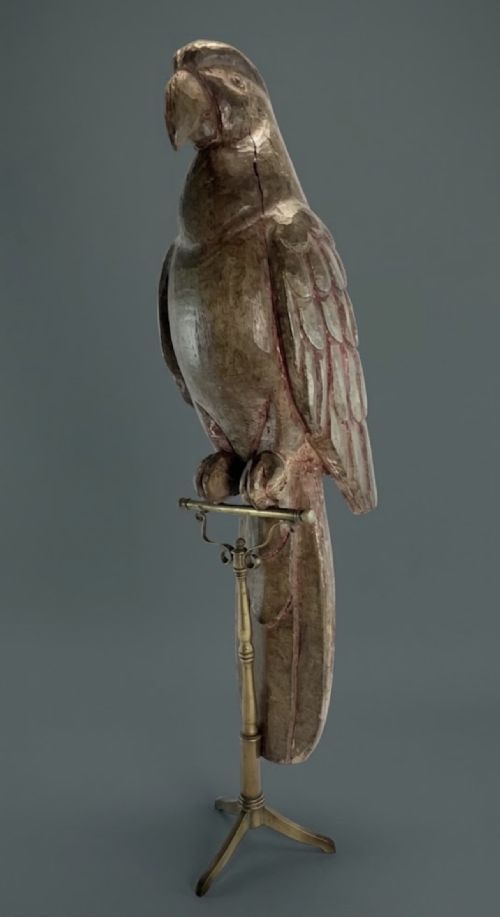
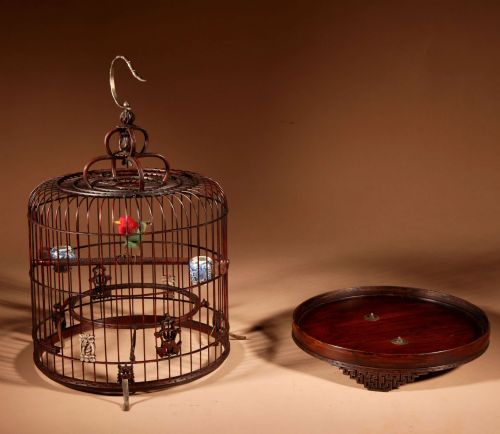
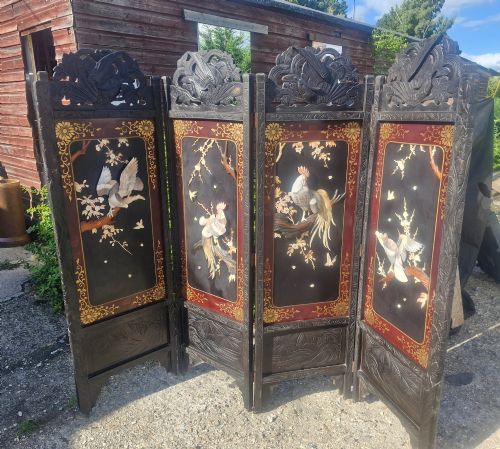
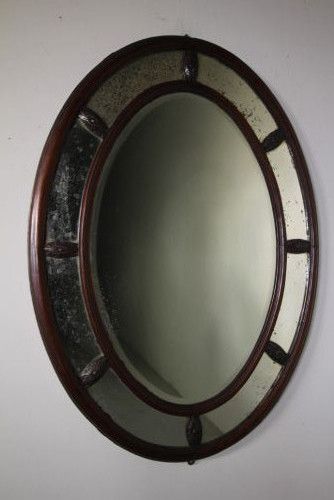
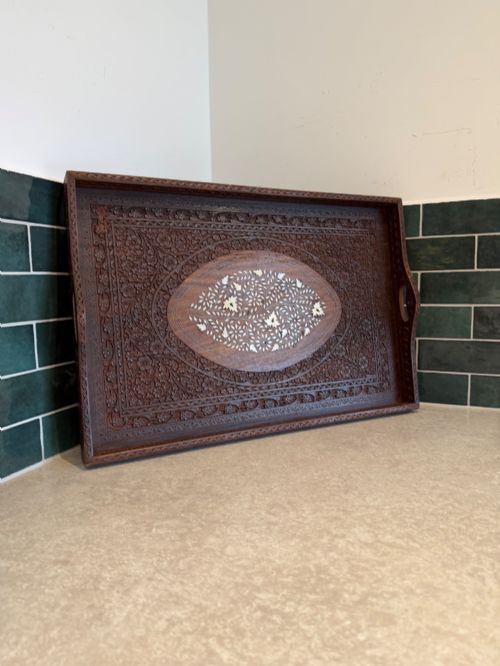
A decorative wooden carving spans a diverse array of functional and sculptural objects shaped from timber across multiple centuries. When exploring this category, you encounter everything from architectural elements and wall mirrors to small display brackets, folding screens, and serving trays.
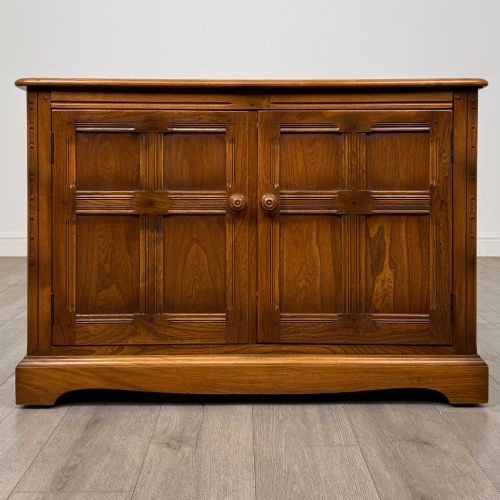
The pieces originating from this tradition draw upon various historical periods, including the Victorian era, the eighteenth century, and the early twentieth century. Common forms incorporate regional expressions such as Anglo-Indian woodwork, French mirrors, and English oak panels.
The selection reflects both utilitarian items adapted for display and pure sculptures, often utilising specific regional timbers like teak, mahogany, walnut, and oak. Buyers frequently select these works to anchor a period interior or introduce hand-wrought depth to plain modern walls.
Materials and construction methods
Craftsmen utilised a variety of native and exotic hardwoods, predominantly oak, mahogany, walnut, and teak, shaping them with hand chisels and gouges to achieve deep relief. Many items integrate applied elements such as bone figures, mother of pearl inlay, or gesso and gilding over the timber base.
Surface treatments range from natural wax polishes on dense hardwoods to original paint and ebonised finishes on pine and beech. Architectural fragments and panels often show the tool marks of their period, while mirrors and trays combine carved frames with glass plates or brass hardware.
Distinctions in craftsmanship
The standard of a decorative wooden carving depends on the depth and crispness of the hand-chiseled detail, where sharp undercut foliage or expressive figures indicate superior skill. Smoother, shallower moulding often points to later mechanical production rather than careful hand execution.
Material selection also dictates the hierarchy, with dense, stable timbers like old-growth oak and figured mahogany retaining sharper edges over centuries. Original surface patination and intact structural joinery distinguish well-preserved examples from heavily restored or assembled components.
The Decorative Wooden Carving Glossary
- Solomonic
- A helical twist column shape resembling a spiral, frequently found in seventeenth and eighteenth-century furniture supports and pedestals.
- Linenfold
- A style of wood carving used to panel surfaces, mimicking vertical folds of parchment or folded linen cloth.
- Torchere
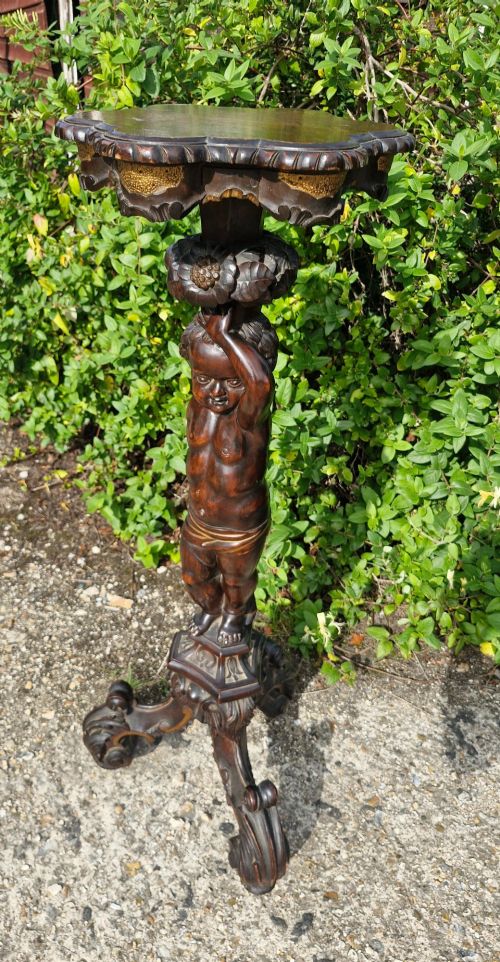
- A tall ornamental stand or pillar designed to support a candelabrum, lamp, or decorative object.
- Overmantle
- A large mirror or panel specifically scaled to hang on the wall directly above a fireplace mantel.
- Gesso
- A plaster-like mixture applied to wood surfaces as a smooth base for subsequent gilding or painting.
Decorative Wooden Carving: Frequently Asked Questions
How do I clean an antique wood carving?
Dust gently with a soft, dry brush to remove particles from deep recesses without disturbing the patina. Avoid liquid cleaners and modern polishes that build up residue on porous timber.
Maintain a stable room humidity to prevent the wood from drying out and splitting over time. Natural beeswax applied sparingly helps preserve dry surfaces.
Where should I place a carved wood panel?
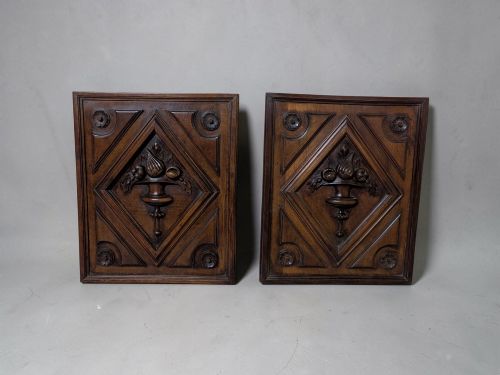
Mount panels on flat interior walls away from direct sunlight and heat sources to protect the grain. Architectural fragments look best when given adequate wall space to display their depth.
Ensure proper wall fixings support heavier hardwood items like mirrors or architectural salvage safely. Pair them with neutral backgrounds so the carved details stand out clearly.
What is the difference between oak and mahogany carvings?
Oak carvings typically feature a prominent, open grain and were favored in earlier centuries for robust architectural elements and panels. Mahogany provides a denser, finer grain that allows for sharper, more intricate details in later furniture and frames.
Both timbers age differently, with oak developing a deeper brown tone and mahogany often acquiring a rich reddish lustre. Matching the timber type helps maintain period harmony within a room.
How can I tell the age of a carved wooden object?
Examine the back and joints for hand-cut marks, traditional fixings, and timber shrinkage patterns consistent with older manufacturing methods. Tool marks left by hand chisels differ significantly from modern machine routing.
Compare the style of the carving and the type of wood finish against documented historical periods. Patina and wear patterns accumulated through use also offer reliable clues to antiquity.