



Decorative Wooden Brackets
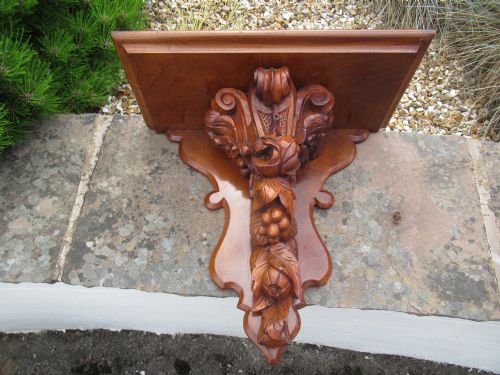
These decorative wooden brackets are architectural ornaments and functional ledges shaped by centuries of carving traditions.
Decorative Wooden Brackets
Decorative wooden brackets encompass a variety of carved supports, wall shelves, and corbels originating from periods spanning the eighteenth century through to the twentieth century. When exploring decorative wooden brackets on this page, buyers frequently encounter Victorian examples alongside Italian Baroque and Rococo revival styles.
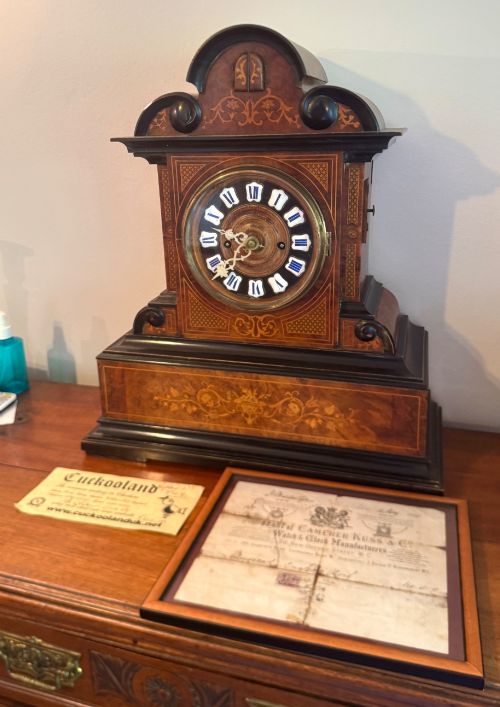
Forms range from simple architectural salvage and single display ledges to elaborate pairs of cherub wall brackets and giltwood shelves. Many pieces double as functional supports for clocks or mirrors while serving primarily as ornamental wall furniture.
Materials and construction methods
Carpenters and carvers shaped these pieces from timbers such as walnut, mahogany, oak, pine, and hardwood, frequently applying giltwood, gesso, or polychrome finishes. Hand carving remains central to the creation of these supports, often combined with marquetry and inlay work.
Surface decoration frequently includes applied metallic leaf, silver gilding, and ebonising to enrich the appearance of the timber structure. Construction techniques rely on traditional joinery suitable for weight-bearing architectural elements and wall-mounted display furniture.
Judging quality in carved woodwork
The distinction between ordinary and superior examples rests upon the crispness, depth, and fluidity of the hand carving. Pieces executed with confident undercut detail and precise relief work demonstrate a higher order of craftsmanship than mechanical or shallow shaping.
Material selection and the preservation of original gilding or polychrome surfaces also govern the standing of an item. Greater harmony between the timber ground and decorative embellishment marks the more accomplished workshop production.
John Leroux, London·Christie of Perth
The Decorative Wooden Brackets Glossary
- Corbel
- A structural bracket projecting from a wall to support a weight above it. These wooden examples often double as purely decorative ornaments.
- Giltwood
- Wood that has been coated with gold leaf or a gold-coloured substance. This finish appears frequently on Italian and Victorian revival pieces.
- Marquetry
- Decorative veneer applied to woodwork in geometrical patterns or pictures. It adds distinct visual texture to wooden clock cases and shelves.
- Polychrome
- Painted or decorated in several colours. This surface treatment brings vibrant hues to carved wooden wall lights and sconces.
- Fusee
- A conical pulley used in clock movements to maintain even tension on the mainspring. This mechanism often appears in antique bracket clocks.
Decorative Wooden Brackets: Frequently Asked Questions
What were decorative wooden brackets used for?
These pieces served as architectural supports for heavier objects or functioned independently as wall shelves and display ledges for ornaments.
Many examples also housed specialised timepieces such as bracket clocks or supported wall lights and mirrors within period interiors.
How do I identify a Victorian bracket?
Victorian pieces often display revival styles ranging from Gothic influences to exuberant Rococo and Baroque carved ornamentation.
They frequently utilise walnut, mahogany, or applied gesso and gilt finishes typical of nineteenth-century production.
Are these brackets structurally sound to hold weight?
While many retain their original strength as corbels and load-bearing supports, others are designed primarily for lightweight display.
Buyers should examine the backplate fixings and timber integrity before placing heavy items on historical ledges.
What is the difference between a bracket and a corbel?
A corbel traditionally projects from a wall to act as a heavy architectural load-bearing support.
Brackets often encompass lighter decorative shelves and display ledges alongside structural forms.