


Antique Pine Brackets
Antique pine brackets are substantial architectural elements and functional supports that bring robust craftsmanship and rustic character to any room.
Antique Pine Brackets
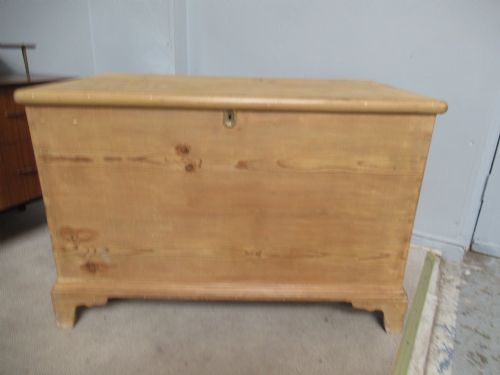
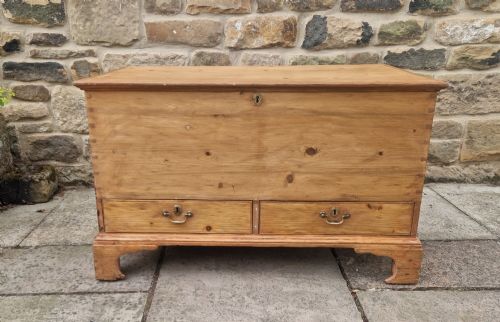
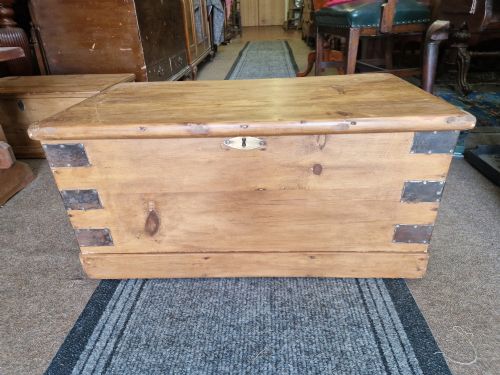
When you search for antique pine brackets, you encounter structural and decorative architectural salvage designed to support shelves, beams, or cornices. The evidence on this page actually points toward a broader selection of nineteenth-century pine furniture and carved architectural elements, such as blanket boxes, chests of drawers, wall mirrors, and carved corbels.
The pieces span the Georgian and Victorian periods, with distinct styles ranging from rustic farmhouse and folk art to Victorian Gothic Revival. Buyers most frequently meet blanket boxes on bracket feet, miniature chests of drawers, and carved wooden figures alongside structural timber supports.
Origins include utilitarian country workshops and formal urban cabinet makers, reflecting both domestic storage solutions and decorative architectural embellishment. Each piece demonstrates the enduring utility of softwood in historic British interiors.
Materials and construction methods
Pine forms the primary material across the inventory, utilised for its workable grain and structural reliability in both furniture carcasses and architectural carvings. Carpenters and joiners shaped the timber using traditional hand tools, employing visible dovetail joints, pegged construction, and bracket feet to elevate chests and boxes off damp floors.
Surface finishes vary between original historic paint schemes, traditional wax treatments, and unpainted timber surfaces that display decades of natural patina and wear. Secondary materials appear selectively, incorporating brass handles, iron hardware, and mirror glass into the functional design of chests and wall mirrors.
The listings span the Georgian and Victorian eras, recording pine furniture, wall mirrors, and carved architectural elements like corbels.
Quality factors in pine pieces
The distinction between standard utility items and finer examples rests upon the ambition of the carving and the integrity of the original construction. Finely carved architectural corbels and figures demonstrate superior sculptural skill, whereas simpler items prioritize sturdy functional storage.
The survival of original surfaces, such as early paint finishes or mellow wax patination, elevates a piece above those stripped or heavily restored in later generations. Proportion, intact bracket feet, and period-appropriate hardware also determine the overall standing of each item.
The Antique Pine Brackets Glossary
- Bracket foot
- A furniture foot shaped like a bracket, commonly seen supporting Georgian and Victorian chests of drawers and blanket boxes. It typically mitres at the corner and lifts the carcass cleanly off the floor.
- Corbel
- A structural piece of stone or wood projecting from a wall to carry a weight. In pine, these are often carved decoratively in Gothic or classical revival styles to support shelves.
- Mule chest
- A traditional storage chest featuring one or more drawers at the base beneath the main lift-top compartment. They bridge the gap between simple blanket boxes and full chests of drawers.
- Architectural salvage
- Building elements rescued from demolition or alteration for reuse in interior decoration. This category includes carved pine brackets, corbels, and structural fragments.
- Patina
- The surface sheen and colour developed by wood, paint, and metal through age, handling, and wear. It serves as a primary indicator of historical authenticity.
Antique Pine Brackets: Frequently Asked Questions
What is a mule chest?
A mule chest is a traditional storage box that incorporates one or more drawers beneath the main lifting lid compartment. This design evolved during the Georgian period to offer more accessible storage than a deep box.
They function well as bedroom storage or hallway furniture, combining the capacity of a blanket box with the organisation of a drawer unit.
How do I date antique pine furniture?
Dating relies on examining construction methods, timber preparation, and decorative styles. Hand-sawn marks, wrought iron nails, and pegged joints usually indicate nineteenth-century or earlier manufacture.
Stylistic cues such as Georgian bracket feet or Victorian Gothic Revival carving help narrow the period of origin alongside any remaining original paint surfaces.
Where should I place architectural corbels?
Architectural corbels work effectively mounted beneath open wooden shelving, above doorways, or simply displayed as sculptural objects on a mantelpiece. Their original purpose was load-bearing, but smaller antique examples suit decorative interior placement.
Fix them securely to wall studs if utilised to support actual weight rather than purely decorative displays.
Are painted pine pieces authentic?
Original historic paint finishes frequently survive on nineteenth-century country furniture and folk art pieces. Many utility boxes and blanket chests received protective coats of lead-based paint during their working lives.
An undisturbed original paint surface adds significant character and historical value compared to pieces that have been modernly stripped down to bare timber.