




Decorative Table Vase Pair
A decorative table vase pair brings symmetry and balance to a room, offering matching accents that anchor a mantelpiece or sideboard.
Decorative Table Vase Pair
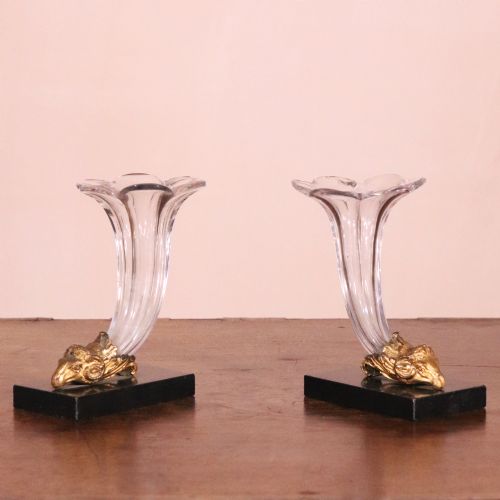
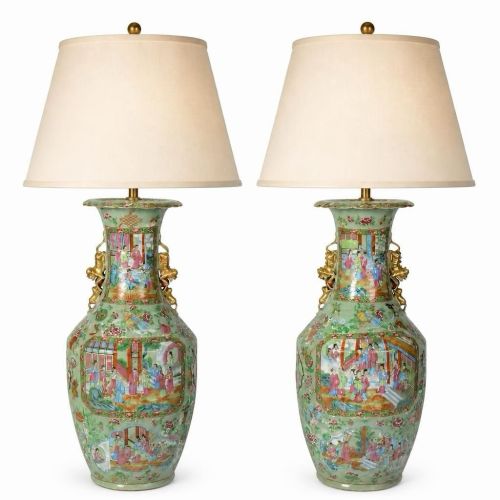
When you search for a decorative table vase pair, you encounter matching vessels designed to sit symmetrically upon furniture surfaces rather than floor pedestals. The selection spans porcelain, pottery, bronze, and glass, appearing in forms ranging from traditional baluster shapes to converted urns and lamps.
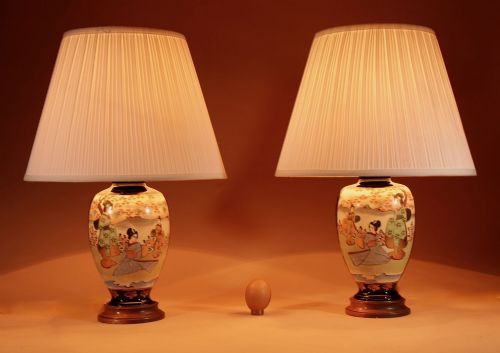
The pieces on this page draw from distinct periods including the Regency, Victorian, and Edwardian eras, alongside Japanese Meiji period exports and Chinese ceramics. Many items have found new life as table lamps while retaining their original decorative presence.
How they were made
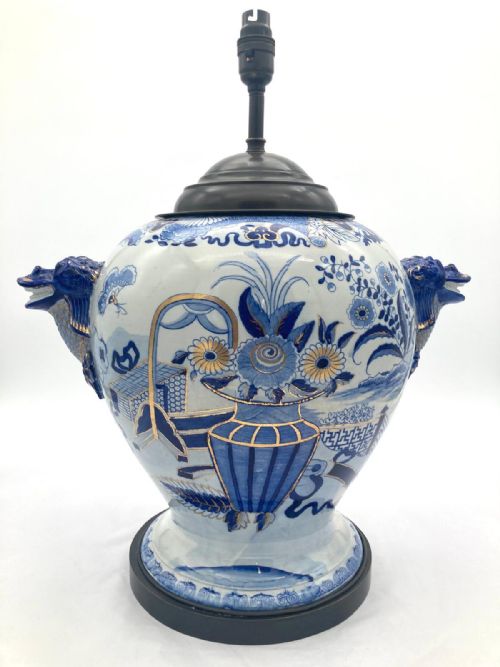
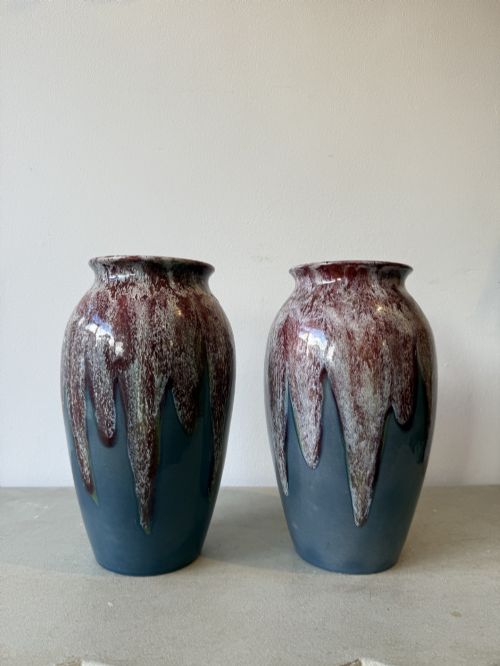
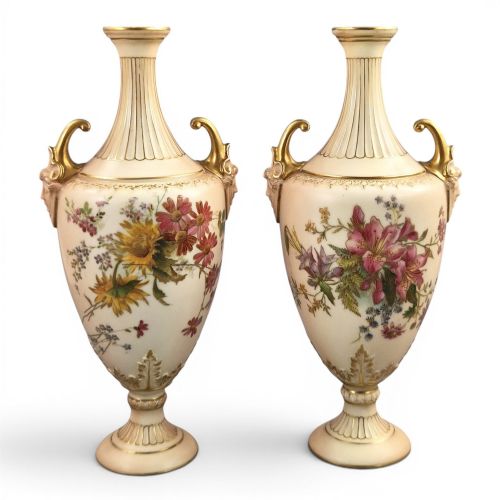
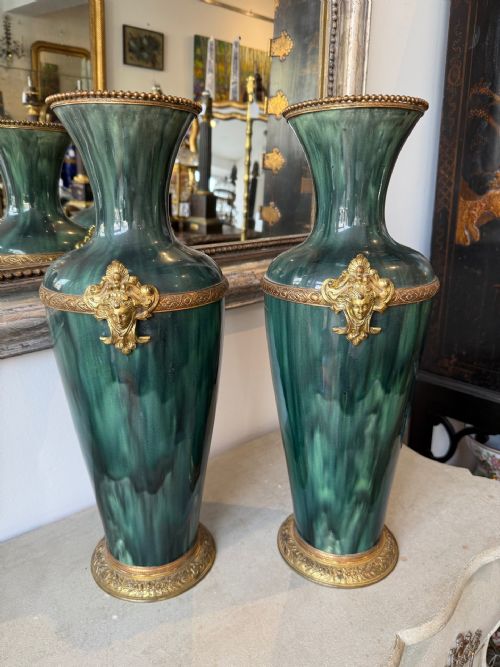
Ceramic pairs employ porcelain, ironstone, and stoneware bodies, often finished with hand-painted floral motifs, enamel details, or mottled green glazes. Makers applied gilding and blush ivory grounds to achieve a refined surface finish.
Metalwork pairs utilise bronze, brass, copper, and silver plating, sometimes paired with marble plinths, glass, or horn. Cloisonné and chased floral decoration demonstrate skilled hand-tooling across the metal surfaces.
The listings span porcelain, bronze, brass, and stoneware across the 19th and early 20th centuries.
What varies in quality
Quality rests in the crispness of the hand-painting and the depth of the glaze or metal chasing. Superior pairs exhibit careful symmetry in both form and decorative detail.
The integration of mounts, bases, and later lamp conversions affects the overall coherence of the pair. Finer examples maintain original patination and harmonious proportions across both items.
Hicks and Meigh·Royal Worcester·Royal Doulton Lambeth·Bretby
The Decorative Table Vase Pair Glossary
- Blush ivory
- A soft cream-coloured ceramic ground popularised by English potteries, often decorated with hand-painted floral sprays. It creates a matte finish distinct from glossy glazes.
- Cloisonné
- An ancient metalwork technique where enamel paste is applied within wire compartments soldered to a metal base. Firing fuses the colours into vibrant decorative patterns.
- Gilt bronze
- Bronze that has been treated with a thin layer of gold, providing a bright metallic sheen. It appears frequently on French and Regency decorative hardware and mounts.
- Satsuma
- A type of Japanese earthenware featuring a crackled ivory glaze and elaborate polychrome enamel designs. These wares were widely exported during the Meiji period.
- Ironstone
- A heavy, durable type of ceramic patented in the nineteenth century as a robust alternative to porcelain. It readily accepts transfer printing and hand-painting.
Decorative Table Vase Pair: Frequently Asked Questions
How do I style a decorative table vase pair?
Place the pair symmetrically on a large sideboard, console table, or mantelpiece to create visual balance.
Matching heights and colourways help anchor the surrounding space without cluttering the surface.
Were these pairs originally used as lamps?
Many ceramic and metal pairs were converted into table lamps during the nineteenth or twentieth centuries.
Conversion often preserved the original vase body while adding electrical fittings for modern utility.
What is the difference between Satsuma and Kutani wares?
Satsuma wares feature a distinctive cream-coloured crackle glaze decorated with fine enamel and gold.
Kutani wares typically showcase bolder red, green, and gold palettes on porcelain rather than earthenware.
How do I identify a Victorian ceramic pair?
Victorian ceramics often display rich floral decoration, blush ivory grounds, or textured stoneware glazes.
Many bear impressed factory marks or pattern numbers from British potteries active during the nineteenth century.