





Decorative Silver Table Dish
These decorative silver table dishes span Victorian, Edwardian, and Art Deco periods, offering striking centrepieces and serving pieces for the home.
Decorative Silver Table Dish
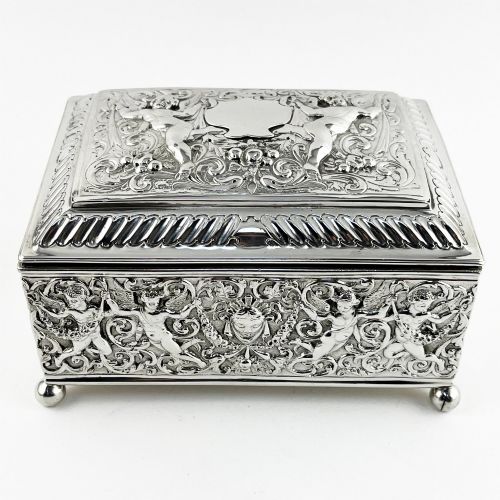
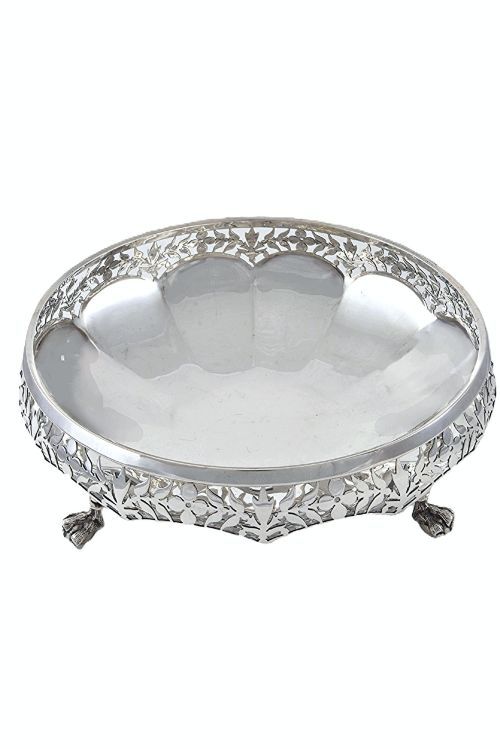
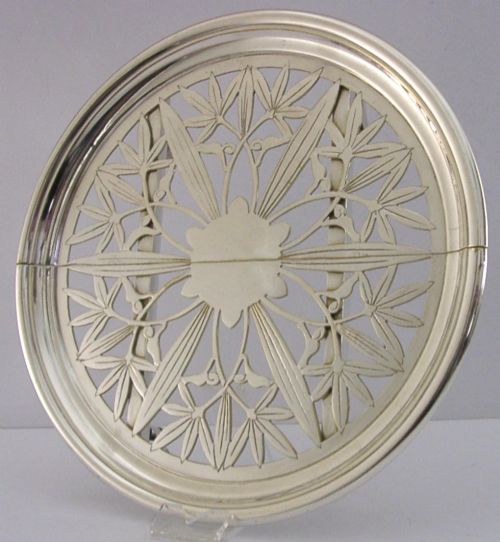
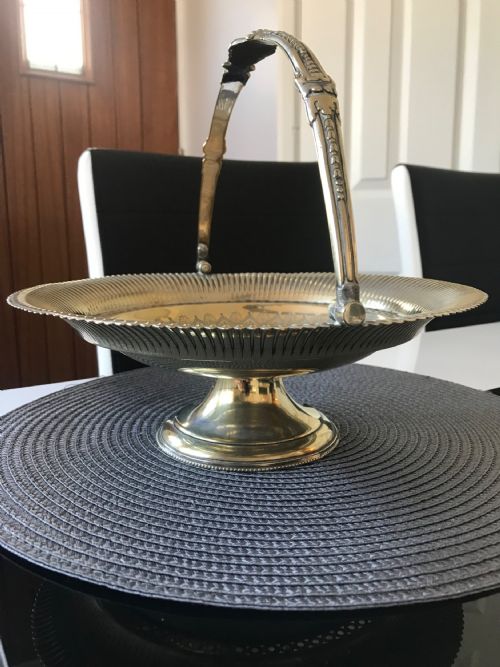
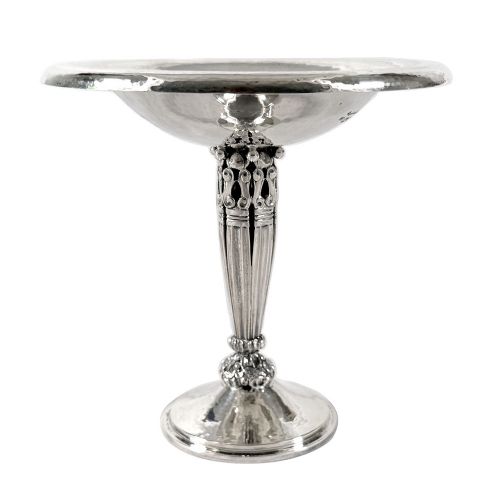
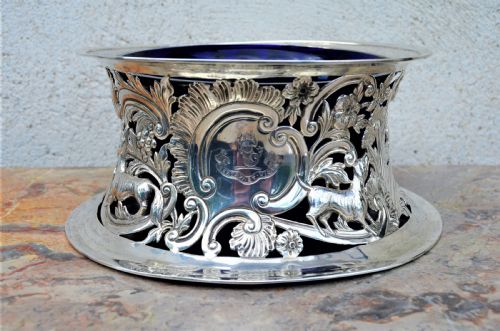
A decorative silver table dish covers a diverse group of silver and mixed-material tablewares, ranging from centrepiece bowls and tazzas to trinket boxes, baskets, and serving stands. You will most frequently encounter Victorian and early twentieth-century sterling silver or silver plated items, such as fruit baskets, potpourri bowls, and novelty dishes.
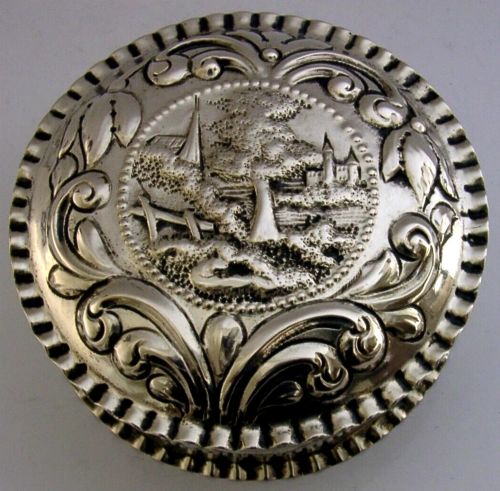
The assortment includes specialised forms like swing-handle baskets, caviar ice servers, and castle-top boxes, reflecting both formal dining traditions and ornamental table displays. Pieces span styles from Neoclassical and Rococo Revival to Art Deco and Scandinavian Revival, demonstrating varied aesthetic tastes across decades of production.
Materials and construction methods
Items are constructed from sterling silver, solid silver, and silver plate, often combined with cut glass, rock crystal, ceramic, or brass to create contrasting textures and functional vessels. Techniques involve casting, piercing, and repoussé work, alongside specialised plating methods such as electroplated nickel silver.
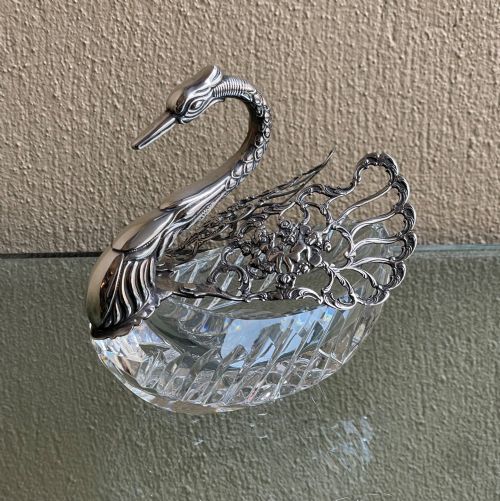
Makers integrated natural materials like glass and ceramic with metal mounts, as seen in swan-shaped dishes with glass bodies or Doulton Burslem and Royal Doulton ceramic bowls fitted with silver rims and bases.
Decorative Silver Table Dish Retail Price Guide 2026
Typical asking prices for decorative silver table dish among the pieces listed under this phrase on Sellingantiques today, from the lower quarter to the upper quarter. They describe what is for sale here now, not the wider market.
Several items take the form of swimming waterfowl and Viking longships, turning butter and condiments into maritime adventures.
Distinguishing quality and design
Quality rests in the crispness of casting and chasing, the weight of the metal, and the harmony of mixed materials like cut glass and rock crystal paired with silver mounts. Superior examples display refined proportions and intricate detailing, such as castle-top pictorial scenes or hand-hammered surfaces.
The reputation of the silversmithing firm or retailer, along with documented hallmarks, elevates a piece from standard functional ware to notable decorative art.
Christofle·Charles Boyton·Tiffany and Co·Elkington and Co·William Comyns·Gorham
The Decorative Silver Table Dish Glossary
- Tazza
- A shallow bowl or plate mounted on a stem and foot, traditionally used for serving fruit or sweetmeats on the dining table.
- Potpourri
- A mixture of dried petals and spices used for scenting a room, typically contained within a pierced or lidded decorative basket.
- Comport
- An ornamental dish or bowl raised on a foot, designed for holding fruit, nuts, or confectionery as a table centrepiece.
- Castle-top
- A style of decorative silver featuring a detailed topographical relief of a specific building or castle on the lid or rim.
Decorative Silver Table Dish: Frequently Asked Questions
What is a silver tazza used for?
A tazza is an elevated dish mounted on a central foot or stem, traditionally employed for presenting fruit, small cakes, or sweetmeats during formal meals.
In modern settings, these pieces function primarily as decorative table centrepieces or ornamental display items.
How do I clean silver table dishes?
Silver pieces require regular gentle cleaning with a specialised silver polish and a soft cloth to remove tarnish while preserving the underlying metal.
Items that incorporate glass, ceramic, or delicate crystal components need careful handling to avoid moisture damage to cemented joints or mixed-media mounts.
How do I date an antique silver dish?
Dating relies primarily on official hallmarks stamped into the metal, which indicate the assay office, standard of silver, and specific year of production.
Stylistic indicators, such as Neoclassical swags, Victorian floral repoussé, or geometric Art Deco lines, provide additional chronological context when hallmarks are absent or worn.