


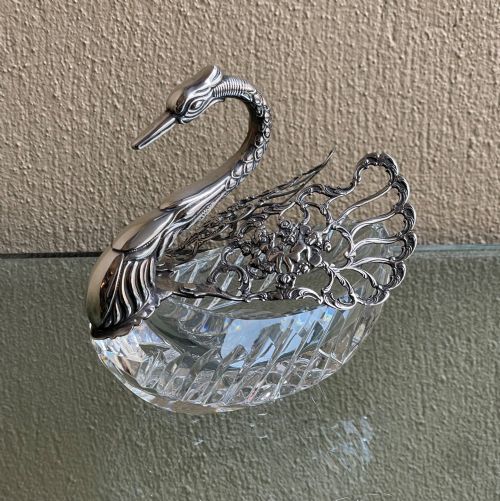

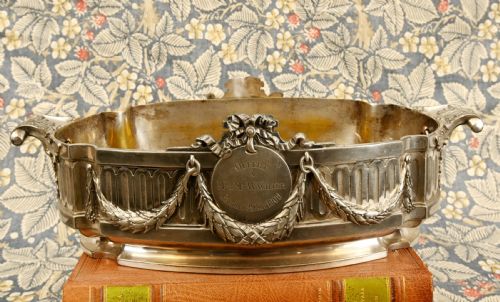
Decorative Silver Centrepiece
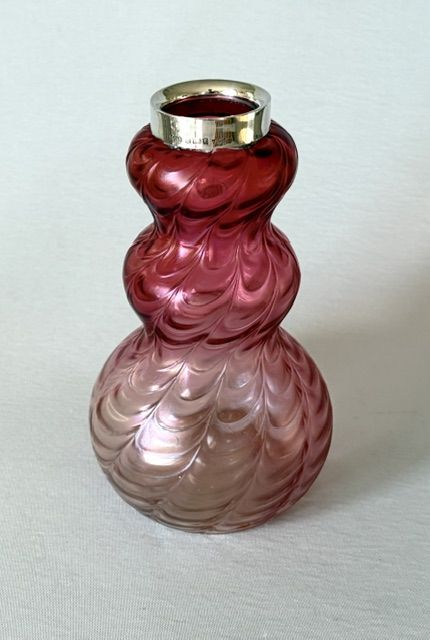
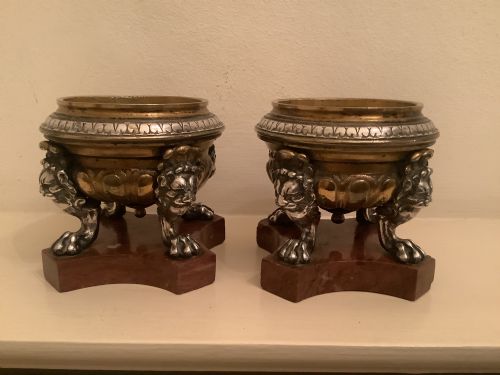
A decorative silver centrepiece anchors a dining table with weight and grace, drawing the eye through height or spread.
Decorative Silver Centrepiece
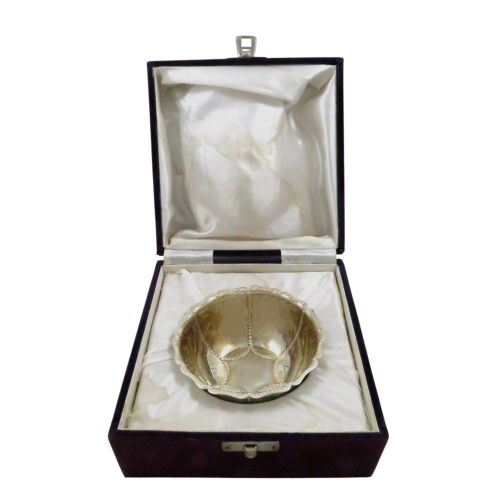
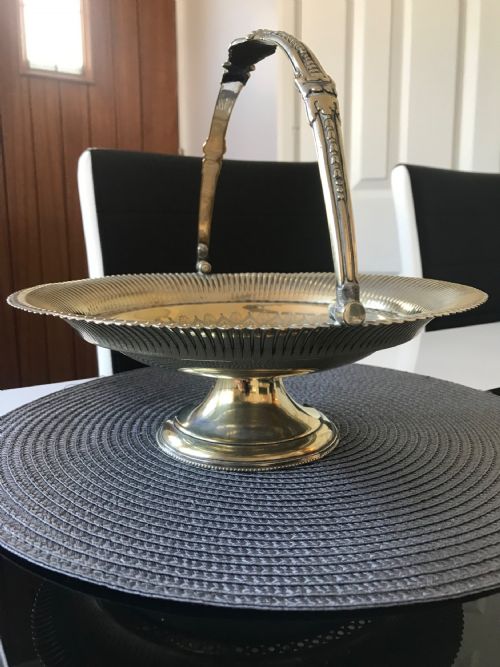
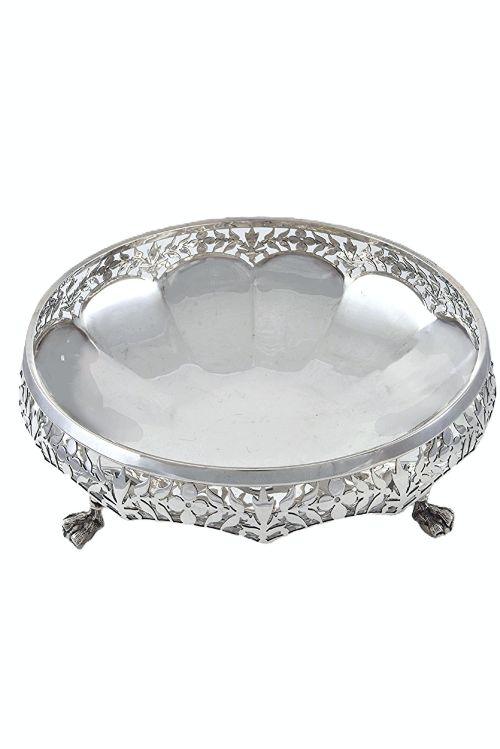
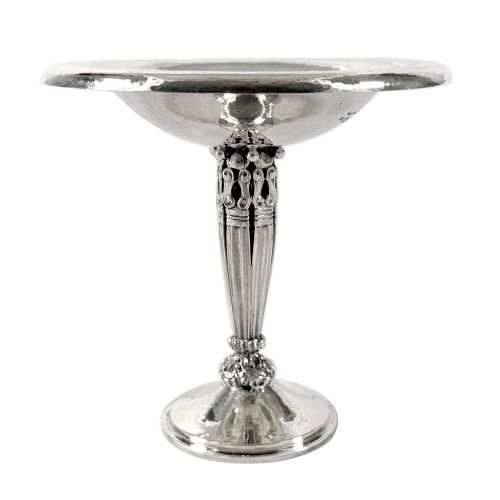
A decorative silver centrepiece serves as the primary focal point of a formal table setting, taking the form of low bowls, footed tazzas, baskets, and multi-tiered epergnes. The versions most commonly met on this page span the Victorian and Edwardian eras, alongside later Art Deco designs.
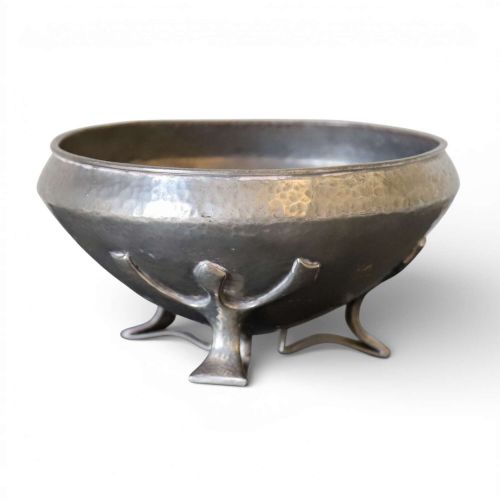
Makers shaped these items from sterling silver, silver plate, solid silver, and mixed metals, often pairing them with cut glass or ceramic inserts. Origins range from English workshops to Anglo-Indian, Chinese Export, and continental European makers.
Formats vary from simple presentation bowls and fruit baskets to elaborate standing figures, planters, and boat-shaped dishes. Each piece was built to hold fruit, flowers, or simply to stand alone as an ornament of considerable presence.
How they were made
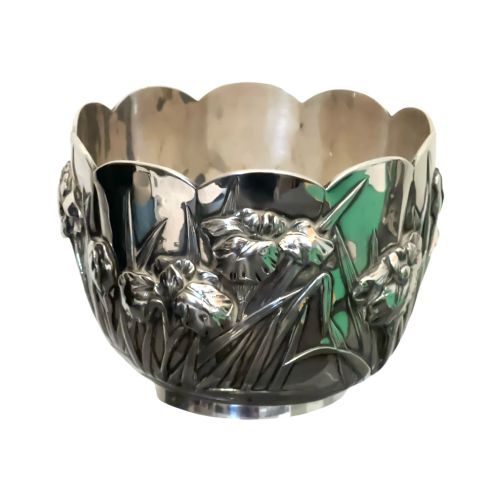
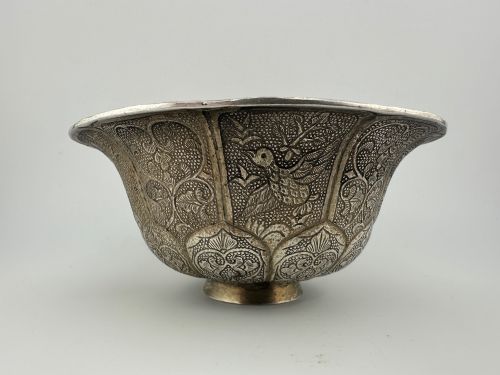
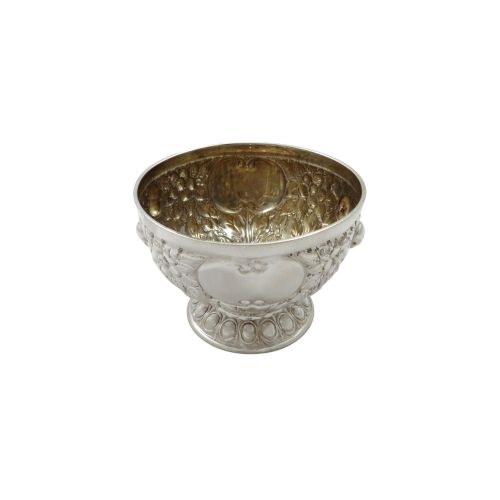
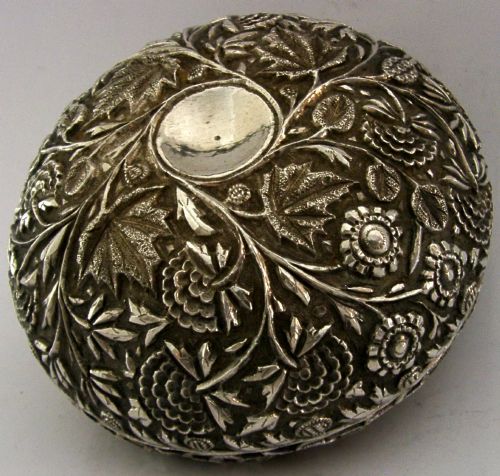
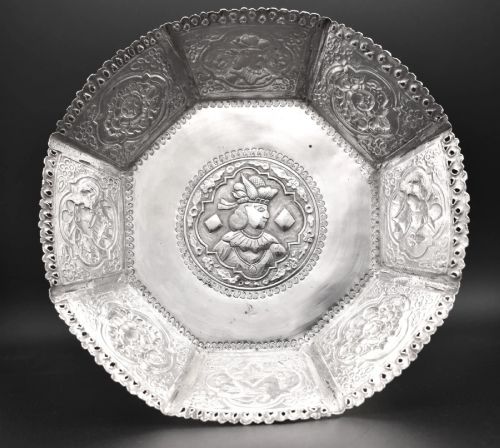
Silversmiths utilised sterling silver and silver plate over base metals, combining casting, spinning, and hand-raising techniques to shape the body. Many surfaces show intricate repoussé and hand-chased figures, flora, or geometric motifs hammered from the reverse.
Makers frequently integrated cut glass bowls, ceramic liners from potteries like Royal Worcester or Doulton Burslem, and bronze or brass mounts. Footed tazzas and epergnes often involved modular construction, screwing together multiple tiers, trumpet vases, and branches securely.
Decorative Silver Centrepiece Retail Price Guide 2026
Typical asking prices for decorative silver centrepiece among the pieces listed under this phrase on Sellingantiques today, from the lower quarter to the upper quarter. They describe what is for sale here now, not the wider market.
Several pieces abandon traditional bowls entirely, taking the form of solid silver fighting cockerels and Viking longships.
What varies in quality
Quality rests in the crispness of the repoussé work and the depth of the hand-chasing, where sharper, deeper relief denotes greater skill from the silversmith. Heavy gauge metal provides substantial physical weight, preventing flimsy movement in large bowls and epergnes.
The integration of mixed materials also defines the tier of the piece, such as thick, heavily cut glass liners fitting snugly into pierced silver or plated mounts, or firm joints in multi-part structures like candelabra and standing tazzas.
Liberty & Co·Oliver Baker·Charles Boyton·Elkington & Co·Royal Doulton·Gorham·Doulton Burslem
The Decorative Silver Centrepiece Glossary
- Tazza
- A shallow bowl or plate mounted on a stem and foot, traditionally used for serving fruit or sweets on a table. These pieces often feature chased or pierced rims.
- Repoussé
- A metalworking technique where the artisan hammers the design from the reverse side to create a raised relief on the front. This method creates tactile, highly ornate surface patterns.
- Epergne
- An elaborate table centrepiece featuring a central bowl or basket surrounded by smaller hanging baskets or trumpet vases. They were designed for holding fruit, sweetmeats, or flowers.
- Comport
- A decorative dish raised on a foot or stem, similar to a tazza, used for table presentation. They appear in silver, plate, and ceramic forms.
- Cairoware
- Metalware inlaid with silver, copper, or gold, produced in Cairo during the nineteenth century and collected by European travellers. These items utilise brass and mixed metal bases.
Decorative Silver Centrepiece: Frequently Asked Questions
How were centrepieces used?
These pieces sat in the middle of formal dining tables to hold seasonal fruit, flowers, or sweetmeats during large meals. They acted as conversation starters and symbols of hospitality.
Over time, many transitioned from active dining service into pure display items, ornamenting sideboards, cabinets, and entrance tables.
What is the difference between sterling and plate?
Sterling silver contains a legally defined purity standard of silver throughout the entire object, usually marked with assay office hallmarks. Silver plate consists of a thin layer of silver bonded to a base metal core such as copper or nickel.
Both materials achieve the same bright visual effect, but solid silver carries intrinsic metal value and greater weight.
How do I clean my silver centrepiece?
Dust the piece gently with a soft, dry cloth to remove surface particles before applying any cleaning agents. Use a specialist silver polish sparingly, rubbing in the direction of the metal grain rather than in circles.
Avoid abrasive cloths or harsh chemical dips, particularly on pieces with delicate repoussé work, cut glass liners, or fitted ceramic bases.
Can I use these for fresh flowers?
Many bowls, baskets, and epergnes were originally designed to hold floral arrangements alongside fruit. Ensure any glass or ceramic liners are sound before filling them with water to protect the metal structure.
Dry thoroughly after use to prevent moisture from tarnishing the silver or damaging plated surfaces and soldered joints.