






Decorative Side Chair
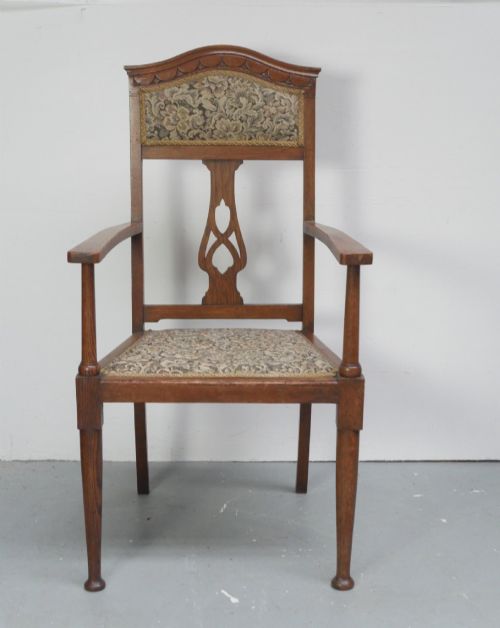
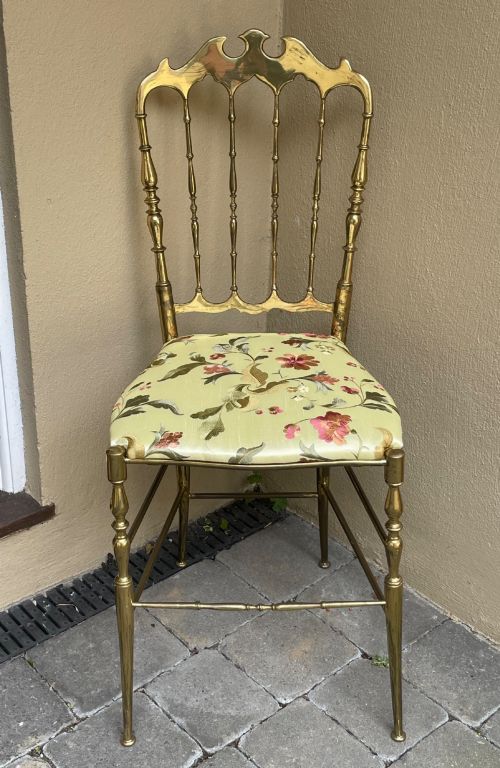
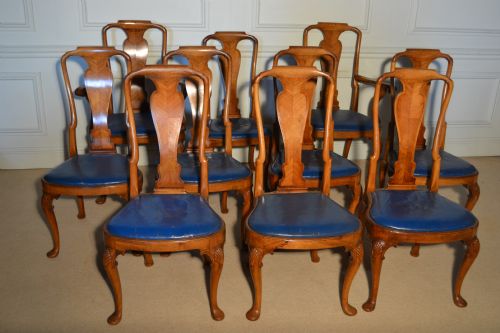
A decorative side chair brings instant character to a room through varied woods, upholstery and carved details.
Decorative Side Chair
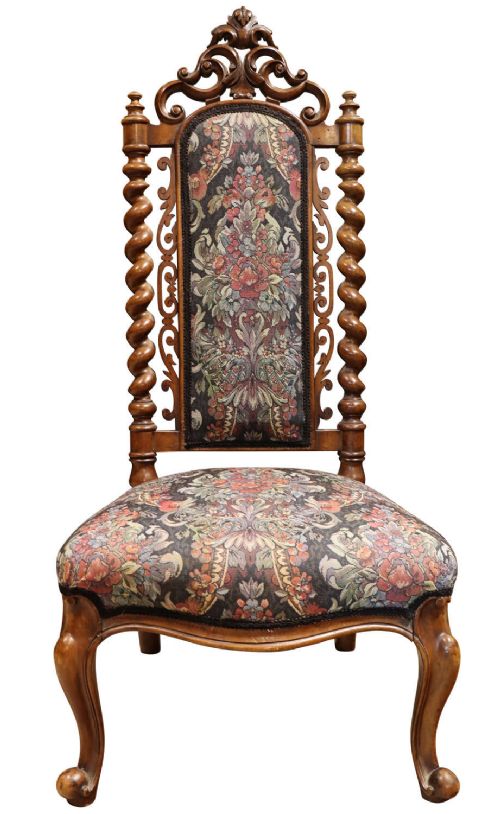
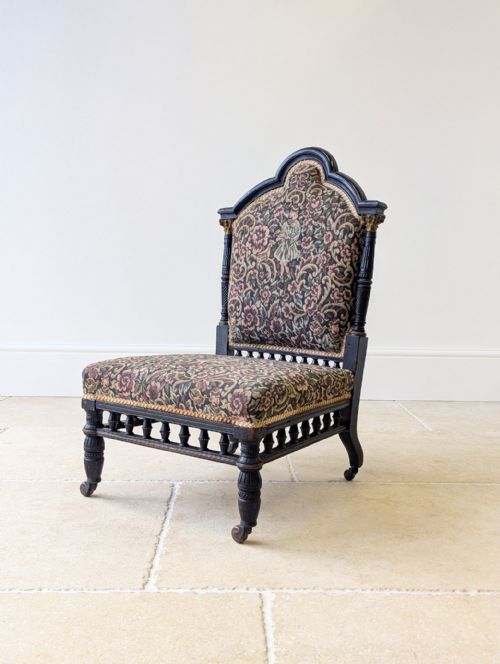
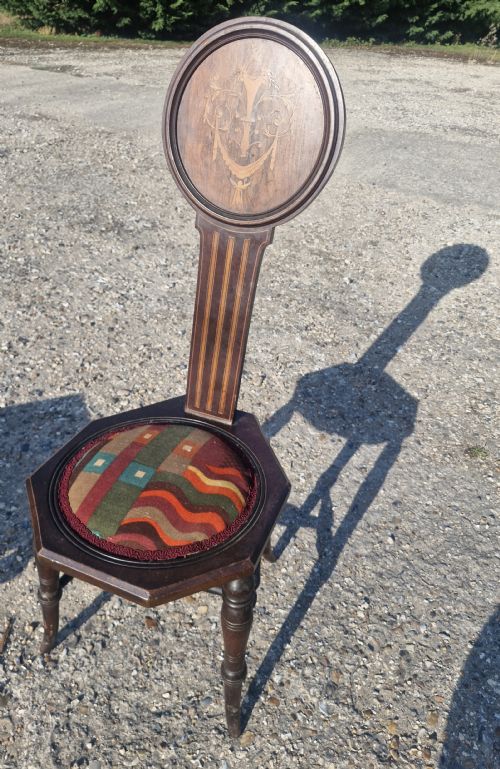
A decorative side chair serves as a versatile seating option designed primarily for accent rather than formal dining, appearing frequently in Victorian and Edwardian iterations. Buyers seek these pieces for their ornamental frames, which range from salon and bedroom chairs to hall and spinning chairs.
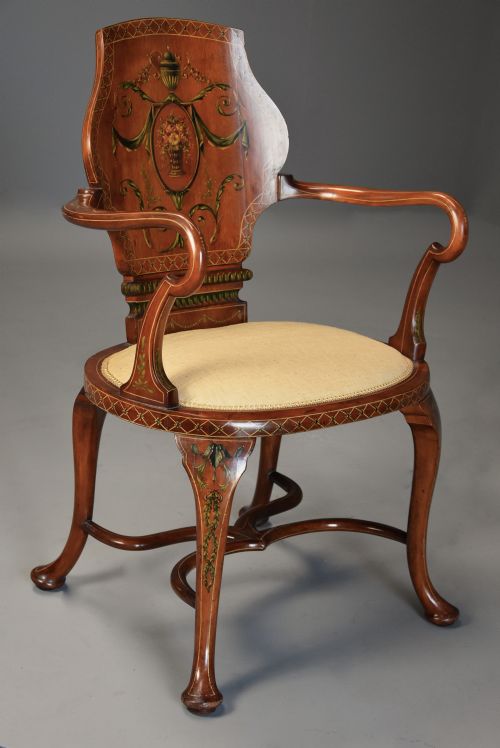
The selections span distinct periods including the nineteenth century, Victorian era, and Edwardian decades, alongside specific revivals like Chinese Chippendale and Aesthetic Movement designs. Walnut and mahogany form the backbone of the timber options, complemented by painted surfaces and elaborate carving.
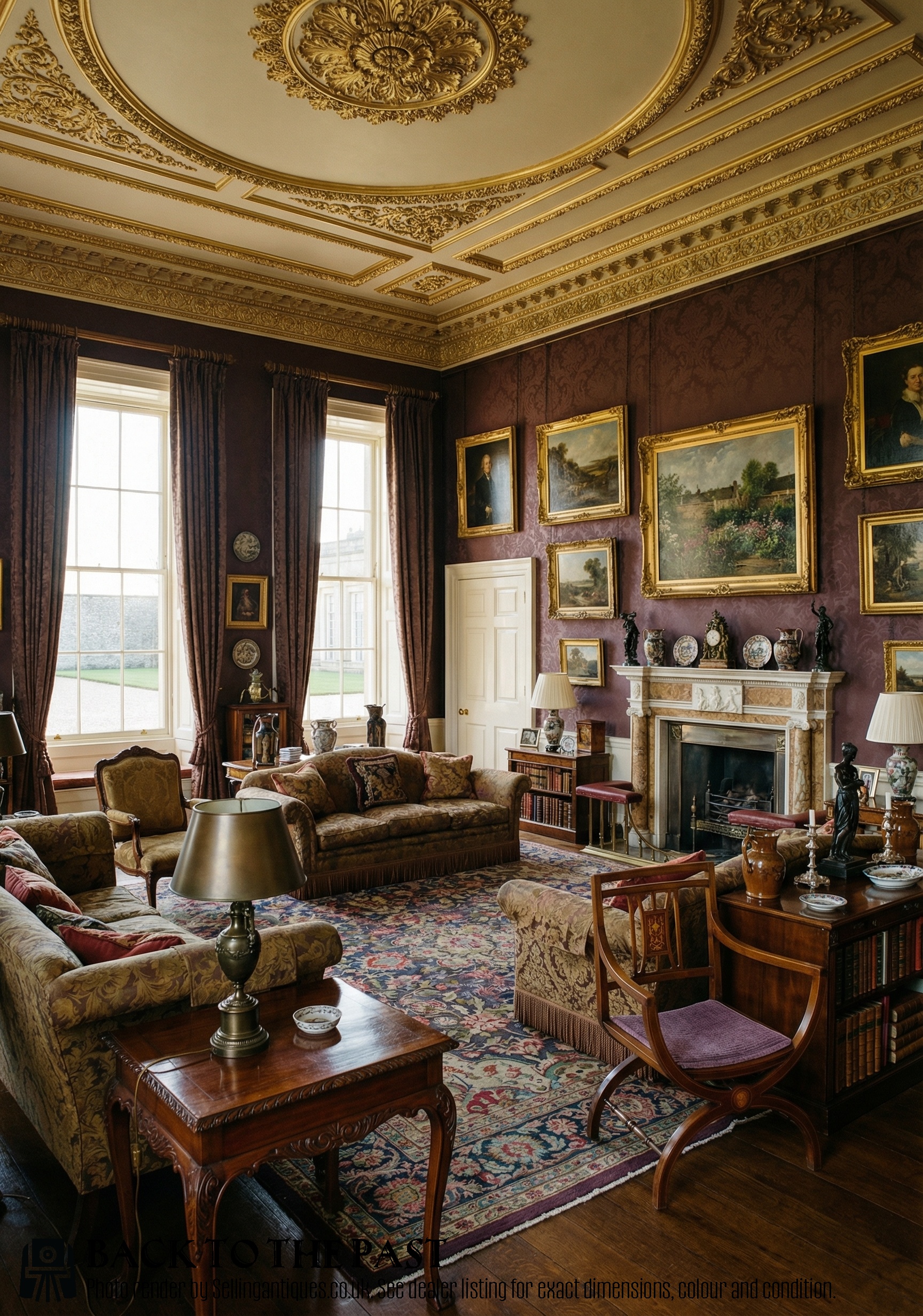
Side chairs on this page often incorporate fabric or silk upholstery, cane panels, or bone inlay to enhance their visual appeal in domestic spaces. These pieces function successfully in hallways, morning rooms, and bedrooms where an individual seat adds a distinct focal point.
Materials and construction
Cabinetmakers utilised hardwoods such as mahogany, walnut, oak, and satinwood to build sturdy frames, employing traditional joinery alongside intricate hand carving. Many examples demonstrate specialised surface treatments, including ebonised finishes, hand-painted decorations, lacquered papier-mâché, and gilt highlights.
Upholstery methods varied widely according to the intended room, utilising silk, cotton, tapestry, and fabric secured over padding. Decorative elements such as bone inlay, bobbin turning, and brass components further distinguished individual pieces from standard utilitarian seating.
Decorative Side Chair Retail Price Guide 2026
Typical asking prices for decorative side chair among the pieces listed under this phrase on Sellingantiques today, from the lower quarter to the upper quarter. They describe what is for sale here now, not the wider market.
Listings feature walnut, mahogany, oak, satinwood, and rosewood alongside papier-mâché and brass.
Assessing quality
The degree of hand carving and the crispness of detail on timber frames separate exceptional examples from standard production. Superior pieces display refined joinery, high-grade timbers like figured mahogany or walnut, and intact original decorative elements such as bone inlay or gilding.
The integrity and preservation of original surfaces, whether hand-painted designs or ebonised finishes, heavily influence the standard of a chair. Consistency in matched pairs and the survival of period textiles or appropriate reupholstery also elevate the desirability of the piece.
The Decorative Side Chair Glossary
- Side chair
- A chair without arms, traditionally used alongside walls or at dining tables but frequently deployed as decorative accent seating in reception rooms.
- Salon chair
- An occasional chair designed for the nineteenth-century drawing room, prioritising decorative elegance and comfort for light social use.
- Marquetry
- The art of applying pieces of veneer to a structure to form decorative patterns, often seen on Edwardian mahogany frames.
- Papier-mâché
- A composite material made of paper pulp mixed with glue and resin, pressed and lacquered to create durable, highly decorative furniture components.
- Bobbin chair
- A type of seating characterised by turned wood components shaped to resemble strings of bobbins or spools, popular in the nineteenth century.
Decorative Side Chair: Frequently Asked Questions
Where do these chairs work best?
These chairs suit bedrooms, hallways, and drawing rooms where an occasional seat is required.
They add visual interest without occupying the footprint of a larger armchair.
How do I identify a Victorian piece?
Victorian chairs often feature dark timbers like walnut or mahogany with deep carving.
Ebonised finishes and papier-mâché construction also point towards this nineteenth-century period.
What is an Edwardian salon chair?
Edwardian salon chairs date from the early twentieth century and frequently showcase satinwood or inlaid mahogany.
They tend to present lighter proportions compared to earlier Victorian furniture.
Can I use them for daily seating?
Many of these chairs were built for decorative display rather than heavy everyday use.
Consider the frame construction and upholstery strength when planning active daily sitting.