



Decorative Serving Tray
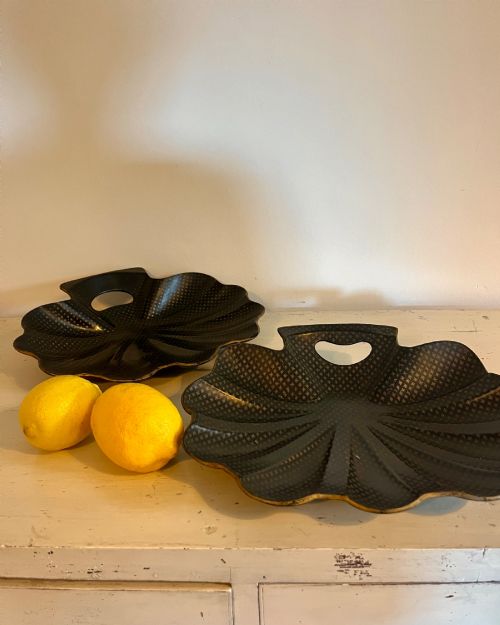
These decorative serving tray examples span centuries of craft, offering functional elegance for modern interiors.
Decorative Serving Tray
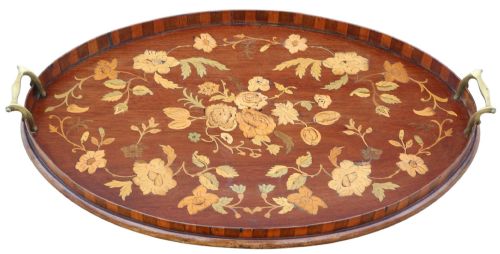
A decorative serving tray serves both practical functions and aesthetic purposes, combining utility with visual appeal. Collectors searching for a decorative serving tray encounter numerous forms, from Georgian and Regency papier-mâché to Victorian metalwork and Edwardian inlaid wood.
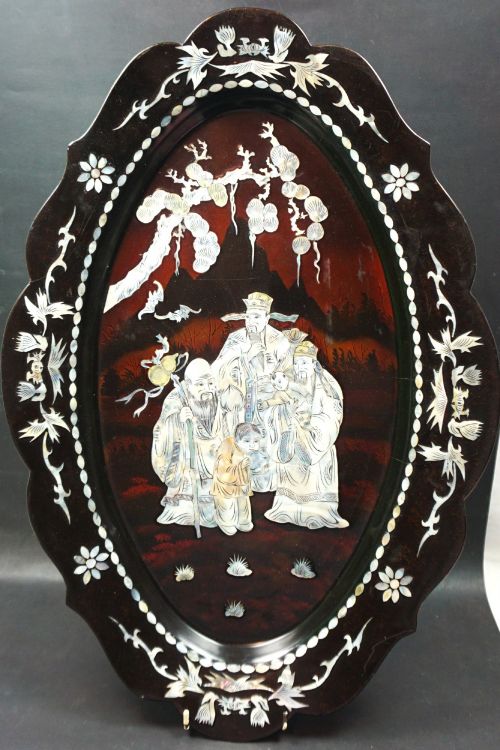
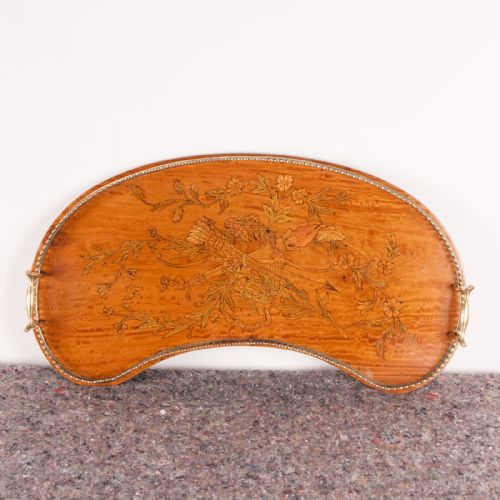
The selection ranges widely across materials and global origins, including Anglo-Indian teak items, Chinese lacquered wood platters, and Japanese cloisonné enamel pieces. Formats span circular chargers, oval dishes, and kidney-shaped trays designed for display or serving.
Pieces frequently reflect specific design movements such as Arts and Crafts, Art Nouveau, and Meiji Period aesthetics. Each item demonstrates the prevailing domestic tastes and craftsmanship of its respective period.
How They Were Made
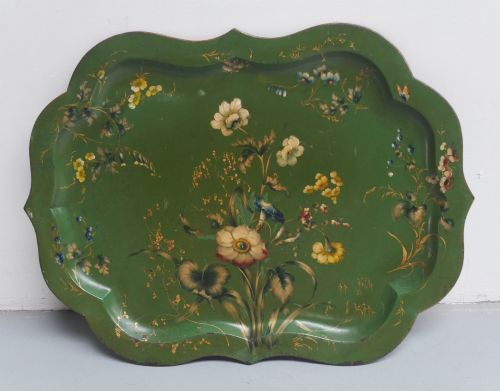
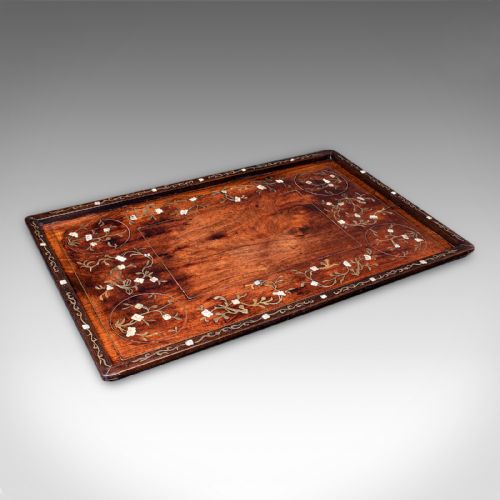
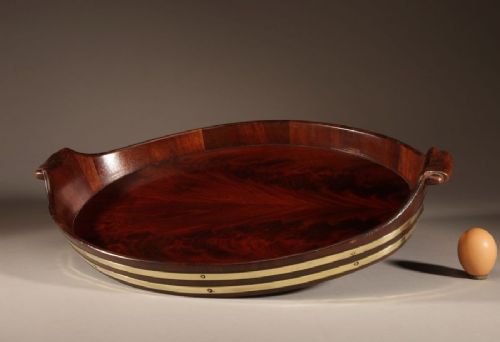
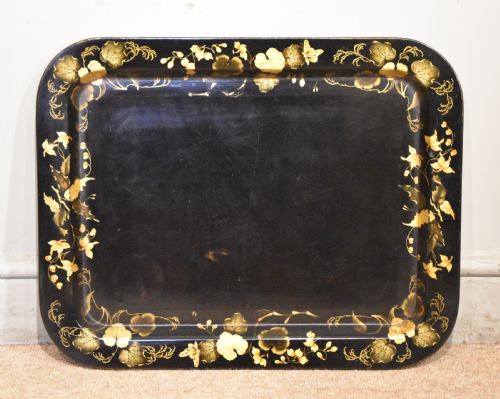
Papier-mâché examples involve layered paper pulps treated with binders and lacquers, often finished with Japanning or hand-painted gilding. Wood versions utilise mahogany, satinwood, or teak, frequently enhanced with intricate inlay work.
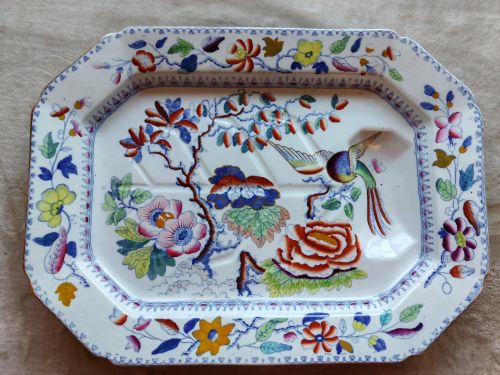
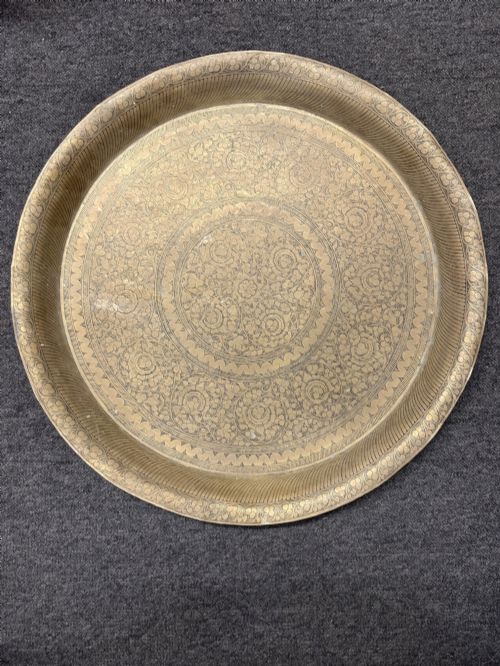
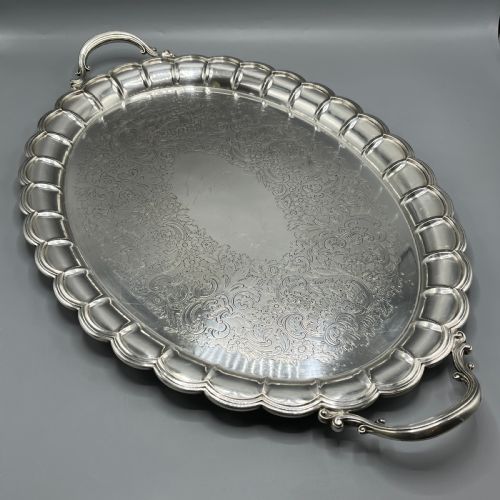
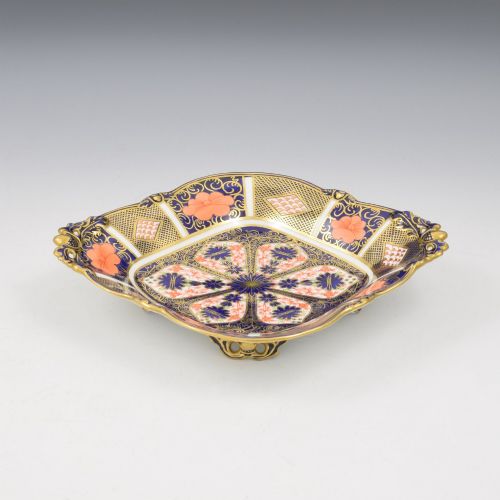
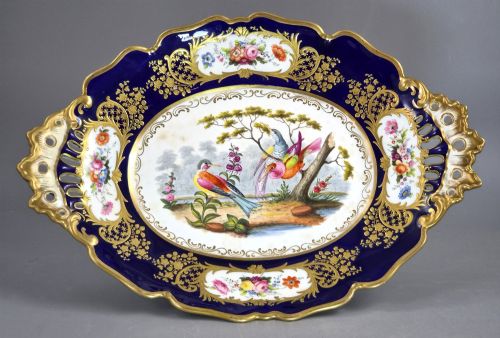
Metal items employ copper, brass, pewter, and silver plate, shaped through repoussé work, engraving, and mixed metal applications. Porcelain and pottery pieces utilise transfer printing, hand painting with gold leaf, and cobalt blue glazes.
Enamel items incorporate cloisonné techniques, fusing vitreous enamels within wire partitions on a metal base.
Decorative Serving Tray Retail Price Guide 2026
Typical asking prices for decorative serving tray among the pieces listed under this phrase on Sellingantiques today, from the lower quarter to the upper quarter. They describe what is for sale here now, not the wider market.
Listings span the Georgian, Regency, Victorian, Edwardian, and Arts and Crafts periods, utilising materials from papier-mâché to porcelain.
What Varies in Quality
Quality rests upon the preservation of original hand-painted or gilded surface decorations, such as floral motifs or figural scenes. Pieces retaining their untarnished original lacquer or japanning demonstrate superior preservation.
The precision of woodwork joinery, inlay execution, and the crispness of repoussé metal detailing distinguish finer examples. Maker attribution and the complexity of mixed media integration elevate individual pieces within their category.
Royal Crown Derby·Coalport·Royal Doulton·Chamberlain’s Worcester·Liberty & Co·Tiffany & Co·Royal Worcester
The Decorative Serving Tray Glossary
- Japanning
- A European imitation of East Asian lacquerware, produced by applying successive coats of varnish and heat-curing them. It yields a hard, dark, glossy finish often found on 19th-century papier-mâché trays.
- Repoussé
- A metalworking technique where the artisan hammers metal from the reverse side to form a raised design in relief. It appears frequently on copper and brass serving trays from the Arts and Crafts period.
- Cloisonné
- An enamelwork method where thin metal wires are soldered to a base to create compartments filled with coloured paste and fired. Japanese examples from the Meiji period display exceptional mastery of this craft.
- Imari
- A style of Japanese porcelain decorated in underglaze blue and overglaze red, gold, and green, which inspired various European factory reproductions. Royal Crown Derby pieces utilise this distinctive palette.
- Toleware
- Painted or lacquered metalware, typically tin or steel, produced in France and England during the 18th and 19th centuries. These items often feature rich dark grounds adorned with gilt or polychrome scenes.
Decorative Serving Tray: Frequently Asked Questions
Were these trays used for food or display?
Many examples were designed for afternoon tea service, carrying glassware, or presenting dishes at the dining table. Heavier metal platters and ceramic dishes handled meats and desserts.
Other variations, particularly intricate lacquer and cloisonné pieces, served purely as decorative cabinet items or display chargers.
How can I identify a Regency papier-mâché tray?
Regency items typically display deep moulded rims and robust papier-mâché construction using compressed paper layers. They frequently exhibit original japanning, gold leaf gilding, or hand-painted pastoral scenes.
Examining the underside often reveals the unpainted dark matte finish characteristic of early-19th-century workshop production methods.
What is Anglo-Indian teak furniture?
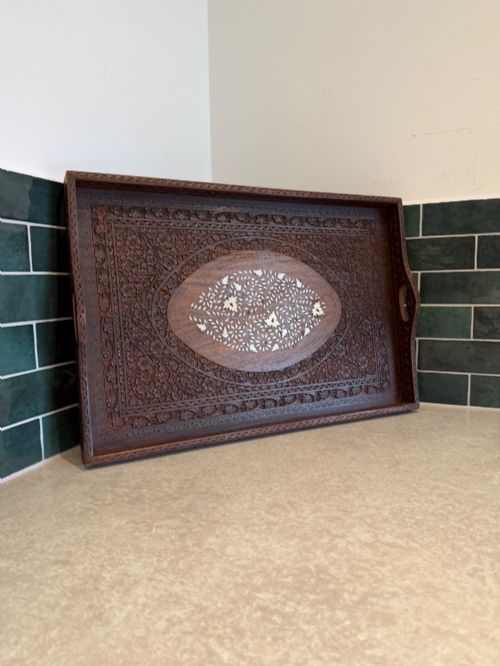
Anglo-Indian pieces combine traditional British furniture forms with indigenous Indian carving techniques and dense tropical timbers such as teak. They reflect colonial trade and domestic life during the 19th century.
Trays from this origin often incorporate afternoon tea slides and intricate pierced or inlaid wood ornamentation.