





Decorative Serving Dishes
These decorative serving dishes bring colour and historic craft to the table, ranging from eighteenth-century Chinese export porcelain to nineteenth-century transferware.
Decorative Serving Dishes
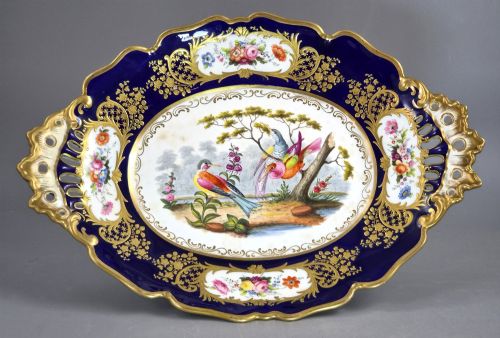
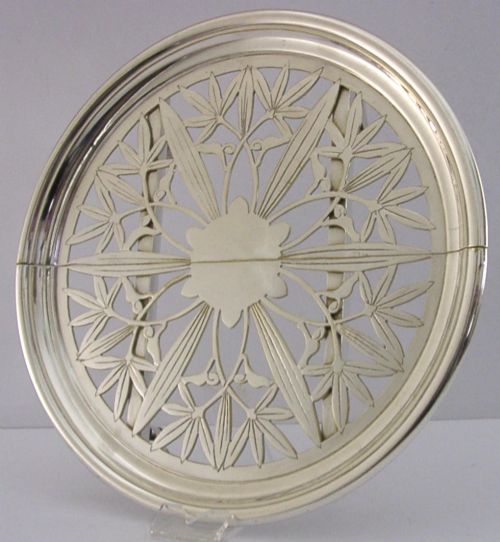
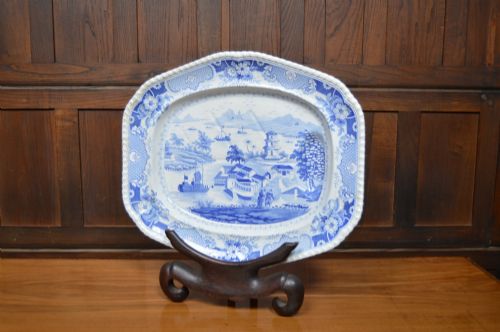
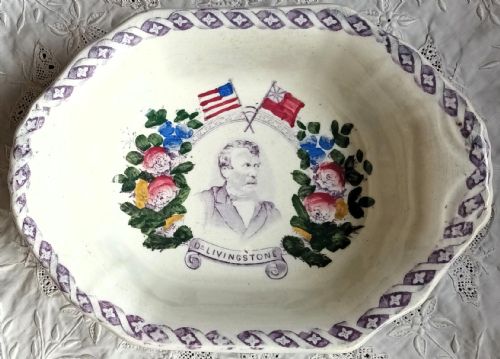
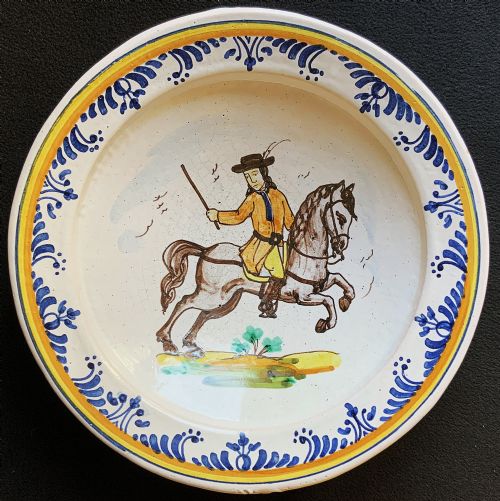
Decorative serving dishes encompass a wide variety of ceramic, metal, and glass forms designed to present food or ornament a room. You encounter everything from large earthenware chargers and blue and white transferware platters to intricate porcelain bowls and metal trays.
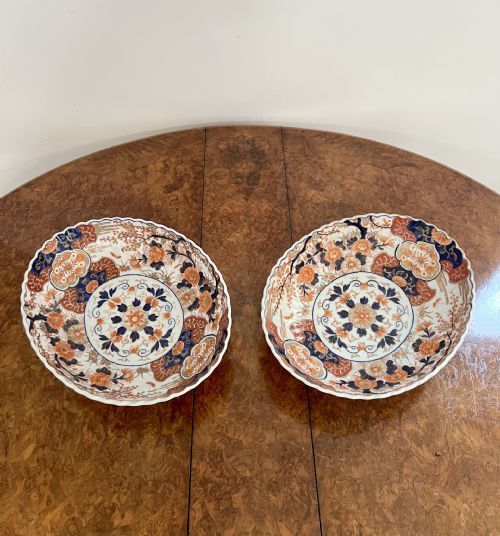
The selection draws on diverse global traditions, featuring English potteries alongside Japanese Imari wares, Chinese export porcelain, and French decorative metalwork. Pieces date from the eighteenth century through the Art Deco era, reflecting shifting dining customs and interior styles.
Functional tableware often crosses into pure display, with deep lobed dishes, meat platters, and centrepiece bowls serving both practical dining roles and decorative display functions in domestic interiors.
How they were made
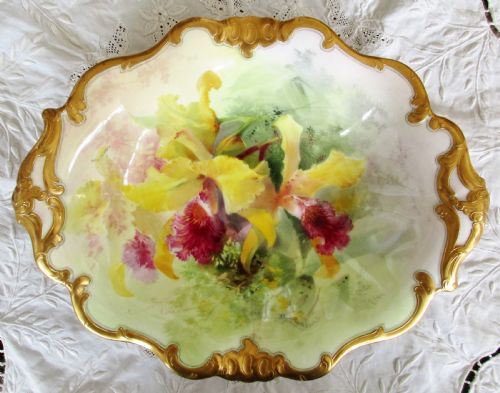
Pottery and porcelain pieces utilise traditional throwing, moulding, and casting techniques, finished with hand-painted glazes, cobalt blue transfer printing, or polychrome enamel decoration. Factories such as Royal Crown Derby, Worcester, and Spode applied complex gilding and gold leaf to fine ceramic bodies.
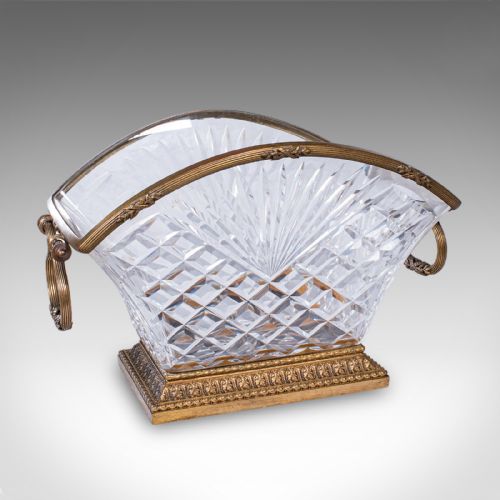
Metal vessels and trays employ hammering, casting, engraving, and silver plating over copper or brass foundations, alongside specialised techniques like Japanese cloisonné enamel. Glass items rely on heavy cut glass production, often mounted in ormolu or silver plate frames.
Lacquered surfaces and mixed metal compositions appear across various trays, combining organic materials and metal alloys to achieve durable, highly decorative finishes.
Decorative Serving Dishes Retail Price Guide 2026
Typical asking prices for decorative serving dishes among the pieces listed under this phrase on Sellingantiques today, from the lower quarter to the upper quarter. They describe what is for sale here now, not the wider market.
Listings feature porcelain, earthenware, stoneware, copper, brass, silver plate, and cut glass across the 18th, 19th, and early 20th centuries.
What varies in quality
The standard of a piece rests on the crispness of its manufacture, from the precision of cut glass facets and hand-engraved metalwork to the fineness of brushwork on hand-painted porcelain. Superior examples display clear definition in transfer prints and vibrant, stable enamel colours without muddy blending.
Material weight and integrity distinguish finer items, particularly in metalwork where substantial sterling silver or heavy copper provides a solid foundation compared to thinner plated alternatives. Ceramic quality reveals itself in the thinness and translucency of the paste, alongside the stability of the glaze during firing.
Royal Crown Derby·Christofle·Coalport·Royal Doulton·Spode·Chamberlain Worcester·Müller Volkstedt·Doulton Lambeth·Tiffany and Co·Elkington and Co
The Decorative Serving Dishes Glossary
- Imari
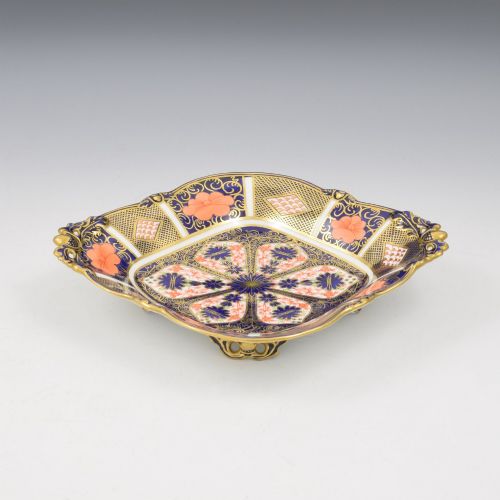
- A style of Japanese export porcelain characterised by underglaze blue, iron red, and gold highlights. It heavily influenced European ceramic factories during the eighteenth and nineteenth centuries.
- Transferware
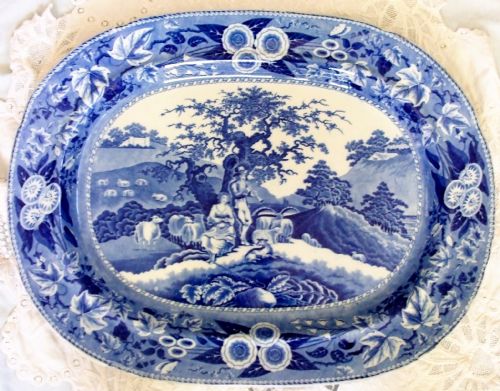
- Pottery or porcelain decorated by applying a monochrome printed design from an engraved copper plate onto the ceramic surface. This technique enabled mass production of intricate pictorial scenes like blue and white landscapes.
- Charger
- A large decorative plate or shallow bowl typically displayed on a wall or sideboard rather than used for direct serving. These pieces often feature elaborate polychrome painting or metal engraving.
- Comport
- A raised dish or bowl on a foot, used for serving fruit or dessert. They feature prominently in nineteenth-century formal table settings.
- Ormolu
- Gilded bronze used widely for mounts, stands, and decorative frames on nineteenth-century glass and ceramic serving pieces.
Decorative Serving Dishes: Frequently Asked Questions
How were serving dishes used?
Historic serving dishes held meats, fruits, and side dishes at formal dining tables during the Georgian and Victorian periods. Large platters accommodated substantial roasts, while comports elevated fruit for dessert courses.
Many large chargers and trays served as decorative centrepieces on sideboards or dining tables when not actively holding food. Over time, numerous functional dishes transitioned into purely decorative cabinet pieces displayed for their artistic merit.
Can I use antique dishes for food?
While many ceramic and metal dishes remain physically robust enough to hold food, antique glazes from earlier centuries can contain lead or other substances not suited for modern consumption. Enamels and gilt surfaces also risk damage from acidic foods and modern dishwashing detergents.
For practical dining, it is safer to use these pieces for dry presentation, such as holding fruit or bread, or to reserve them entirely for display. Hand washing in lukewarm water without harsh abrasives preserves the delicate surface decoration.
How do I date a transferware platter?
Dating transferware involves examining the ceramic body, the colour tone of the blue transfer print, and any factory marks stamped or impressed on the reverse. Earlier pieces often feature finer-grained earthenware with softer, deeper blue hues, while later Victorian items show crisper, brighter printing techniques.
Registry marks or specific pattern names, such as specific landscape titles, provide further clues by linking the design to exact manufacturing years in factory archives.
What is the difference between Imari and Japanese Imari?
Japanese Imari refers specifically to porcelain manufactured in the town of Arita and exported through the port of Imari during the Edo period and later. These pieces feature the characteristic palette of cobalt blue and iron red with added gold.
European factories like Royal Crown Derby subsequently copied these distinct Japanese aesthetics, producing their own versions using local porcelain bodies and enamels. Comparing the paste and foot-rim helps distinguish European interpretations from authentic Japanese imports.