





Decorative Room Screen
A decorative room screen divides a space with painted panels, textiles, or carved woodwork, bringing art and flexible privacy into an interior.
Decorative Room Screen
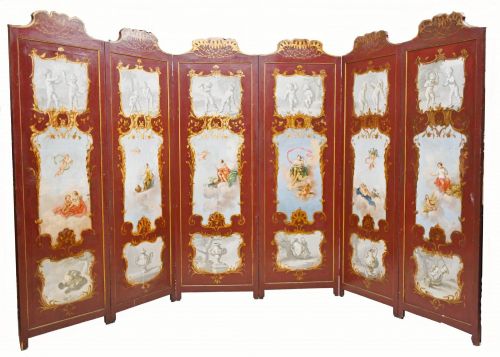
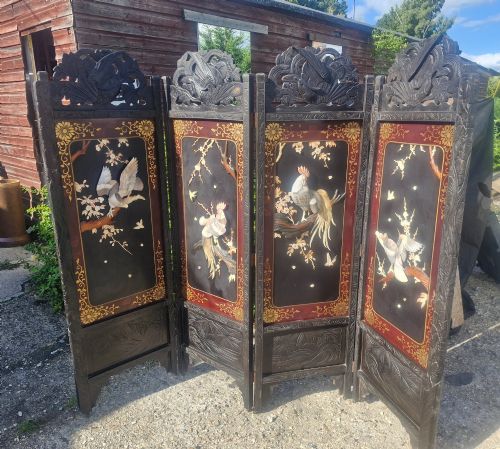
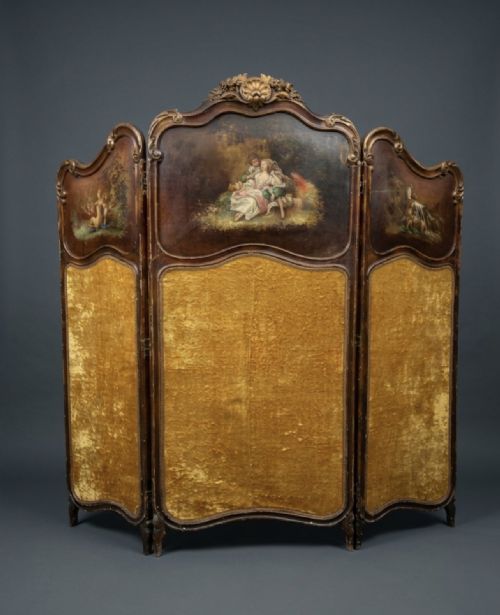
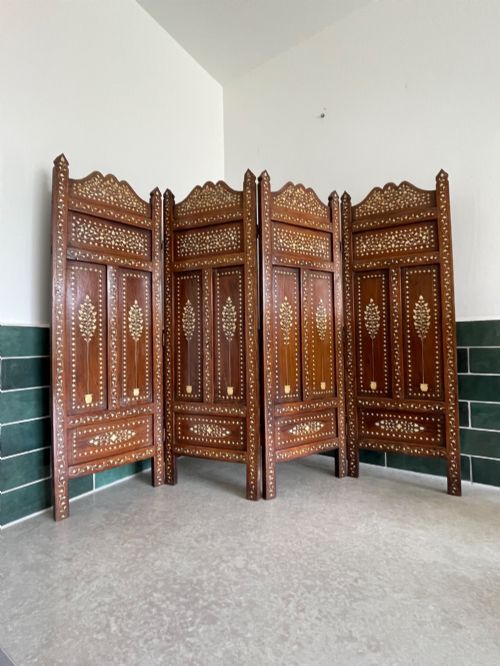
A decorative room screen typically takes the form of a folding partition with multiple hinged panels designed to segment living spaces or shield fireplaces. Buyers searching for a decorative room screen encounter various configurations, from towering six-panel Asian lacquer models to compact three-fold French walnut versions and smaller table-top designs.
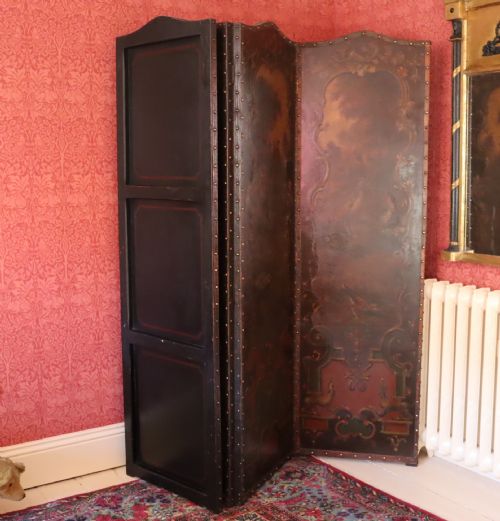
The selection ranges across several centuries, featuring nineteenth-century examples alongside eighteenth-century leather pieces and mid-twentieth-century variations. Common formats include folding room dividers, dressing screens, modesty screens, and fire screens intended to sit before a hearth.
Origins span widely across global traditions, incorporating Chinese hardwood and Japanese Meiji craftsmanship, French Rococo revival styles, Anglo-Indian woodwork, and Persian or Chinoiserie aesthetics. These objects serve both a practical domestic function and a significant visual role within a room.
Materials and construction
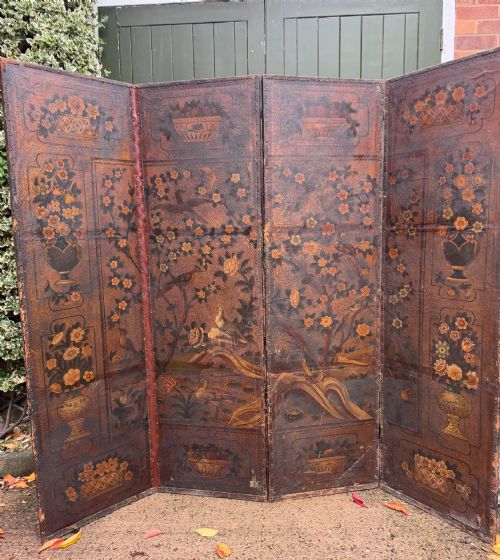
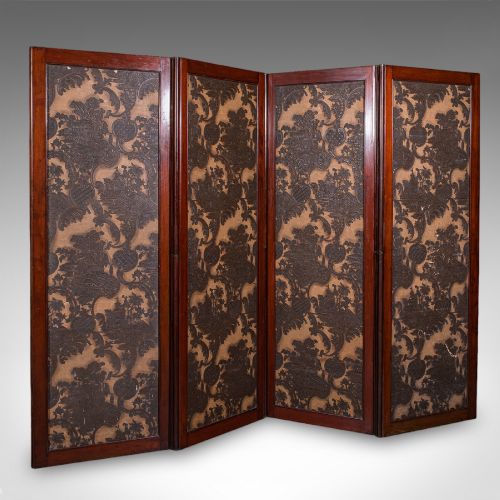
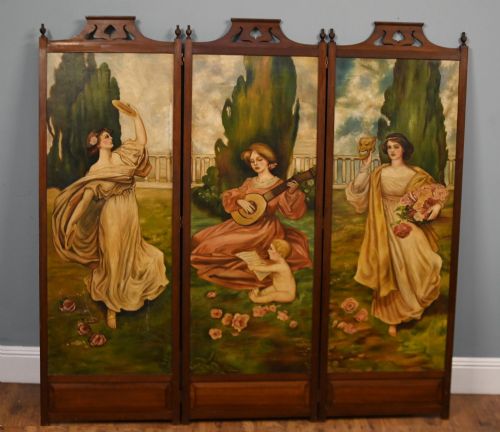
Makers constructed these panels using substantial timbers such as oak, walnut, hardwood, and giltwood, often assembling folding frames with brass hinges. Surfaces received elaborate treatments including oil paint, lacquer, hand-painted leather, canvas, and woven textiles like Aubusson tapestry or velvet.
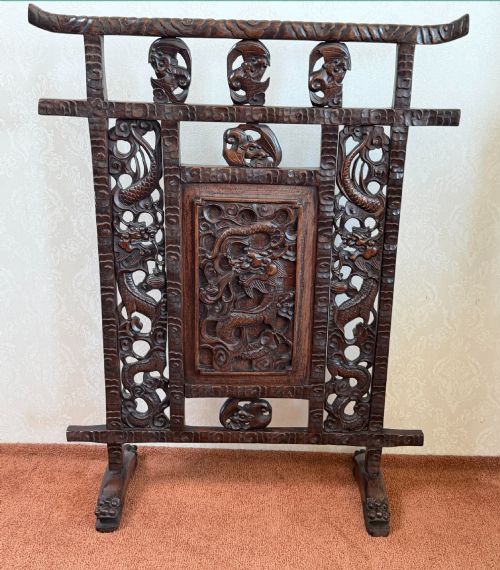
Many examples incorporate intricate decorative techniques such as deep bone carving, hardstone mounting, and gilt embossing. Japanese and Chinese workshops utilised detailed lacquer work and inlay, while European makers applied hand-painted pastoral scenes or textile upholstery.
Decorative Room Screen Retail Price Guide 2026
Typical asking prices for decorative room screen among the pieces listed under this phrase on Sellingantiques today, from the lower quarter to the upper quarter. They describe what is for sale here now, not the wider market.
The object forms range from multi-fold room dividers and dressing screens to compact fire screens and table-top displays.
Distinctions in quality
Quality reveals itself in the execution of the surface artwork and the integrity of the structural joinery. Finer pieces display meticulous hand-painted details, deep carving, or precise inlay work rather than simple printed decoration.
The choice of materials dictates the standing of the piece, with solid hardwoods, Cordoban leather, and genuine lacquer separating superior examples from simpler painted softwood constructions. Original hardware, well-fitted hinges, and preserved textiles further elevate a screen's status.
Paul Sormani·William Morris
The Decorative Room Screen Glossary
- Chinoiserie
- European decorative style reflecting Chinese artistic influences, frequently seen on lacquered or painted screens. This aesthetic dominated many eighteenth and nineteenth-century interior designs.
- Cordoban leather
- Spanish leather that has been heavily worked, hand-painted, and gilt embossed for opulent wall hangings and screens. It provides a rich, textured surface.
- Fire screen
- A small or single-panel screen placed in front of an unused fireplace to block drafts or decorate the hearth. These often feature needlework or painted glass.
- Modesty screen
- A small nineteenth-century screen used to shield a person from view or protect them from radiant heat. They are typically lighter and more portable than full room dividers.
- Meiji
- The period in Japanese history spanning from eighteen sixty-eight to nineteen twelve, known for exceptional craftsmanship in lacquer, bronze, and inlaid screens. Pieces from this era often feature bone and ivory figures.
- Aubusson
- A style of tapestry woven in France, frequently incorporated into nineteenth-century decorative frames. These panels display intricate floral or pastoral motifs.
Decorative Room Screen: Frequently Asked Questions
How were decorative room screens used historically?
Historically, these screens partitioned large draughty rooms, created private dressing areas within bedrooms, and shielded occupants from the intense heat of open fires. They offered a flexible way to alter the layout and atmosphere of an interior without altering permanent walls.
In domestic settings, smaller table screens sat on desks or sideboards purely for visual pleasure. Photographic prop screens also appeared later as decorative backdrops for portrait studios.
What styles are available for these screens?
The available styles range widely across different cultural traditions and European revival periods. Examples include Chinese Chinoiserie, Japanese Meiji woodwork, French Rococo revival, Anglo-Indian craftsmanship, and Persian revival designs.
Arts and Crafts pieces also feature alongside nineteenth-century Victorian interpretations and Continental Baroque forms. Each style brings distinct motifs and materials to the partition.
How do I care for a leather or lacquered screen?
Leather and lacquered surfaces require protection from direct sunlight, excessive heat, and radical humidity shifts, which can cause cracking or warping. Dust them gently with a dry, soft cloth rather than using liquid cleaning products.
Positioning the screen away from heat sources and damp areas preserves the delicate paintwork, gilt embossing, and original hinges. Careful handling of the folding panels prevents stress on the structural joints.
How can I tell the period of a screen?
Dating relies on examining the construction methods, hinge types, wood species, and the style of the artwork or textiles. Eighteenth-century pieces often utilise heavy embossed leather, while nineteenth-century versions frequently display hand-painted canvas or elaborate floral motifs.
Twentieth-century examples might incorporate different lacquer techniques or specific fabric choices like William Morris velvet. Comparing the decorative details to documented regional styles helps confirm the era of origin.