






Decorative Pottery Statue
These decorative pottery statue examples span centuries and origins, offering character and craftsmanship for any room.
Decorative Pottery Statue
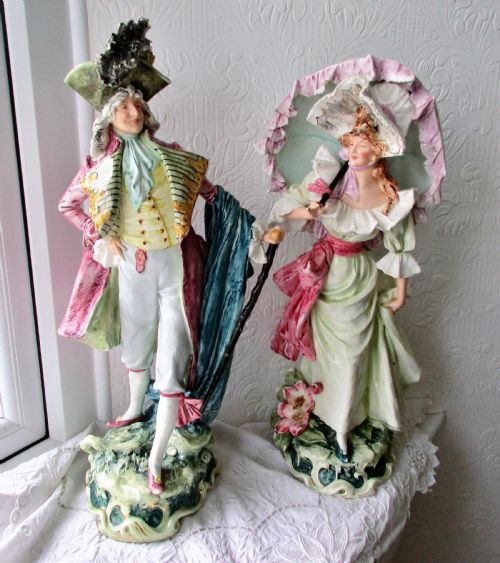
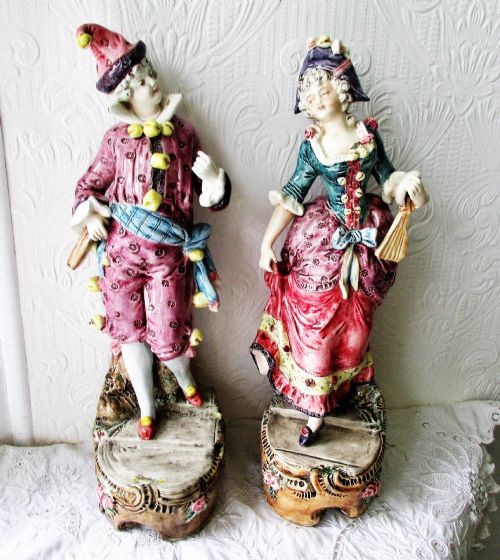
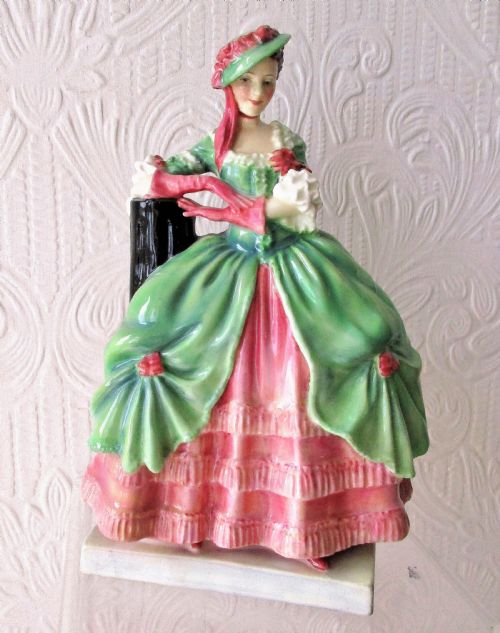
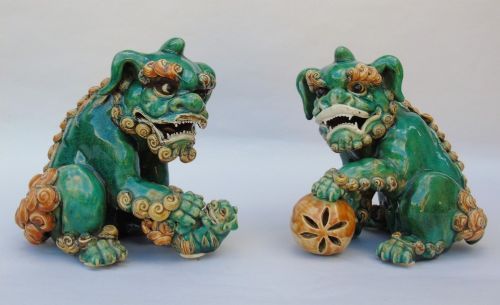
A decorative pottery statue brings figurative sculpture into domestic spaces using fired clay, earthenware, or porcelain. When you search for a decorative pottery statue, you encounter everything from English Victorian figures to Chinese earthenware lions and French faience couples.
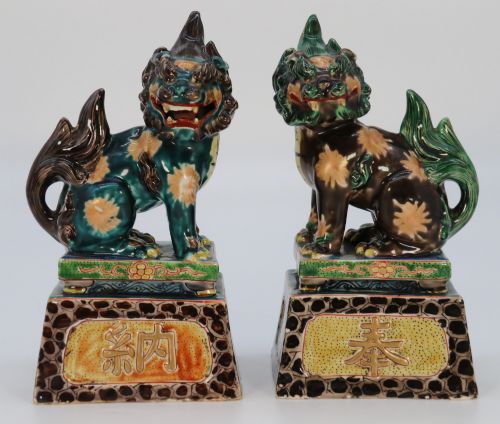
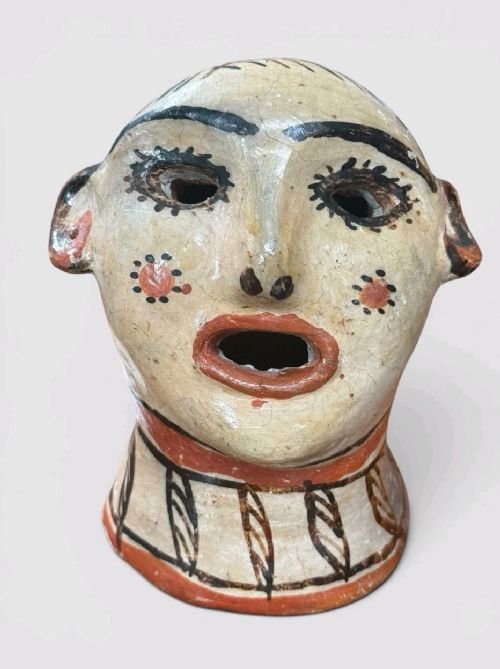
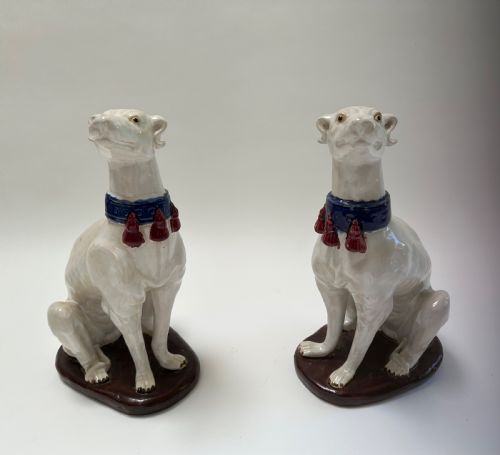
The pieces on this page include pairs of animals, human figurines, classical bookends, and sculptural busts. Animal representations range from dogs of fo and owls to ducks and majolica dogs.
Origins stretch across European, Asian, and South American traditions, encompassing styles from Victorian and Art Deco to Ming style and Peruvian folk art.
Materials and construction methods
Makers shaped these works from earthen clays, terracotta, and fine porcelain before applying glazes, enamel, or gold leaf. Techniques combine hand sculpting with mould casting, followed by high-temperature firing to vitrify the ceramic body.
Glazing methods include sancai multi-coloured lead glazes, majolica tin-glazes, and vibrant enamel painting. Bases often utilise ebonised wood or integrated ceramic plinths to support the weight of the sculpture.
Decorative Pottery Statue Retail Price Guide 2026
Typical asking prices for decorative pottery statue among the pieces listed under this phrase on Sellingantiques today, from the lower quarter to the upper quarter. They describe what is for sale here now, not the wider market.
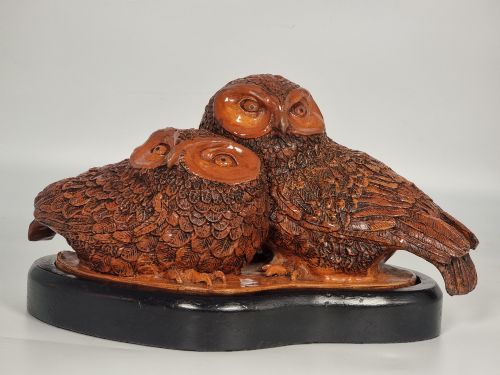
Ebonised bases keep the pottery owls firmly grounded while they peer across the room.
Assessing quality in ceramic sculpture
Quality rests in the precision of the modelling and the depth of the surface decoration. Hand-sculpted details show individual artistry, whereas mass-produced factory output relies on standard moulds.
Glaze application distinguishes finer works, where colours remain controlled and uniform across complex forms. The preservation of original enamel and gold leaf without overpainting maintains the integrity of the piece.
John Bevington·Royal Doulton·Goldscheider·Compton Potters Art Guild
The Decorative Pottery Statue Glossary
- Earthenware
- Porous pottery fired at lower temperatures than stoneware or porcelain. It requires a glaze to become impermeable to liquids.
- Sancai
- A traditional Chinese three-colour lead glaze technique. It typically uses amber, green, and creamy white tones.
- Faience
- European tin-glazed earthenware. It is known for its opaque white background and painted decoration.
- Okimono
- A small Japanese decorative sculpture. These pieces were traditionally displayed in house interiors.
Decorative Pottery Statue: Frequently Asked Questions
What materials make up a decorative pottery statue?
These sculptures utilise various ceramic bodies including earthenware, terracotta, stoneware, and fine porcelain. Surface finishes incorporate coloured glazes, enamel, and occasional gold leaf details.
Clay preparation and firing temperatures determine whether the finished object is porous earthenware or fully vitrified porcelain.
How do I care for antique ceramic figures?
Keep ceramic sculptures out of direct sunlight to prevent fading on painted enamel and gilt surfaces. Dust them gently with a soft dry brush rather than liquid cleaners.
Avoid moving heavy pieces by protruding limbs or delicate appendages like wings or weapons to prevent breakage.
How are different periods of pottery figures told apart?
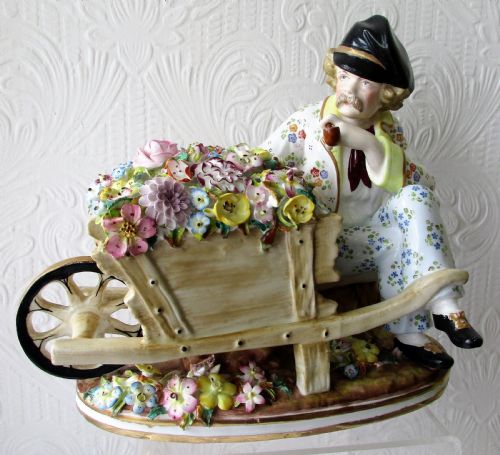
Victorian and nineteenth-century pieces often feature romantic subjects, gardeners, or animals with rich underglaze colours. Earlier styles reference classical forms or traditional Asian glazing techniques like sancai.
Twentieth-century examples move toward Art Deco stylisation, studio pottery forms, and folk art interpretations.
Were these statues meant for display or use?
Most of these ceramic sculptures served purely decorative purposes on mantelpieces, pedestals, or cabinets. Some functional items like bookends combine sculptural figures with heavy bases to hold volumes upright.
Figurines often commemorated literary characters, historical figures, or cultural archetypes of their era.