







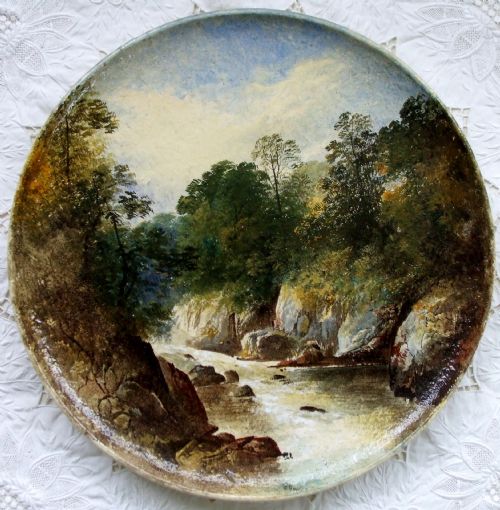
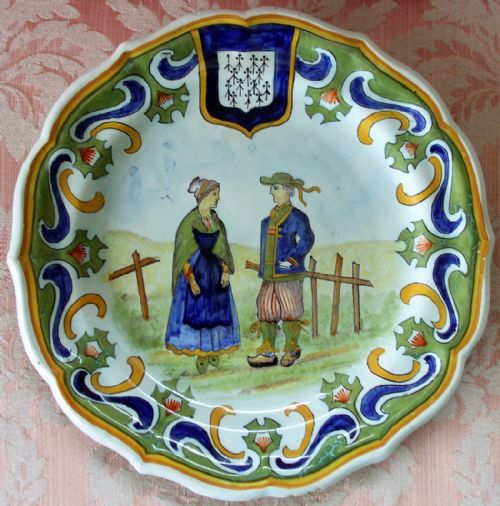
Decorative Pottery Dish
A decorative pottery dish brings colour and history to a room through painted earthenware, tin glaze and transferware.
Decorative Pottery Dish
A decorative pottery dish encompasses a wide variety of ceramic forms, from 18th-century tin-glazed chargers and blue-and-white platters to Japanese Satsuma bowls and Art Deco plates. When searching for a decorative pottery dish, collectors encounter pieces spanning several centuries, originating from English potteries, European faience workshops and Japanese kilns.
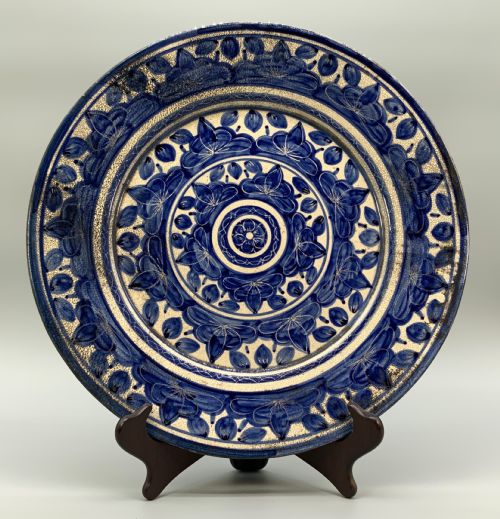
The selection ranges from large wall-hanging chargers and deep serving bowls to dessert plates and commemorative plaques. Examples include Dutch and English delftware, Minton and Wedgwood wares, and hand-painted majolica from the 19th and early 20th centuries.
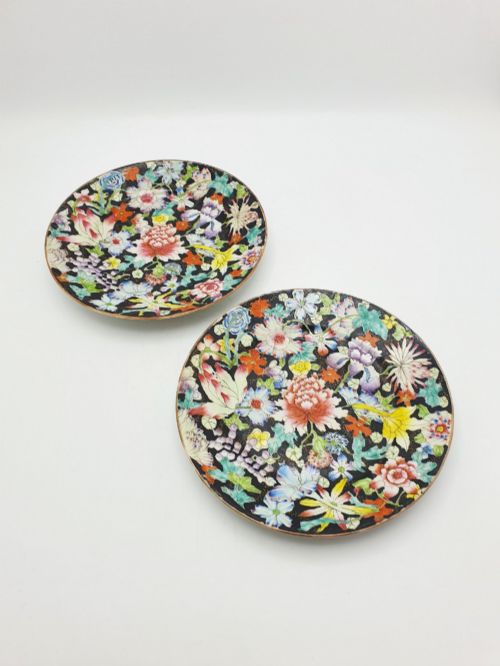
Most items found here reflect either traditional domestic utility adapted for display or pieces made specifically for visual ornamentation. The styles shift from early blue-and-white Chinoiserie and floral patterns to bold Art Deco designs and intricate Meiji period Satsuma gilding.
Materials and methods of manufacture
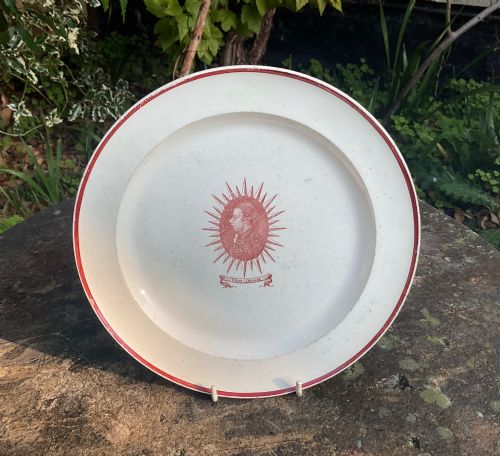
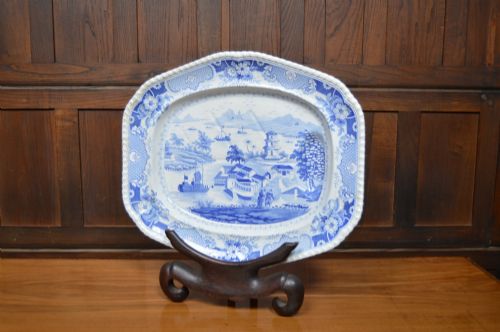
Makers utilised earthenware, stoneware and porcelain as the primary body materials, shaping them on a potter's wheel or pressing them into moulds. Tin glazing created an opaque white surface suitable for direct painting, whilst transfer printing allowed complex patterns like 'India Temple' or 'Piping Shepherd' to be applied mechanically before firing.
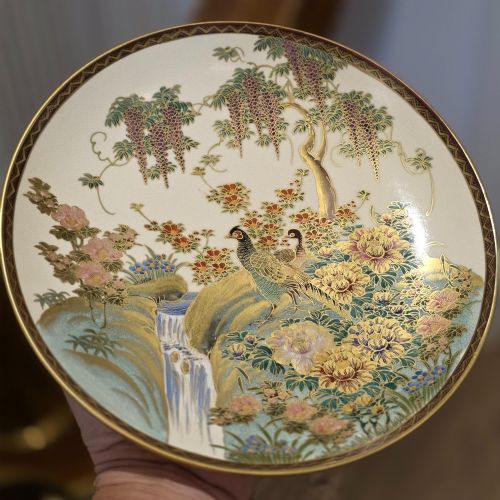
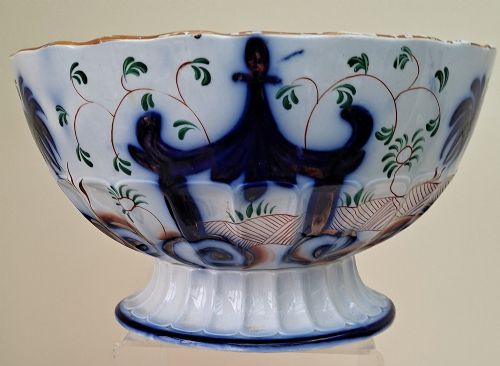
Decoration relied on enamel colours, cobalt blue underglazes and supplementary details in gold leaf or gilt. Japanese Satsuma pieces employed fine earthenware finished with intricate hand-painted enamels and raised gilding, whereas English ironstone and stoneware offered durability through high-temperature firing.
Decorative Pottery Dish Retail Price Guide 2026
Typical asking prices for decorative pottery dish among the pieces listed under this phrase on Sellingantiques today, from the lower quarter to the upper quarter. They describe what is for sale here now, not the wider market.
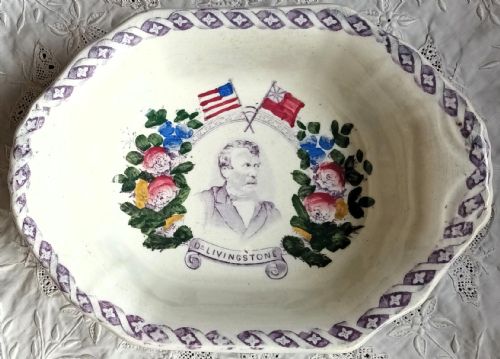
Several Victorian decorators clearly believed that no sideboard was complete without a plate dedicated entirely to Dr. Livingstone or a wandering sheep.
Factors that distinguish finer pieces
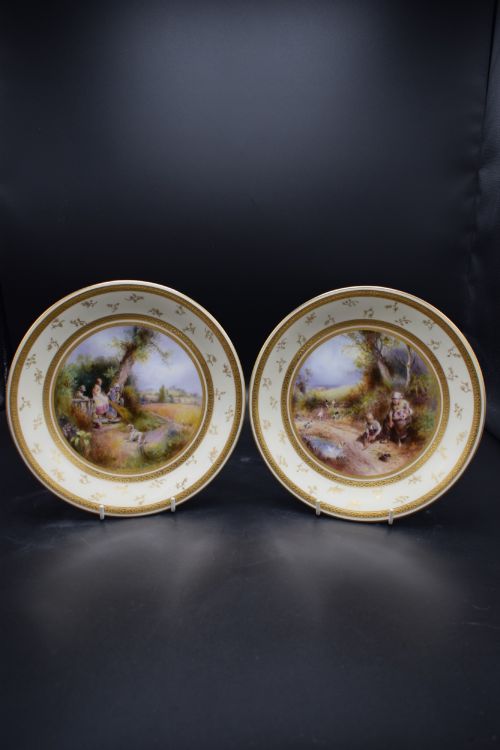
Quality rests upon the crispness of the modelling, the control of the glaze and the precision of the hand-painted or transferred design. Finer pieces display deliberate brushwork, balanced polychrome palettes and well-defined details without blurring or running in the kiln.
Signature marks, artist attributions and recognised factory stamps elevate certain items, indicating production by skilled hands or notable workshops such as Doulton, Wedgwood or distinguished Satsuma studios. The depth of the glaze and the preservation of gilt highlights also differentiate standard utilitarian wares from superior artistic examples.
Koshida·J.W.R.·Minton·Copeland·Gyokkō·Kozan·Mann & Co·Doulton Burslem·Toshozan·John Ridgway·Kinkozan·Doulton Lambeth·Nikko·Hododa·Masons·James Hodgkiss·Clarice Cliff
The Decorative Pottery Dish Glossary
- Charger
- A large decorative plate or dish, traditionally used for serving food or displayed upright on a sideboard.
- Tin-Glazed Earthenware
- Pottery covered with a glaze containing tin oxide, which fires to an opaque white finish that accepts painted decoration.
- Transferware
- Ceramics decorated by pressing an engraved copper plate design onto tissue paper and transferring it to the unglazed or bisque ceramic body.
- Satsuma
- Japanese earthenware pottery featuring a crackle-glaze ivory body decorated with detailed polychrome enamels and gilding.
- Majolica
- Heavy earthenware pottery coated with a colourful opaque lead glaze, popular during the Victorian era for naturalistic animal and plant forms.
Decorative Pottery Dish: Frequently Asked Questions
How do I hang a heavy charger safely?
Heavy chargers and platters require specialised wall hangers featuring spring-loaded brass clips that distribute the weight evenly across the rim. Ensure the fixing is secured directly into wall studs or masonry rather than plaster alone.
Avoid wire attachments that rely on adhesives or friction pads, as ceramic items can slip over time. Check the stability of the mounting periodically to protect the piece from accidental knocks.
Were these dishes meant for food?
Many historical dishes, particularly 18th-century delft chargers and large platters, served functional roles at the dining table before transitioning to purely decorative items. Others, such as Satsuma bowls or commemorative plaques, were created specifically for visual display.
Using older ceramics for dining requires caution, as historic glazes may contain lead and fragile overglazes can be damaged by cutlery. Modern display stands or wall mounts preserve the integrity of antique surfaces.
How can I tell Japanese Satsuma from European wares?
Japanese Satsuma is characterised by a distinctive cream-coloured or ivory earthenware body covered in a fine, microscopic network of craze lines in the glaze. The decoration typically combines dense, intricate enamel work with extensive raised gilding.
European imitations or contemporaneous majolica pieces use different clay bodies and glazing techniques without the signature crackle-finish typical of traditional Satsuma production. Artist signatures and factory stamps on the base often confirm the exact origin.