

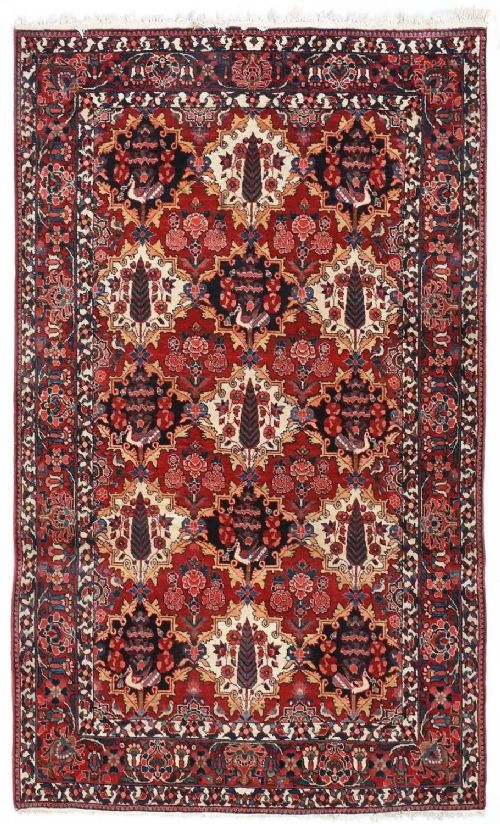


Decorative Persian Floor Carpet
A decorative persian floor carpet brings warmth and traditional pattern to a room, grounding the space with centuries of hand-knotted heritage.
Decorative Persian Floor Carpet
A decorative persian floor carpet spans regional styles such as Heriz, Mahal, and Sultanabad, originating from workshops and tribal communities across the region. Buyers searching for a decorative persian floor carpet encounter large room-size formats alongside smaller formats like kelleh rugs, dating predominantly from the late nineteenth century through to the early decades of the twentieth century.
The aesthetic ranges from bold geometric medallions found in Heriz examples to intricate floral field designs seen in Sultanabad and Oushak pieces. These textiles served both practical flooring purposes and decorative functions in domestic interiors, utilising traditional motifs passed down through generations of weavers.
Materials and construction methods
The construction of these floor coverings relies primarily on wool piles knotted onto cotton foundations, utilising hand-spun wool for durability and rich texture. Weavers employed traditional hand-knotting techniques, securing each tuft by hand to create dense, resilient surfaces capable of withstanding heavy daily use.
Natural dye traditions provided the palette for these textiles, binding deep reds, indigos, and ivories into the fibres. The combination of sturdy cotton warps and hand-spun wool ensures the structural integrity seen across these nineteenth and twentieth-century examples.
Tree of life designs remind everyone that sheep probably appreciate good scenery just as much as weavers do.
Assessing quality and craftsmanship
Knot density and the precision of the weave dictate the structural caliber of each floor covering, separating robust tribal productions from fine workshop pieces. Finer knotting allows for crisper execution of intricate medallion and floral layouts, showing greater control over the underlying design.
The handling of the wool and the consistency of the dye saturation distinguish superior examples from standard ones. Material choice and hand-spinning execution directly influence how the pile ages under foot, retaining depth of colour over decades of use.
The Decorative Persian Floor Carpet Glossary
- Kelleh
- A long, narrow room carpet format. This rectangular proportion sits comfortably in hallways or specific seating arrangements.
- Medallion
- A central decorative motif placed in the field of a carpet. It forms the geometric focal point of the composition.
- Warp
- The vertical foundation threads running the length of the rug. Cotton foundations provide the structural grid for the knotted pile.
- Pile
- The soft, raised surface formed by the ends of hand-tied knots. Wool constitutes the primary material for this upper layer.
- Field
- The central background area enclosed by the border. This space displays the primary pattern or medallion.
Decorative Persian Floor Carpet: Frequently Asked Questions
How do I clean an antique carpet?
Vacuum gently without using a rotating brush roll to protect the wool pile from unnecessary friction and fibre loss.
Professional specialist cleaning is recommended for deep washing to preserve the integrity of the natural dyes and cotton foundation.
Where were these carpets made?
Production centres include renowned weaving towns and regions such as Heriz, Mahal, Sultanabad, and Bakhtiari. Tribal groups also contributed distinct regional designs.
Each location developed characteristic motifs, palette choices, and structural techniques that define its output.
Are these rugs suitable for high traffic?
The dense hand-spun wool pile and sturdy cotton foundations provide natural durability suited to everyday residential environments.
Using a quality underlay helps absorb foot pressure and prevents slipping, extending the lifespan of the textile.
How do I identify different regional styles?
Regional attribution relies on examining the specific geometry of the central medallions, border arrangements, and overall palette. Heriz pieces lean toward bold, architectural geometry, whereas Mahal and Sultanabad examples often feature sweeping floral displays.
Comparing knot structure and foundation materials offers further clues regarding the specific origin of the piece.