



Decorative Painted Tin
Decorative painted tin and tin-glazed pottery pieces offer bright surfaces and enduring utility for domestic interiors.
Decorative Painted Tin
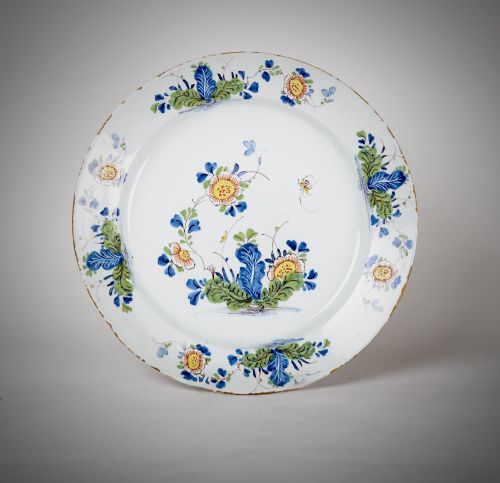
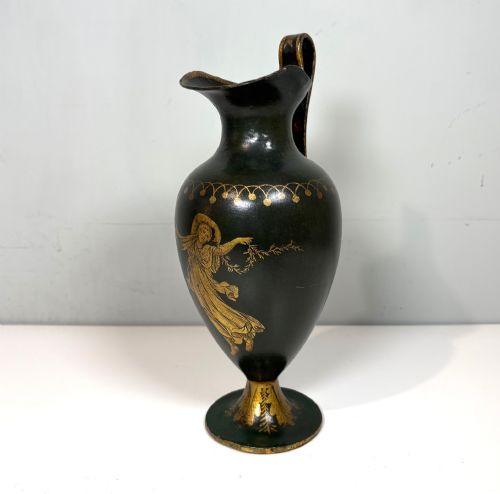
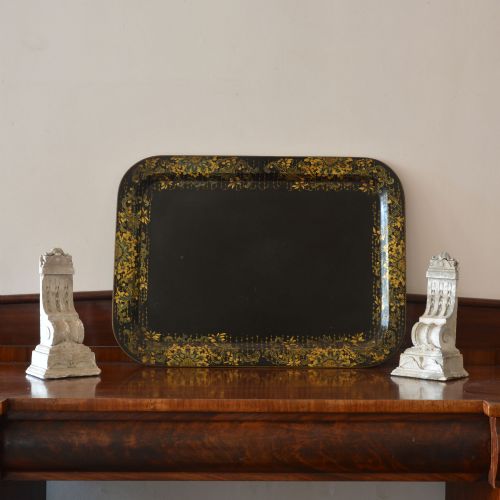
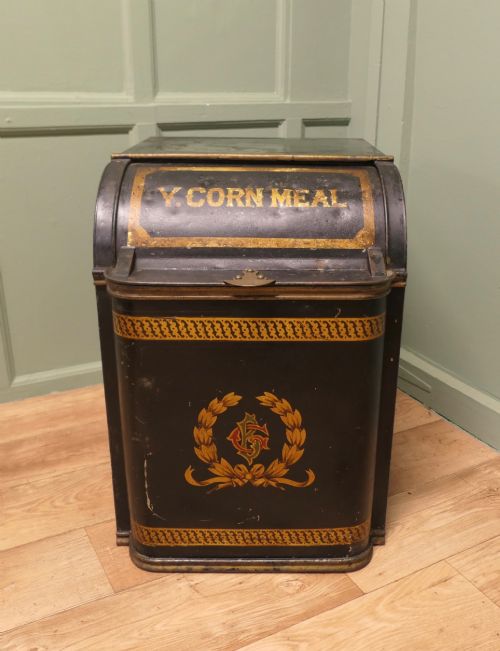
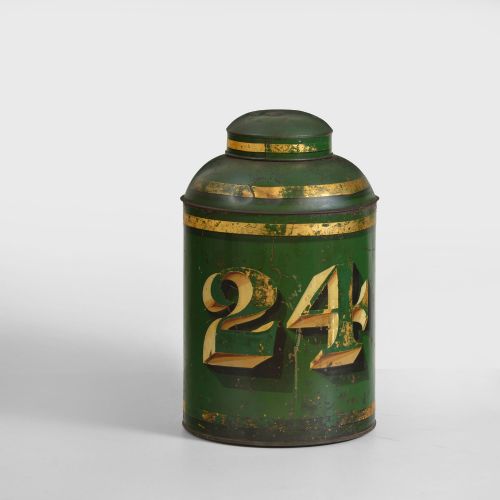
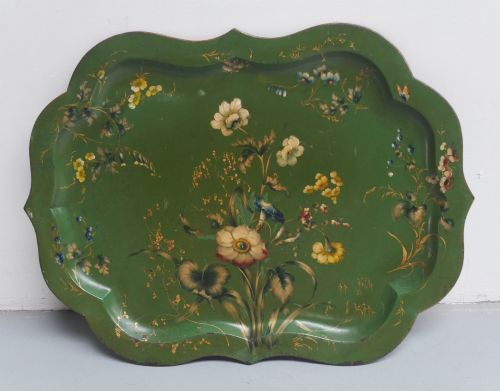
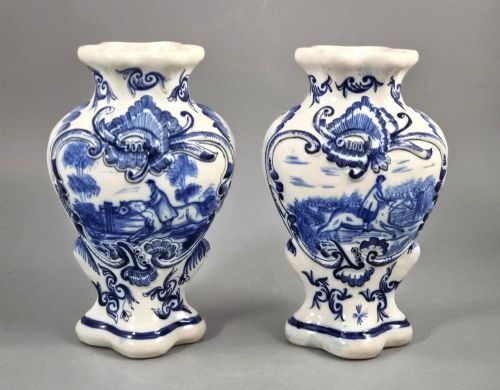
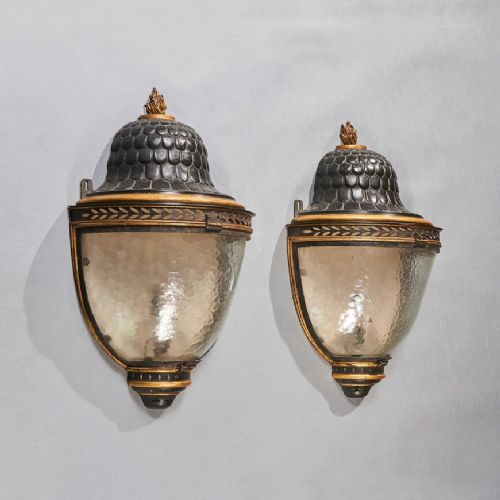
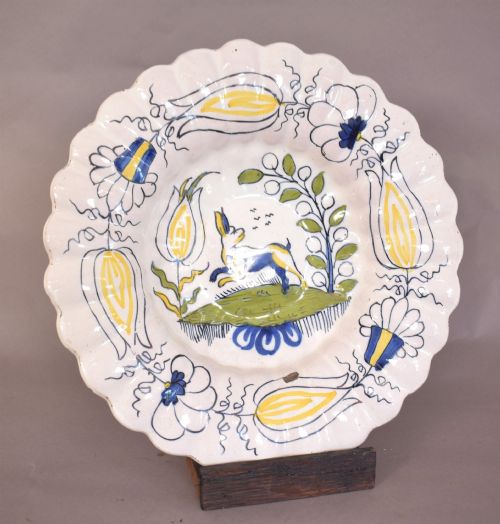
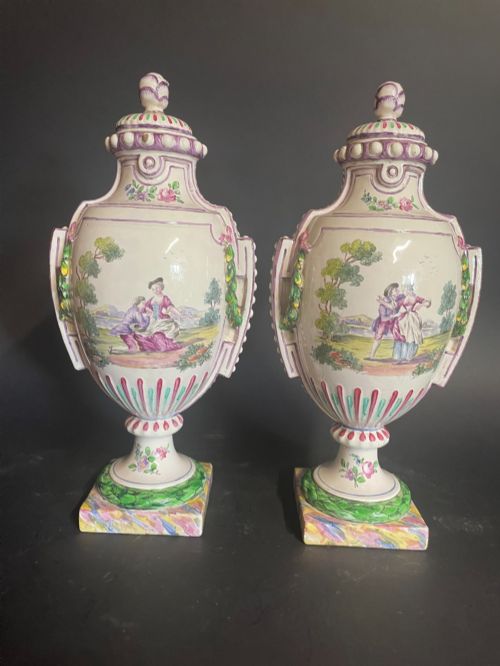
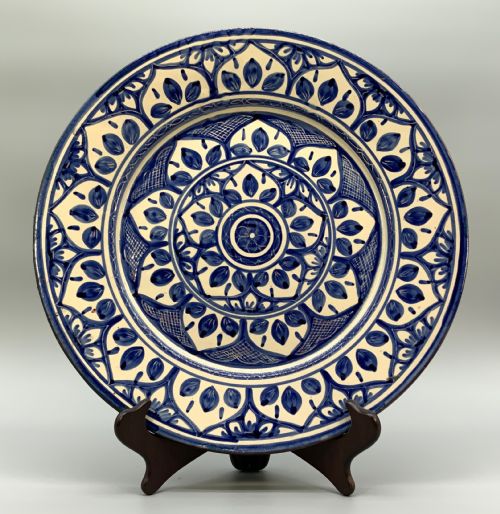
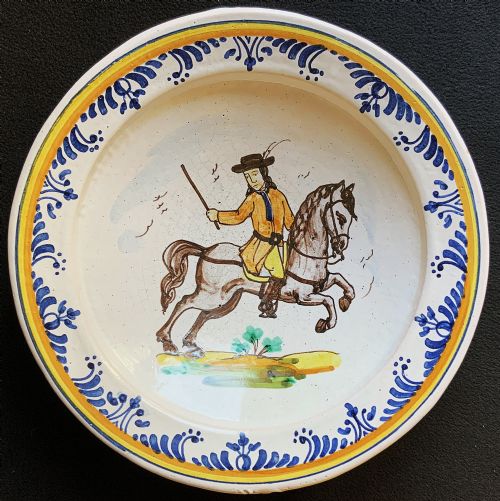
When searching for decorative painted tin alongside related tin-glazed earthenware and faience, buyers encounter chargers, tea canisters, toleware trays, and wall lanterns. These objects span from the seventeenth century through the Victorian period, originating from English, French, Dutch, and Italian workshops.
The domestic forms recorded on this page serve both display and storage purposes. Large chargers and plates are meant for wall hanging or dresser display, while tea canisters, bins, and trays provide functional containers finished with pigment and varnish.
How they were made
The material base divides into metal sheet for toleware and tinplate items, and earthenware bodies for tin-glazed items such as Delft and faience. Toleware relies on japanning or paint applied over iron or tinplate sheets, occasionally complemented by parcel gilt highlights.
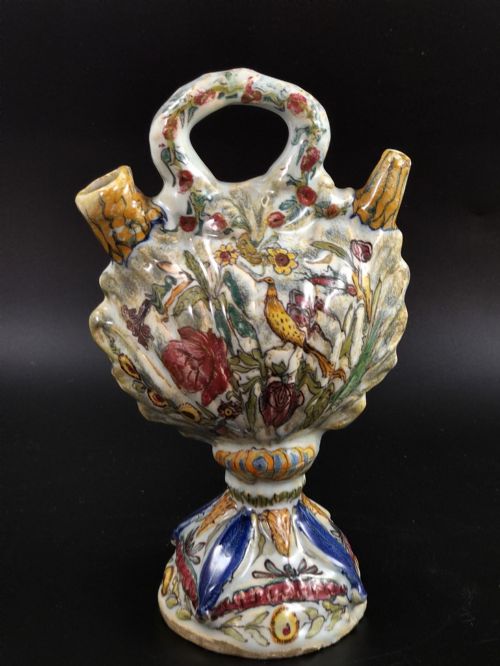
Pottery items utilise tin glaze to create an opaque white ground that accepts polychrome or blue and white pigments before firing. Paint layers on metal objects require careful sealing and varnishing to protect the decorated surface from wear.
Decorative Painted Tin Retail Price Guide 2026
Typical asking prices for decorative painted tin among the pieces listed under this phrase on Sellingantiques today, from the lower quarter to the upper quarter. They describe what is for sale here now, not the wider market.
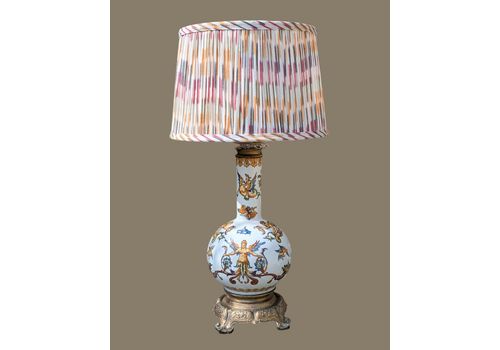
The documented forms range from large wall chargers and ewers to tea canisters, waste paper bins, and table lamps.
What varies in quality
Quality rests upon the crispness of the hand-painted detail and the stability of the ground surface. Superior examples display confident brushwork in historical scenes, botanical motifs, or Chinoiserie patterns rather than mechanical stencilling.
Preservation of the original paint or glaze dictates the desirability of each piece. Minimal flaking, intact parcel gilt, and original hardware distinguish better preserved items from those with heavy overpainting or structural oxidation.
Fourmaintraux-Courquin at Desvres·Veuve Perrin, Marseille·H. Meeson
The Decorative Painted Tin Glossary
- Toleware
- Painted and japanned metalware produced in Britain and Europe, often taking the form of tea canisters, trays, and urns. The technique involves layers of varnish applied over metal substrates.
- Delftware
- Tin-glazed earthenware originating from the Netherlands and England, commonly finished in blue and white or polychrome palettes. Production spans domestic plates, chargers, and jars.
- Japanning
- European imitation of East Asian lacquerwork using heat-dried varnish layers on metal or wood. This finish provides a dark, glossy protective coating.
- Charger
- A large decorative plate intended for display on walls or sideboards rather than dining use. These pieces often carry elaborate historical or floral paintings.
Decorative Painted Tin: Frequently Asked Questions
How do I clean decorative painted tin?
Dust surfaces gently with a dry, soft cloth to protect the painted finish and varnish layers. Avoid water, abrasive cleaners, and chemical solvents that damage historical paint.
Keep items away from direct sunlight and damp environments to prevent the metal substrate from corroding and the paint from flaking.
What is the difference between toleware and tin-glaze?
Toleware consists of painted or japanned sheet metal, such as iron or tinplate, fashioned into domestic objects like trays and canisters. Tin-glaze refers to earthenware pottery covered with an opaque white metallic glaze before painting.
Both categories fall under decorative painted wares but utilise entirely different material bases and firing processes.
Can these tea canisters still store food?
Antique tea canisters and grocery bins served practical storage roles in past centuries but now function primarily as decorative objects. The interior surfaces often show corrosion, residue, or dried varnish.
Using them for modern food storage is generally discouraged to protect both the contents and the fragile historical interior.
How do I date an antique painted tin item?
Dating relies on stylistic clues, the construction methods of the metal body, and the composition of the paint layers. Fastened seams, hand-forged hinges, and specific pigment palettes help narrow down the period of manufacture.
Comparing decorative motifs with dated examples in museum collections provides further chronological context for unsigned pieces.