


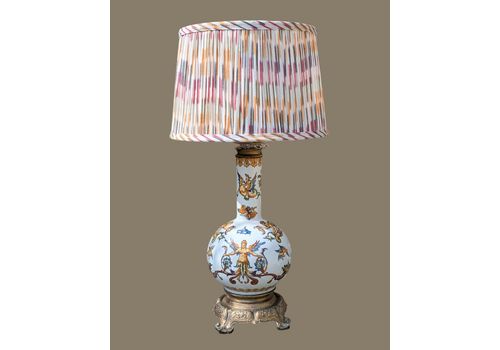
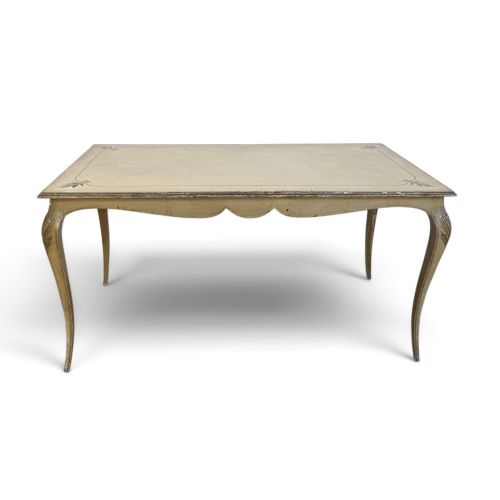
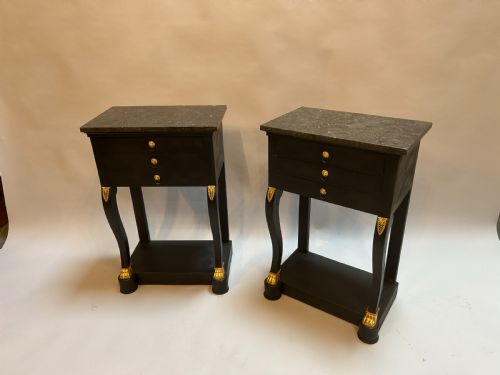
Decorative Painted Table
These decorative painted table pieces combine utilitarian surfaces with vibrant brushwork, offering a striking focal point for traditional and eclectic interiors alike.
Decorative Painted Table
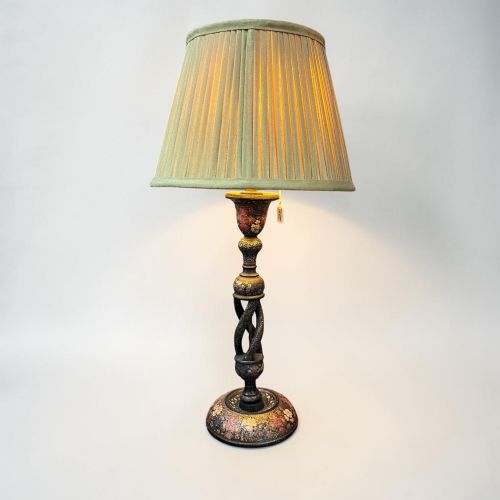
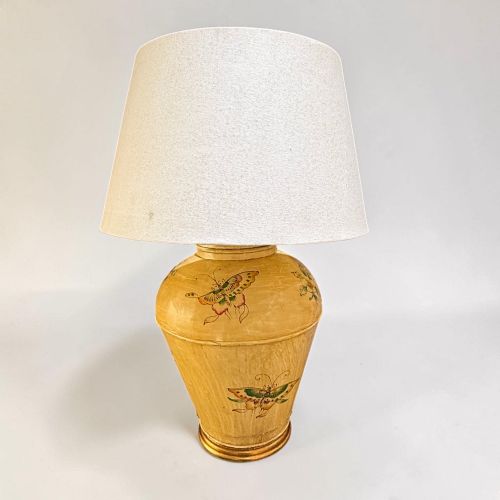
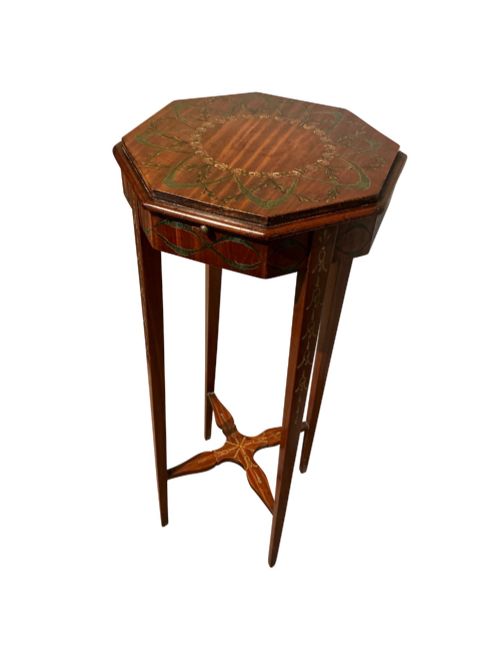
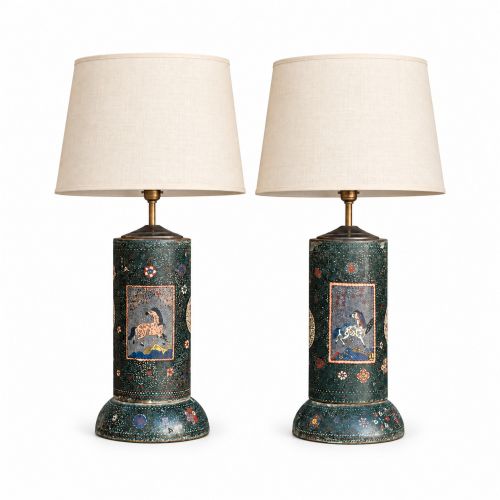
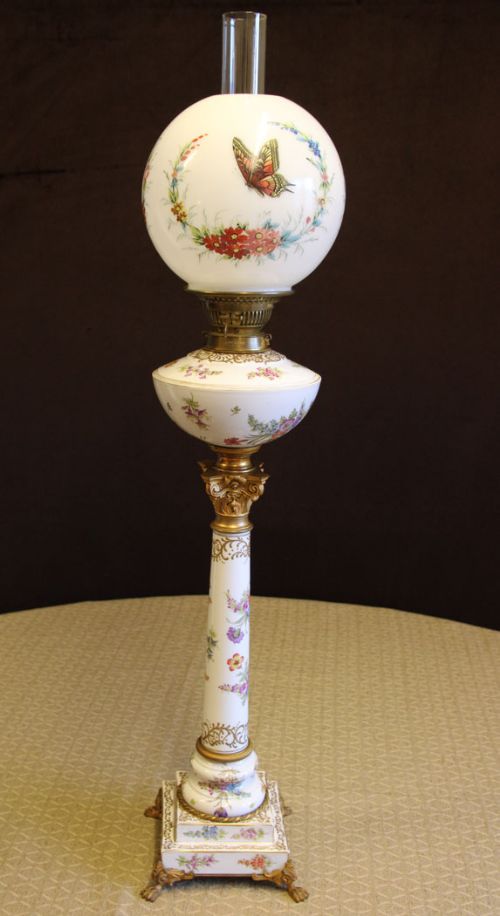
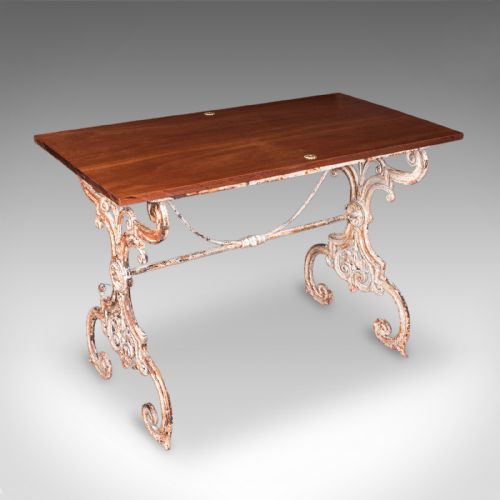
A decorative painted table brings hand-finished artistry to everyday furniture forms, originating from periods spanning the nineteenth century through the early decades of the twentieth. These pieces typically take the shape of occasional tables, side tables, and occasional lamp stands.
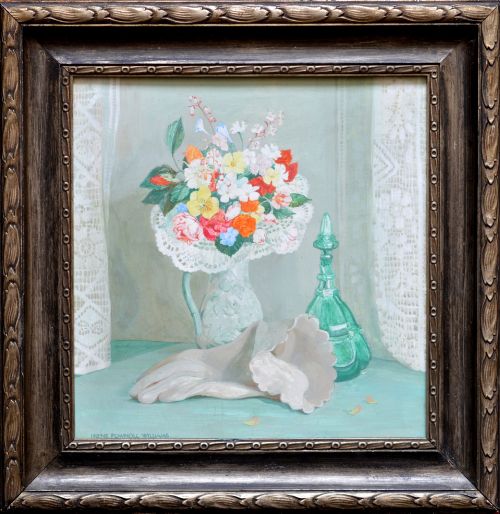
The aesthetic draws on diverse stylistic traditions, including French Rococo Revival, Chinoiserie, and Neoclassical designs. Buyers frequently encounter examples featuring floral motifs, pastoral scenes, or Japanned surfaces applied to wood and supporting structures.
How They Were Made
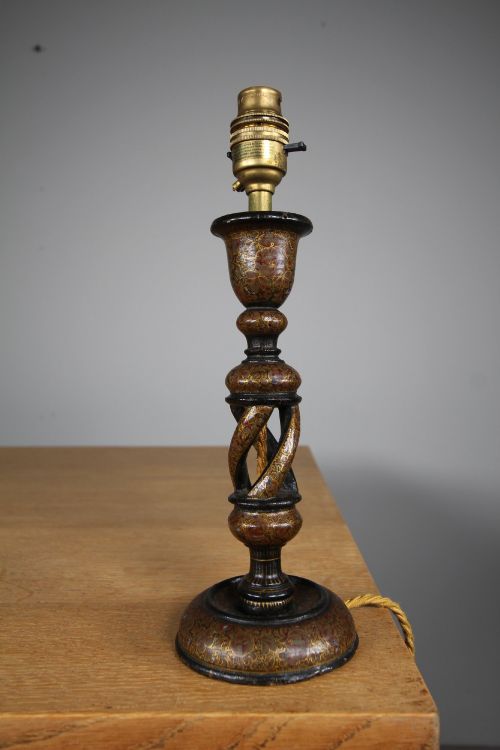
Craftsmen utilised timber bases such as satinwood, applying a foundation layer of paint before detailing the surface with polychrome pigments, gilt, or lacquer. Many examples integrate brass fittings, enamel, or glass elements to accent the primary painted decoration.
The application of gold leaf and detailed brushwork required steady hands and specialist knowledge of varnishes to seal the pigment. Surface ornamentation often reflects specific regional techniques, from English Japanning to continental European revival styles.
Decorative Painted Table Retail Price Guide 2026
Typical asking prices for decorative painted table among the pieces listed under this phrase on Sellingantiques today, from the lower quarter to the upper quarter. They describe what is for sale here now, not the wider market.
What Varies in Quality
The standard of the painted surface dictates much of the distinction across these pieces, separating hurried production from deliberate artistry. Brushwork control, the subtlety of colour blending, and the preservation of original pigments carry significant weight.
Structural integrity of the underlying wood and the retention of original gilt or lacquer finish without heavy modern overpainting determine the enduring character of each table.
The Decorative Painted Table Glossary
- Japanning
- A European imitation of East Asian lacquerwork, created by applying layers of varnish and heat-cured finishes to wood furniture. This technique produced glossy dark surfaces often decorated with raised or painted motifs.
- Gilt
- A thin layer of gold applied to wood, metal, or other surfaces to give the appearance of solid gold. It highlights carved details and frames painted panels on decorative tables.
- Polychrome
- The practice of decorating furniture or objects in a variety of vibrant colours. It defines pieces that rely on multi-coloured painted scenes rather than plain wood or monochrome finishes.
- Satinwood
- A durable timber featuring a natural golden lustre, frequently used as a smooth base for detailed painted decoration during the eighteenth and nineteenth centuries.
Decorative Painted Table: Frequently Asked Questions
How do I clean a painted table?
Dust the surface regularly with a soft, dry cloth to prevent dirt accumulation on the painted areas.
Avoid liquid cleaners, chemical sprays, or abrasive cloths that can damage aged varnish and delicate pigments.
Are these tables suitable for daily use?
Most occasional tables function well for holding lamps, books, or decorative items in low-traffic areas.
Protect the painted top from moisture, heat, and heavy impacts to preserve the historic finish.
How can I identify the period?
Examine the timber species, construction joints, and the style of the painted motifs against established design eras.
Nineteenth-century pieces often display hand-mixed pigments and specific revival characteristics like Neoclassical symmetry or Rococo curves.
What is Chinoiserie decoration?
Chinoiserie represents European interpretations of Chinese and East Asian artistic traditions, popular in furniture design.
These designs feature stylised landscapes, figures, and flora rendered in paint and gold leaf on dark backgrounds.