




Decorative Painted Desk
These decorative painted desk options bring hand-finished surfaces and period character to a room, offering functional workspace alongside ornamental visual appeal.
Decorative Painted Desk
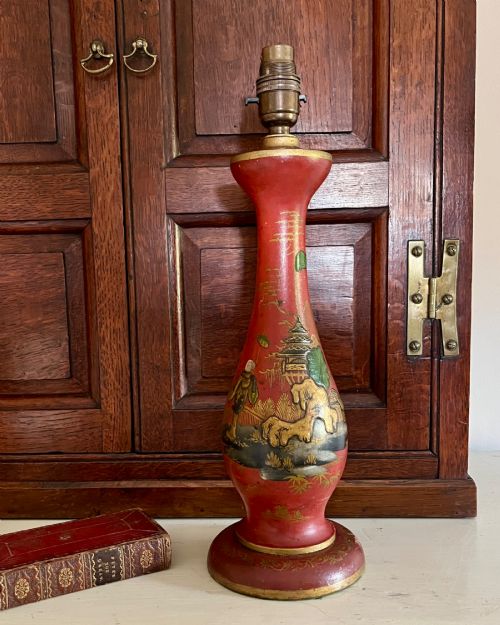
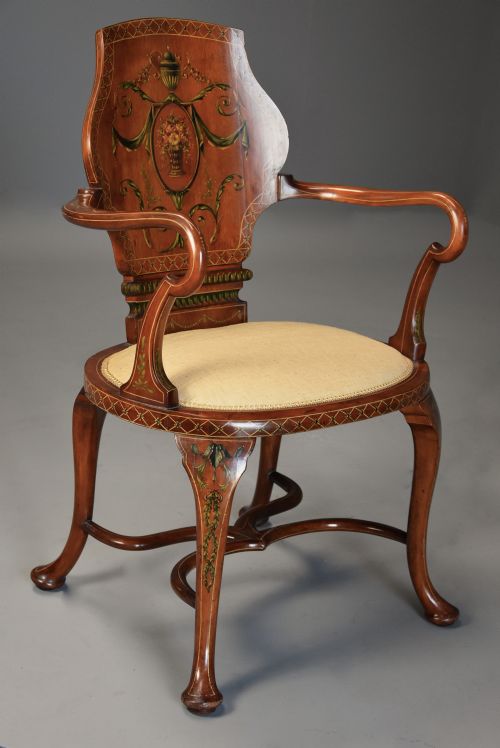
A decorative painted desk brings together writing surfaces and ornamental surface design, drawing on styles such as French Rococo Revival and Chinoiserie.
The selections span the nineteenth century through the early twentieth century, incorporating periods like the Victorian era, Edwardian period, and the 1920s.
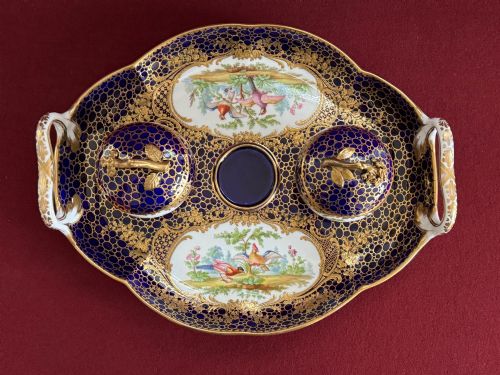
Buyers encounter items ranging from French bonheur du jour desks to dressing tables and smaller writing accessories featuring applied painted plaques.
Materials and Construction
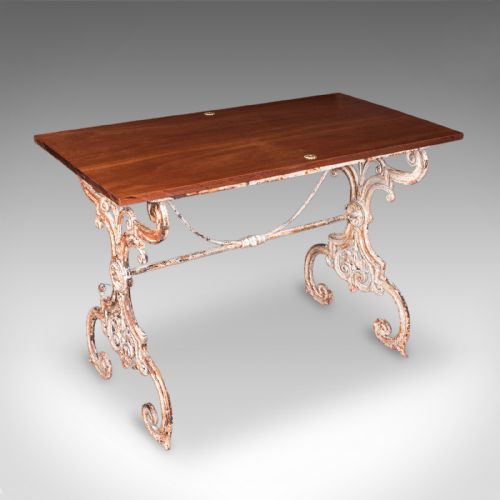
Construction relies upon traditional timbers such as walnut, satinwood, and kingwood, often enhanced with applied brass mounts and ormolu details.
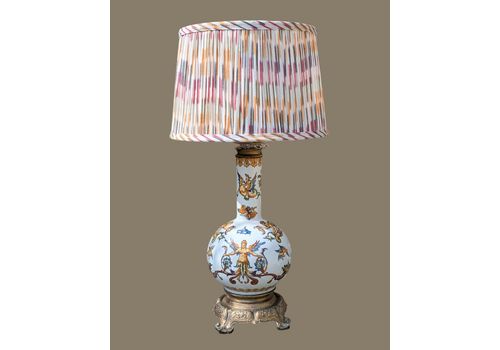
Painted finishes, lacquer, and porcelain plaques provide the primary decorative layers, utilising hand-painted motifs across wood, metal, and ceramic surfaces.
Decorative Painted Desk Retail Price Guide 2026
Typical asking prices for decorative painted desk among the pieces listed under this phrase on Sellingantiques today, from the lower quarter to the upper quarter. They describe what is for sale here now, not the wider market.
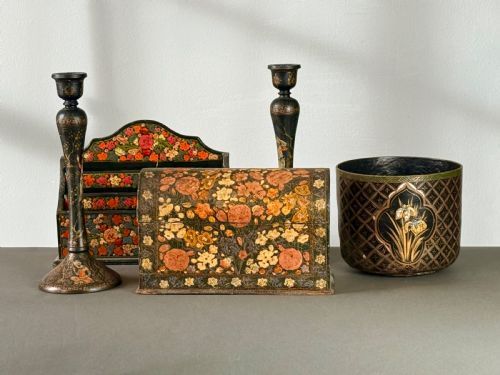
Stationery cabinets and letter racks ensure your stray paperclips have somewhere suitably historic to hide.
Assessing Craftsmanship
Quality rests upon the execution of the hand-painted details and the preservation of the original decorative surface across the wood or porcelain elements.
The integration of secondary materials, such as bronze mounts, champlevé enamel, or cast brass fittings, distinguishes finer pieces from standard production.
The Decorative Painted Desk Glossary
- Bonheur du jour
- A small light lady's writing desk featuring a small cabinet or tiers of shelves on the top surface. This form gained popularity during the eighteenth century and continued through later revival periods.
- Kingwood
- A dense exotic timber prized for its rich grain patterns and purplish-brown colouring with dark stripes. Cabinetmakers utilised this veneer extensively on high-grade nineteenth-century French furniture.
- Satinwood
- A durable hardwood noted for its lustrous golden-yellow sheen and smooth grain. Makers employed this timber extensively for fine Edwardian painted furniture.
- Ormolu
- Gilt bronze ornamentation applied to furniture and decorative objects. This technique involves coating cast bronze with a finely ground gold mercury amalgam.
Decorative Painted Desk: Frequently Asked Questions
How do I care for a painted surface?
Keep the desk away from direct sunlight and excessive heat fluctuations to prevent the paintwork and lacquer from drying out or cracking.
Dust the surface gently with a dry, soft cloth and avoid chemical cleaning products that could strip the original finish.
Where were these painted desks made?
Production spans English workshops, French cabinetmakers, and various continental centres influenced by regional revival styles.
Many pieces reflect international design influences such as Chinoiserie and French Rococo taste.
Are these desks suitable for daily writing?
These pieces function adequately for light daily tasks, though collectors often treat them with care due to their antique status.
Using protective blotters helps preserve fragile painted writing surfaces from ink stains and surface scratches.
How do I identify the period?
Dating relies upon timber selection, construction methods, and the specific decorative style associated with periods like the Victorian era or the Edwardian years.
Characteristics such as porcelain plaques and specific revival motifs offer additional clues to the decade of manufacture.