





Decorative Metal Wall Hanging
These decorative metal wall hanging pieces span brass, copper, and wrought iron across multiple periods, bringing immediate texture and historic character to any room.
Decorative Metal Wall Hanging
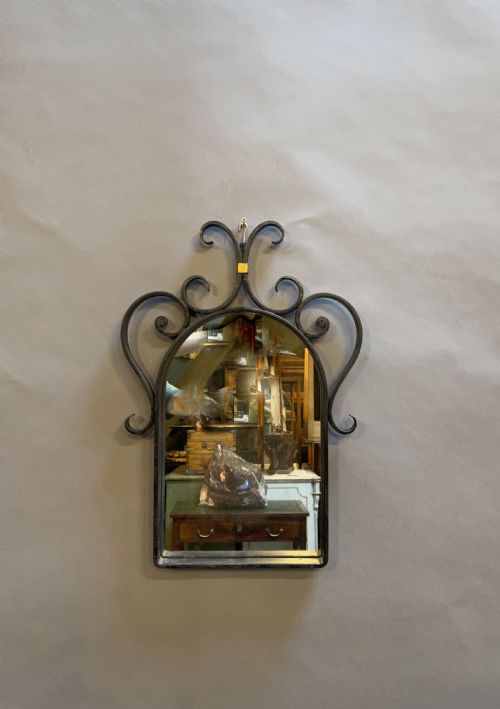
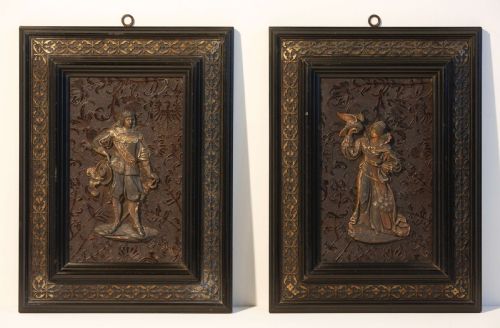
A decorative metal wall hanging brings substantial physical presence and historic craft directly onto the wall, functioning as a focal point in a room. When exploring decorative metal wall hanging options here, buyers encounter a diverse range of forms including wall plaques, mirrors, chargers, and architectural salvage.
The selections span distinct historical eras from the nineteenth century through the Art Deco and Arts and Crafts periods, reflecting varied aesthetic movements. Common materials include brass, copper, wrought iron, bronze, and pewter, each shaping the visual weight of the piece.
How they were made
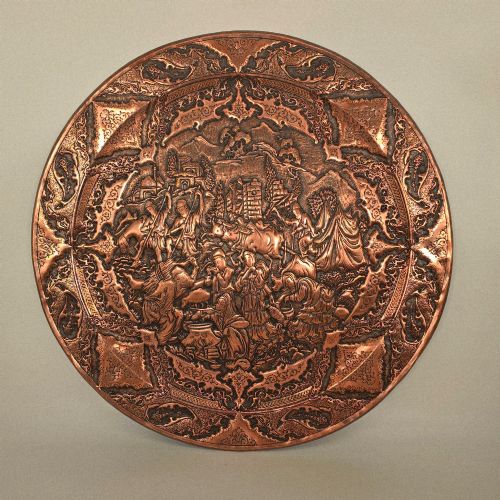
Makers utilised techniques such as beating, embossing, repousse work, and fine casting to shape raw brass, copper, and pewter into expressive wall objects. Surface ornamentation often involved hand engraving, relief work, and applied gilding or silver plating to enhance depth and detail.
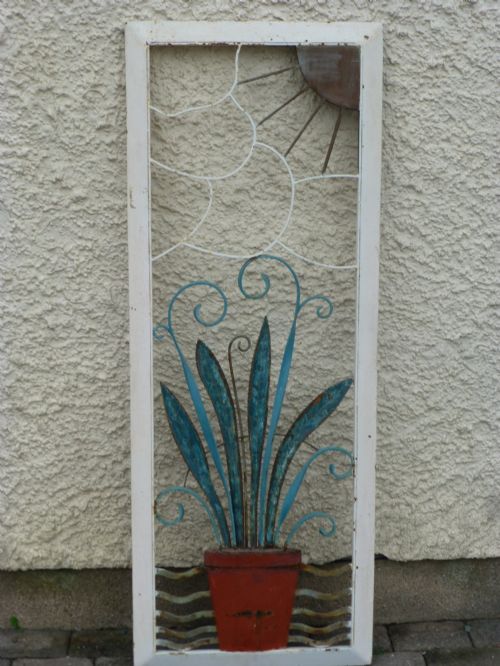
Sturdier architectural elements rely on forged wrought iron and bronze, showing the structural demands placed on brackets, screens, and heavy frames. Artisans combined these metals with glass or lapis elements to create contrast and varied surface textures.
Decorative Metal Wall Hanging Retail Price Guide 2026
Typical asking prices for decorative metal wall hanging among the pieces listed under this phrase on Sellingantiques today, from the lower quarter to the upper quarter. They describe what is for sale here now, not the wider market.
Materials represented across the collection include brass, copper, wrought iron, bronze, pewter, steel, and gilt metal.
What varies in quality
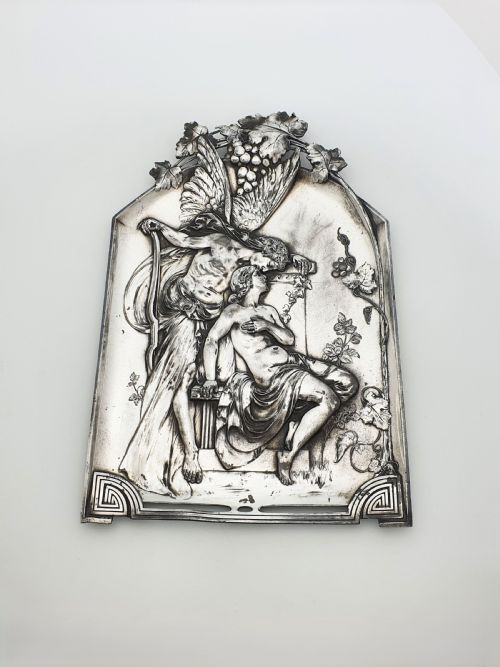
The standard of a decorative metal wall hanging rests primarily on the crispness of the casting, the depth and precision of the hand-beaten or repousse details, and the overall integrity of the metal. Superior examples display deliberate artistic control over proportion and ornament, whether in organic Art Nouveau foliage or geometric Art Deco lines.
Material thickness and the skill evident in secondary elements like engraved borders or applied crests distinguish standard production from exceptional work. Pieces attributed to specific known metalwork foundries or accomplished designers command greater interest due to their sophisticated execution.
Raymond Subes·WMF·Faulkner Bronze Company
The Decorative Metal Wall Hanging Glossary
- Repousse
- A metalworking technique where the artisan hammers the metal from the reverse side to form a raised design in relief on the front. This method creates tactile depth on copper and brass wall chargers.
- Alms dish
- A shallow metal bowl or basin historically used for collecting charitable donations, often embossed with religious or decorative motifs. These circular brass pieces transition well into wall displays.
- Cartel clock
- A wall clock housed in an ornate frame made of materials such as gilt metal or bronze. They originated in France and are designed to mount directly onto vertical surfaces.
- Sign bracket
- An architectural iron or metal arm projecting from a wall to hold a hanging sign. These functional survivals demonstrate utilitarian metal forging from the early twentieth century.
- Wall charger
- A large ornamental plate or dish intended for display on a wall rather than for table service. They provide a broad canvas for beaten copper, engraved brass, and figural decoration.
Decorative Metal Wall Hanging: Frequently Asked Questions
How do I hang a heavy metal wall plaque safely?
Heavy metal pieces require secure fixing directly into wall studs or the use of appropriate toggle bolts suited to the wall substrate. Ensure the hanging bracket or integrated wire on the back of the object can fully support the weight.
Distribute the load evenly across sturdy anchor points to prevent the piece from tilting or pulling away from the plaster over time.
What is the best way to clean antique brass and copper?
Gentle dusting with a soft, dry cloth is usually sufficient to maintain the surface without disturbing the historic patina. Avoid harsh chemical polishes that strip away the aged character accumulated over decades.
Consult a professional restorer if stubborn grime requires intervention, as aggressive rubbing can damage delicate hand-engraved details or applied platings.
How can I tell Arts and Crafts metalwork apart from Art Deco pieces?
Arts and Crafts metalwork emphasises hand-beaten textures, organic motifs like pomegranates and foliage, and visible artisan marks on copper and pewter. These pieces celebrate traditional craftsmanship and natural forms.
Art Deco items favour sleek, stylised geometric lines, symmetrical patterns, and modern industrial materials such as chromium, specialised bronze, and streamlined ironwork.
Are antique metal chargers meant to be displayed flat or angled?
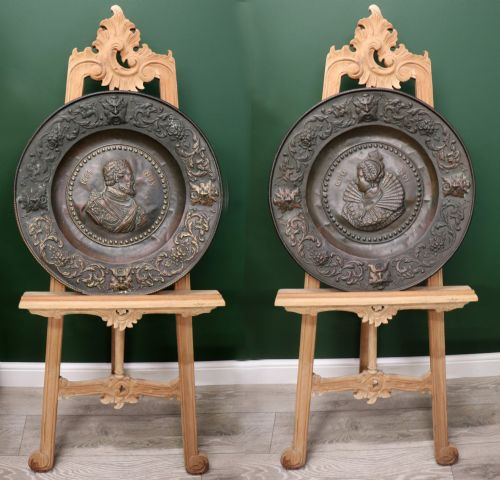
Large chargers are almost universally designed to hang vertically flush against a wall, using either a specialised spring clip or an integrated rear loop. Their wide rims and central embossed scenes are engineered to be fully visible from a distance when mounted upright.
Ensure proper clearance from heat sources or direct strong sunlight to protect any applied gilding, silver plating, or integrated glass elements.