

Reclaimed Architectural Salvage
Reclaimed architectural salvage comprises salvaged stone, ironwork and timber saved from period buildings to add weight and character to modern spaces.
Reclaimed Architectural Salvage
Reclaimed architectural salvage covers a wide spread of structural and decorative elements rescued from older buildings, gardens and estates. Buyers seeking this material find a mix of functional metalwork and heavy masonry.
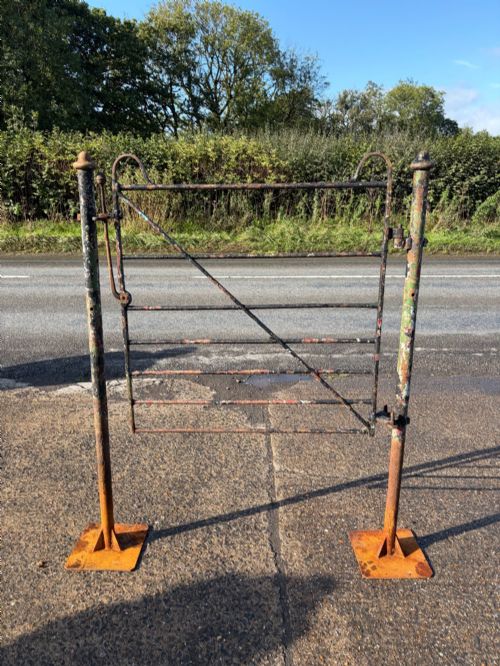
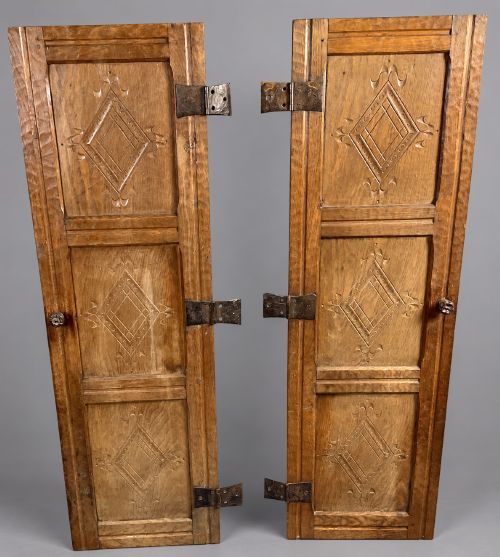
The items most commonly met in this selection are Victorian and nineteenth century wrought iron gates, stone planters, wooden doors and carved oak panels. These pieces carry the specific marks of their original period and function.
Origins range across the eighteenth and nineteenth centuries, alongside specific architectural details such as granite staddlestones, limestone pinnacles and cast iron lamp posts. Each piece retains the scale and presence of its original site.
Materials and construction
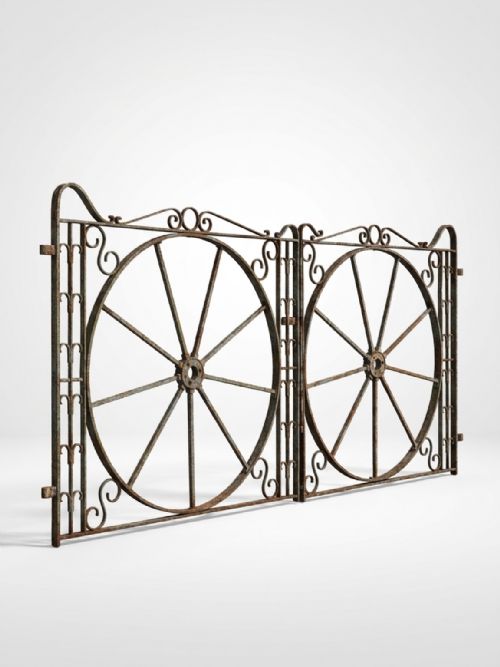
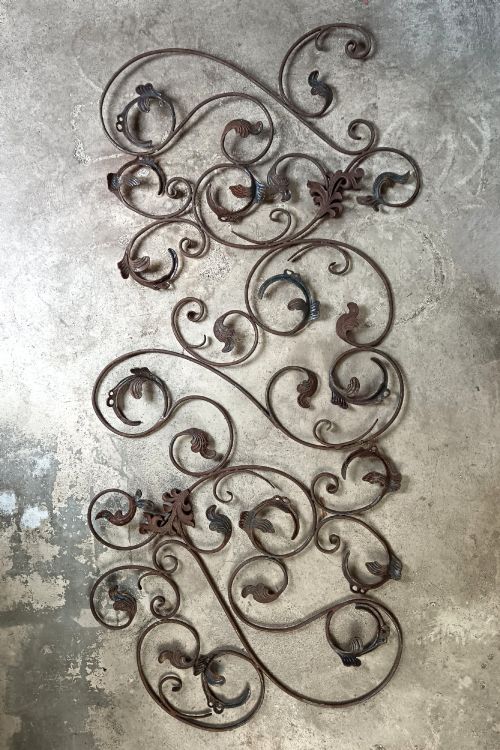
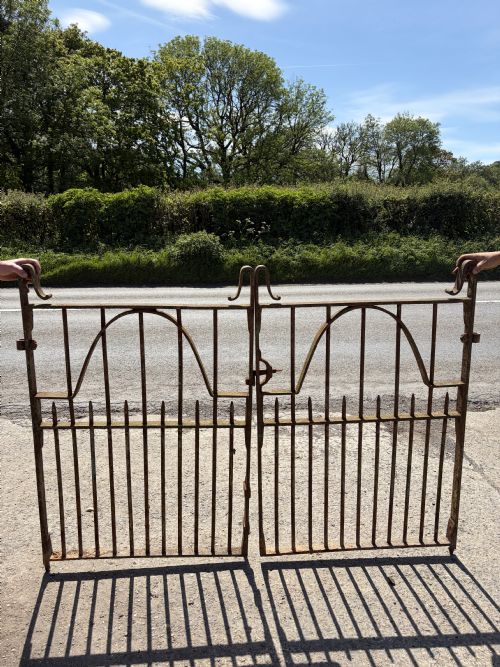
Metalwork relies on hand-hammered wrought iron and cast iron, shaped into strapwork, scrolls and estate gates using traditional smithing methods. Bronze appears in hardware like bells and door handles.
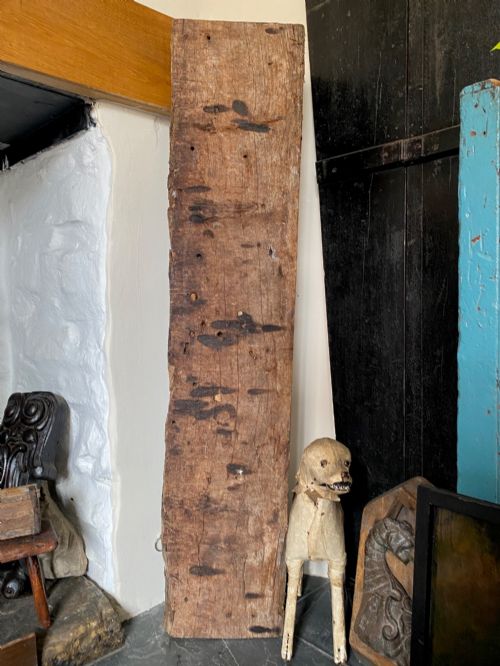
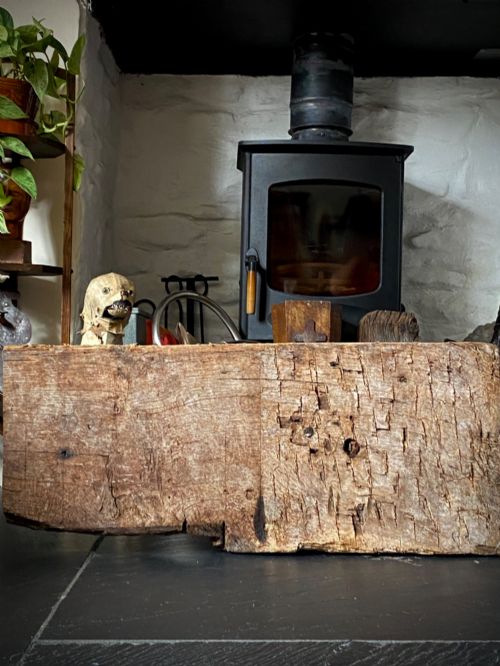
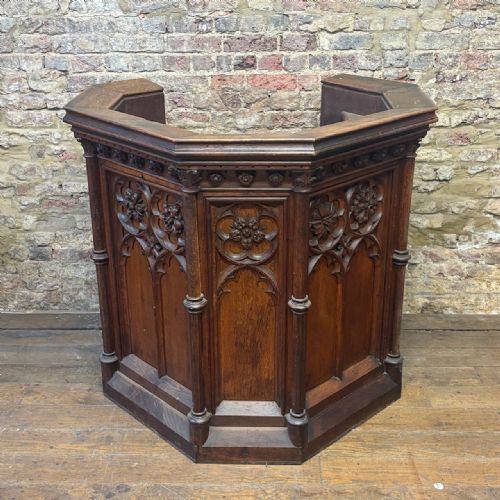
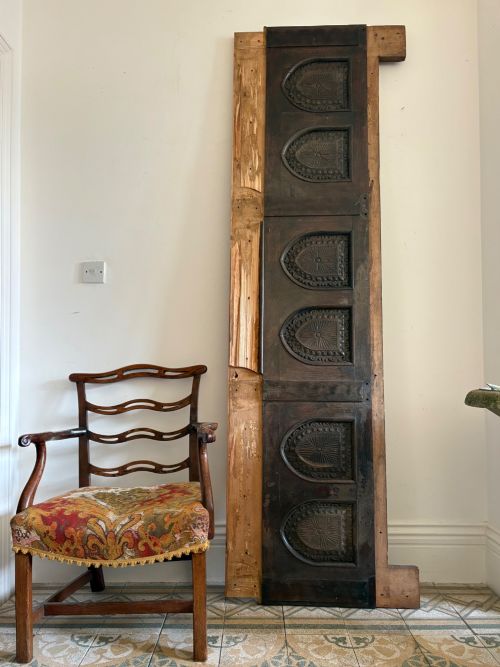
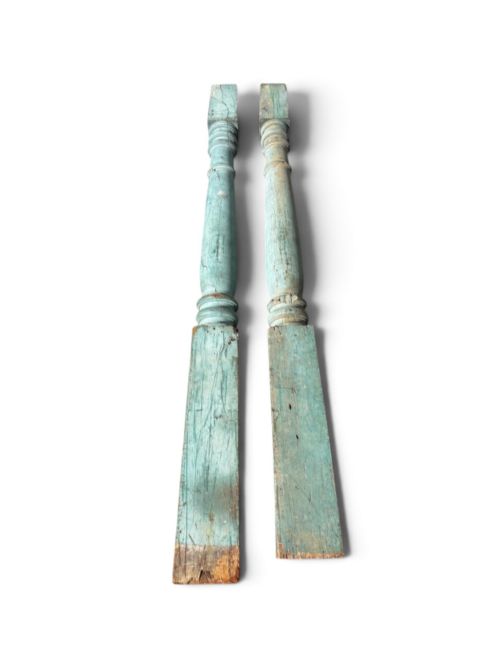
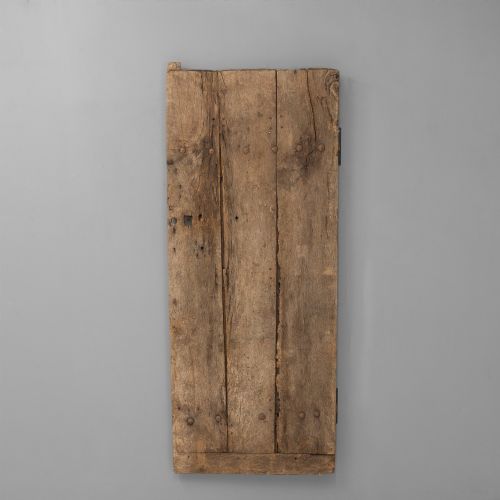
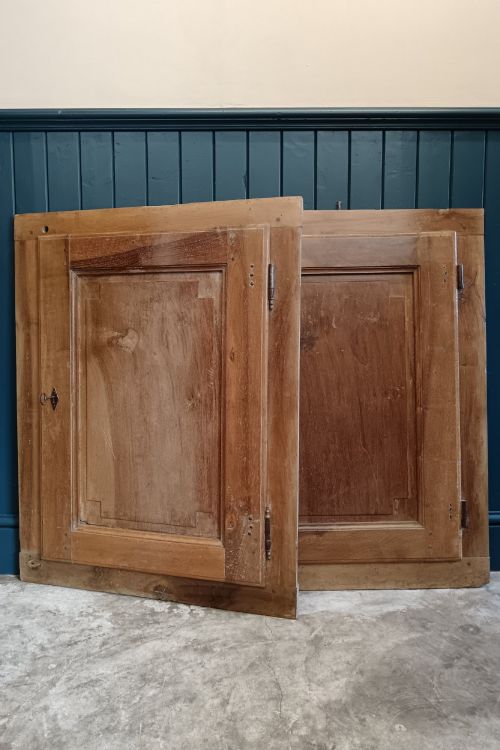
Timber elements utilise oak, pine and walnut, shaped through joinery and hand-carving to produce linenfold panels, corbels and heavy entrance doors. Paint and natural weathering often remain on the wood surface.
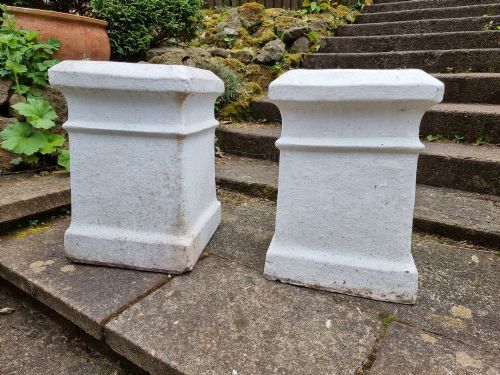
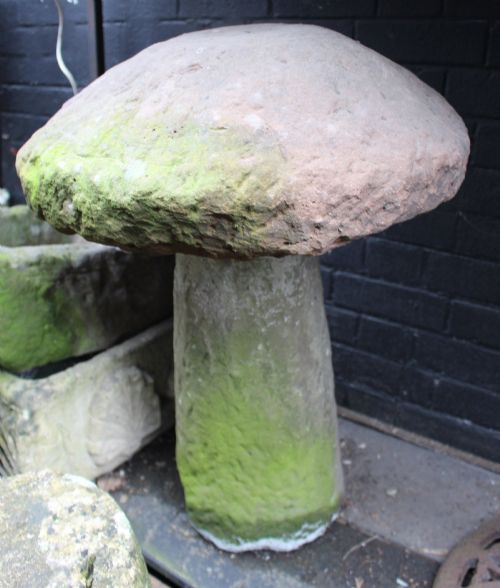
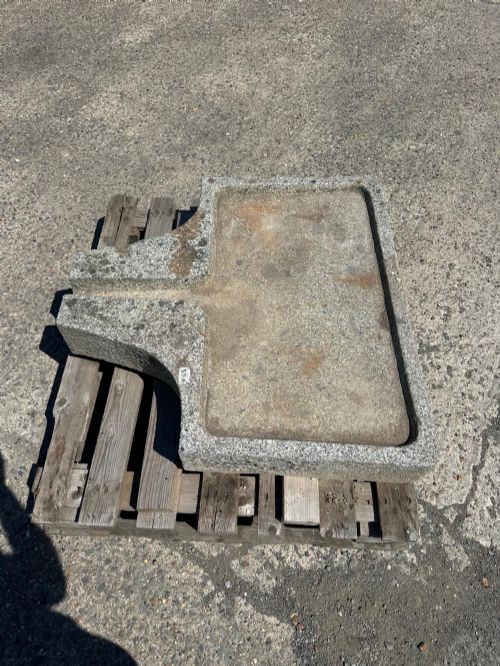
Stone objects are cut from sandstone, granite and limestone, forming staddlestones, millstones, keystones and architectural pinnacles that demonstrate masonry skills from various centuries.
Reclaimed Architectural Salvage Retail Price Guide 2026
Typical asking prices for reclaimed architectural salvage among the pieces listed under this phrase on Sellingantiques today, from the lower quarter to the upper quarter. They describe what is for sale here now, not the wider market.
The selection includes wrought iron, cast iron, oak, pine, sandstone, granite, and limestone across the eighteenth and nineteenth centuries.
Factors that distinguish the work
The standard of carving and metal fabrication defines the upper tier of these pieces, seen in the depth of oak tracery or the complexity of iron scrollwork. Estate-made or architect-designed items show a higher level of hand execution.
Condition and completeness alter the standing of a piece, particularly when original hinges, frames or matching pairs survive intact. Weathering adds character, but structural integrity in iron and stone remains paramount.
Raymond Subes
The Reclaimed Architectural Salvage Glossary
- Staddlestone
- A mushroom-shaped stone support originally used to raise granaries and barns off the ground to keep grain dry and away from pests.
- Wrought iron
- Iron that has been heated and hammered by hand into shape, identifiable by its fibrous texture and resilience compared to cast iron.
- Linenfold
- A style of wood carving used on panels to mimic folded linen fabric, popular during the medieval and revival periods.
- Keystone
- The central wedge-shaped stone at the apex of an arch that locks all the other stones in position.
- Tracery
- Openwork stonework or woodwork with branching lines, frequently found in Gothic windows and panels.
Reclaimed Architectural Salvage: Frequently Asked Questions
How do I hang heavy iron gates?
Heavy nineteenth century estate gates require substantial mounting piers, often granite or brick, fitted with pivot hinges capable of taking significant weight.
Professional installation ensures the gates swing true without sagging over time.
Can antique stone be used outdoors?
Granite, sandstone and limestone items like staddlestones and troughs are naturally weather-resistant and suit garden placement.
Freezing water can sometimes affect porous stones, so proper drainage underneath helps preserve the material.
How do I date architectural timber?
Dating relies on tool marks, joinery techniques, and timber species such as oak, walnut, or pine used in the construction.
Stylistic cues like Gothic tracery or linenfold carving also point to specific centuries of origin.
How do I restore weathered ironwork?
Surface rust and old paint can be removed carefully by hand or through specialist blast cleaning to expose the original wrought iron.
Applying a protective coat of wax or paint prevents further corrosion while retaining the historic surface texture.