





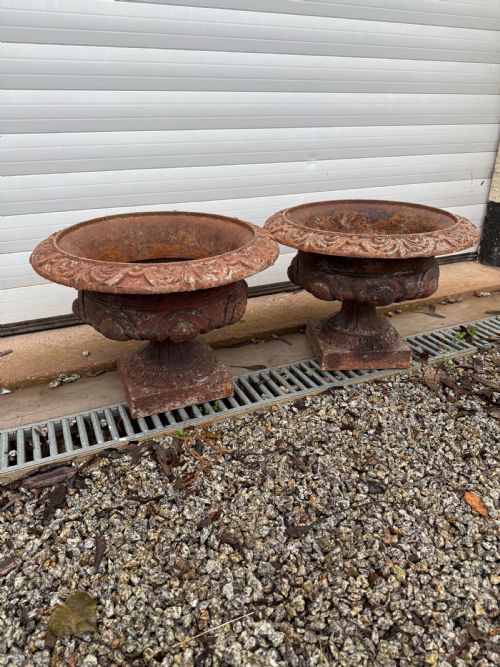
Decorative Metal Troughs
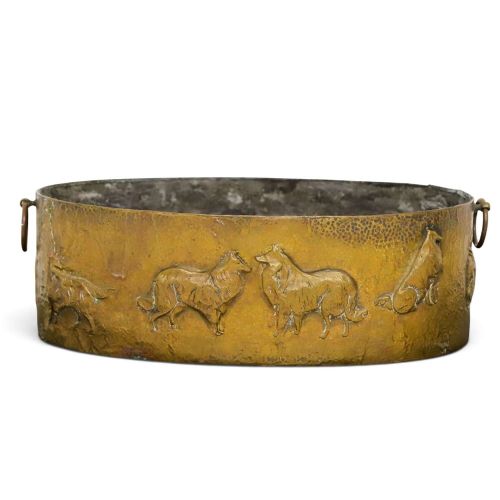
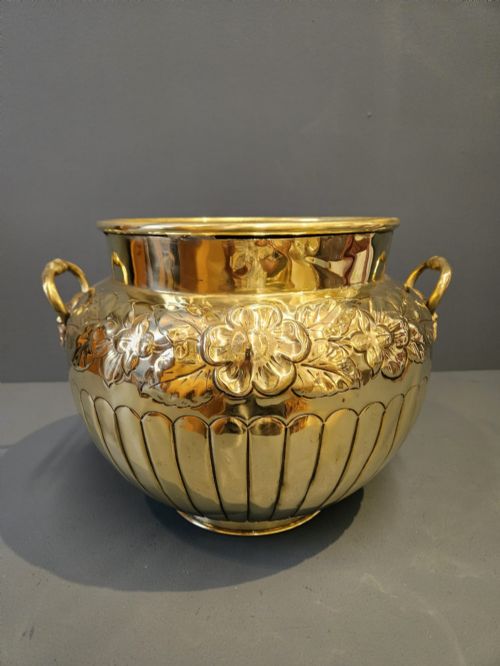
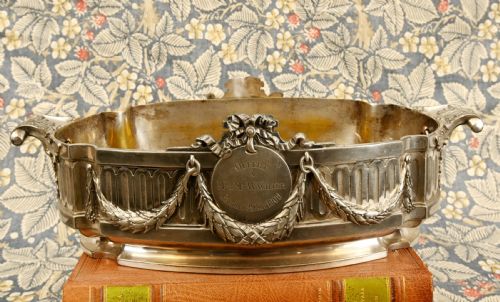
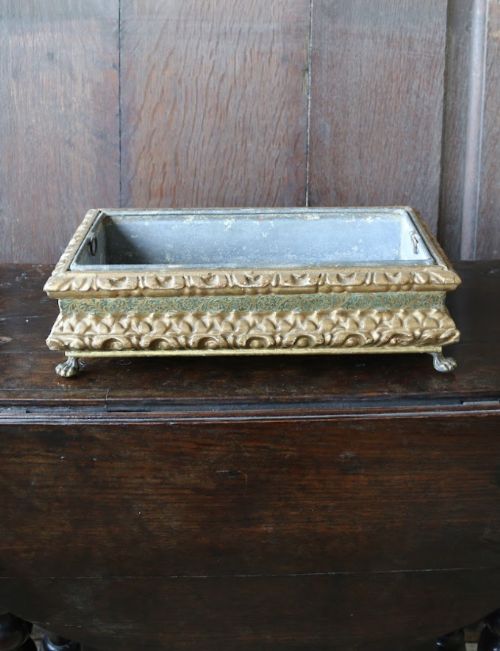
These decorative metal troughs are plant vessels and containers that bring period character to interiors and gardens.
Decorative Metal Troughs
When you search for decorative metal troughs, you encounter a selection of plant containers and jardinieres fashioned from brass, iron, and zinc. These pieces serve primarily to hold plants and floral arrangements in domestic rooms, conservatories, and gardens.
The versions most commonly met on this page span the Victorian and Edwardian eras, alongside French and Italian examples. They take forms such as jardinieres, garden planters, and urns designed to sit upon tables or floors.
Makers utilised various base metals to create vessels suitable for both damp garden conditions and formal reception rooms. The selection ranges from robust outdoor iron work to refined indoor brass and silver-plated receptacles.
How they were made
The construction of these troughs relies on foundational metalworking techniques including casting, hammering, and wire work. Brass and cast iron components take shape through moulding, whilst wrought iron elements show the work of the blacksmith's forge.
Surface treatments and decorative mounts define the finish of many pieces. Silver plating and ormolu mounts appear on refined indoor items, adding layers of ornament to the underlying metal structure.
Decorative Metal Troughs Retail Price Guide 2026
Typical asking prices for decorative metal troughs among the pieces listed under this phrase on Sellingantiques today, from the lower quarter to the upper quarter. They describe what is for sale here now, not the wider market.
One unexpected item on offer is a Chinese antique iron bath, proving that metal vessels had very grand wet ambitions.
What varies in quality
Quality in these troughs rests on the crispness of the casting and the integrity of the metal construction. Heavier gauges of brass and iron indicate a more substantial vessel designed for longevity.
The refinement of decorative details, such as applied ormolu mounts or hand-wrought scrolling, separates standard utility items from more ambitious decorative examples.
The Decorative Metal Troughs Glossary
- Jardinere
- An ornamental pot or stand for holding plants or flowers. These vessels often sit on low feet or pedestals within a room.
- Ormolu
- Gilt bronze ornamentation applied to furniture and decorative objects. This technique creates a rich golden contrast against timber or darker metals.
- Wrought iron
- Iron that has been heated and shaped with tools. This material offers durability and flexibility for decorative scrollwork.
- Silver plate
- A thin layer of silver applied to a base metal object. This process provides the visual appeal of solid silver at a different scale.
Decorative Metal Troughs: Frequently Asked Questions
What are decorative metal troughs?
These pieces are metal containers designed specifically to hold plants, flowers, or garden foliage. They function as both practical garden accessories and decorative indoor centrepieces.
Examples range from heavy cast iron urns for the garden to polished brass planters intended for the drawing room.
How were they used historically?
Historically, these troughs housed potted plants within domestic interiors, conservatories, and formal gardens. They allowed homeowners to display greenery on tabletops, floors, and patios.
Large versions often accommodated substantial floral displays for dining tables or grand hallways during the nineteenth century.
How do I live with them?
Integrate these metal vessels into your home by using them to hold potted plants, dried arrangements, or even firewood by a hearth. Their robust materials suit both traditional and contemporary settings.
Ensure that indoor metal troughs are fitted with appropriate liners to protect delicate surfaces from moisture.
How do I tell periods apart?
Distinguishing periods involves examining the stylistic details and manufacturing methods visible on the metal. Victorian and Edwardian pieces often display heavier casting and distinct floral motifs.
Earlier examples from the seventeenth or eighteenth centuries show hand-forged construction techniques and patination unique to their era.