



Decorative Metal Birds
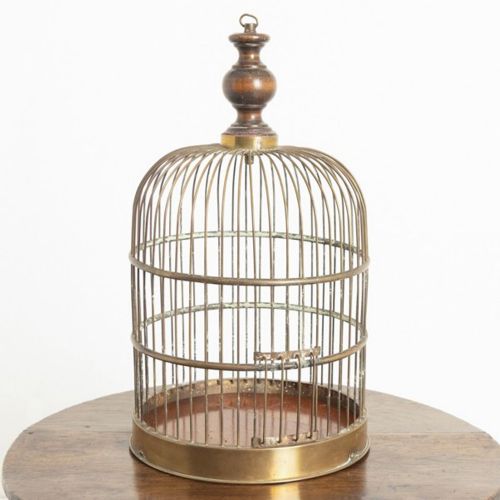
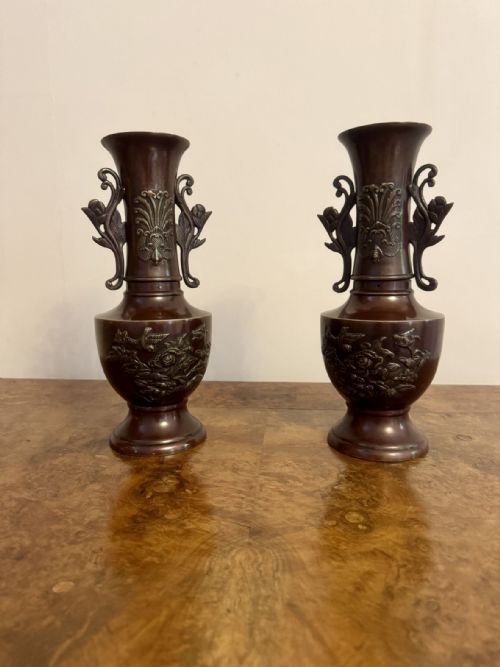
Decorative metal birds bring avian forms into the interior through bronze vessels, cloisonné enamel chargers, and brass cages.
Decorative Metal Birds
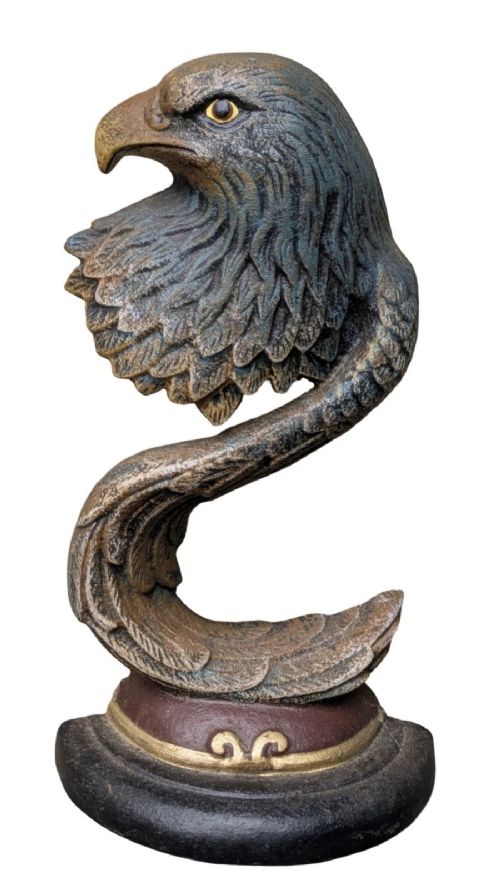
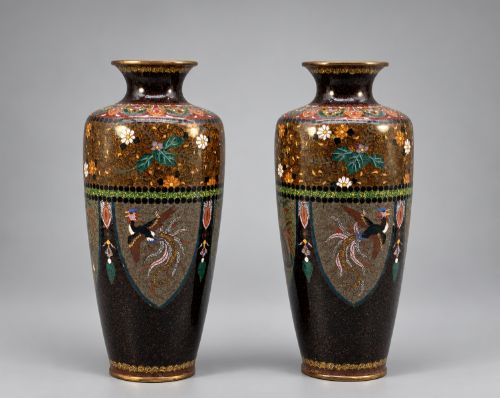
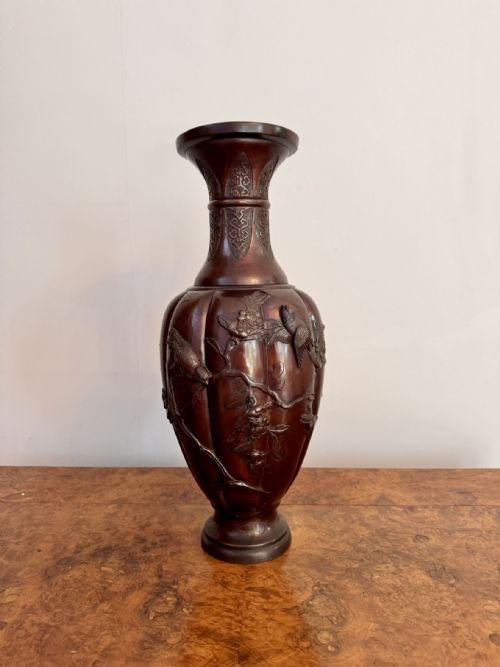
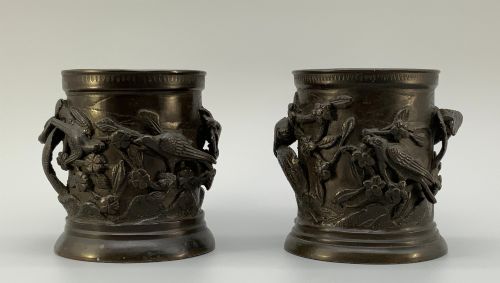
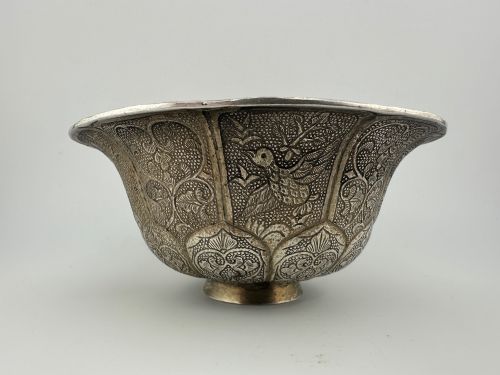
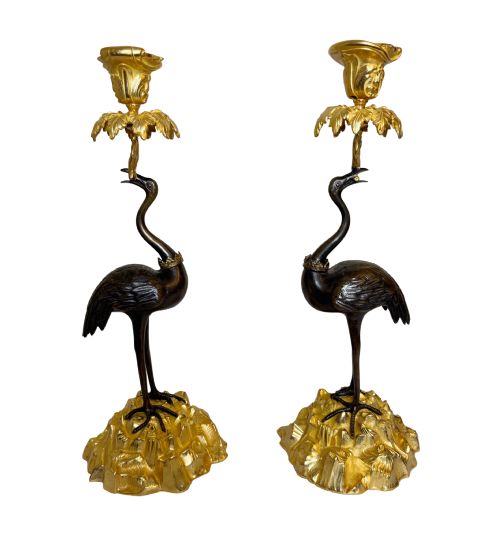
Decorative metal birds encompass bronze vases, copper chargers, and brass cages depicting phoenixes, owls, and flamingos. These objects reflect nineteenth-century and early twentieth-century craftsmanship from Japanese, Chinese, French, and British workshops.
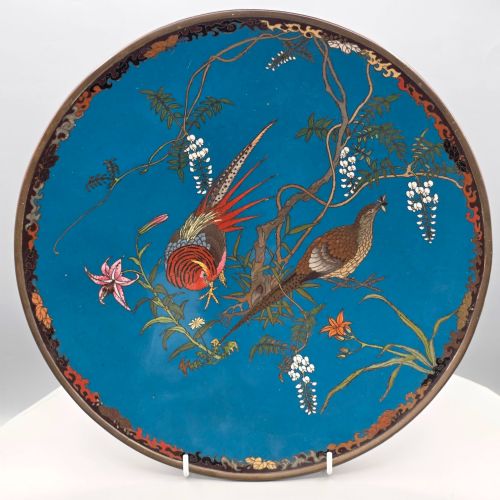
Vases and chargers dominate the selection, often featuring cloisonné enamel work alongside cast bronze and spelter figures. Buyers encounter Japanese Meiji period vessels and European bird cages with equal frequency.
How they were made
Artisans utilised cast bronze, brass, and copper to form the structural bodies of vases, candlesticks, and structural bird cages. Enamel wirework created intricate cloisonné patterns depicting feathers and blossoms on plates and bowls.
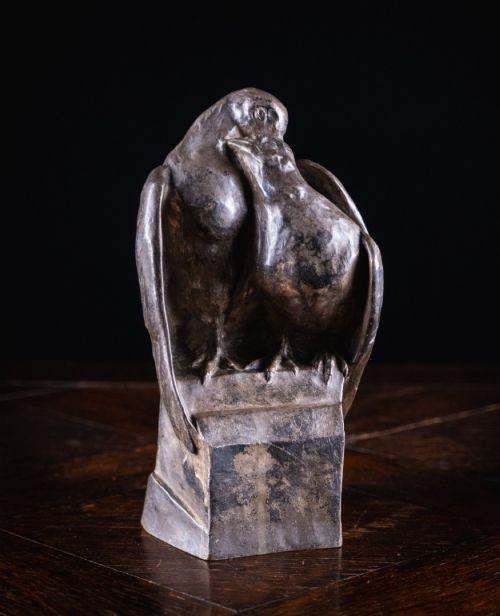
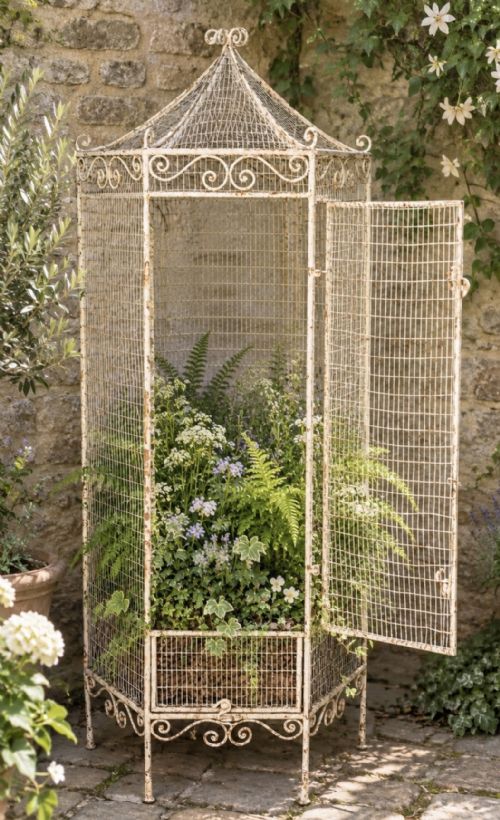
Spelter and marble combined to produce sculptural bookends, while wrought iron and wire mesh formed large architectural birdcages. Surface finishes involved gilt applications and hand-painted details on metal and porcelain.
Decorative Metal Birds Retail Price Guide 2026
Typical asking prices for decorative metal birds among the pieces listed under this phrase on Sellingantiques today, from the lower quarter to the upper quarter. They describe what is for sale here now, not the wider market.
Owls peer sternly from spelter bookends while metallic parrots gaze out from circular brass cages across the collection.
What varies in quality
Quality rests in the precision of the metal casting and the fineness of the enamel wirework on chargers and vases. Superior pieces display crisp detailing in the feather motifs and balanced proportions across twin-handled urns.
The complexity of the subject matter, such as multi-coloured phoenix designs and intricate tree bark textures, separates standard production items from master-grade works. Weight and substantial construction in brass cages also indicate higher grade manufacture.
The Decorative Metal Birds Glossary
- Cloisonné
- An enamel technique where thin metal wires form cellular compartments on a metal base, which are then filled with coloured paste and fired. This method creates detailed pictorial depictions of birds and floral scenes.
- Spelter
- A zinc alloy commonly utilised as a less expensive substitute for bronze in decorative figures like bookends. It accepts patination well to simulate heavier metals.
- Repoussé
- A metalworking method where an artisan hammers sheet metal from the reverse side to form a raised design in relief. This technique appears on heavy copper chargers.
- Charger
- A large decorative plate intended for display rather than table use. These pieces frequently feature elaborate avian artwork across their central surface.
- Meiji Period
- A Japanese historical era spanning from eighteen sixty-eight to nineteen twelve, noted for exceptional export metalwork and cloisonné.
Decorative Metal Birds: Frequently Asked Questions
How were antique bird cages used?
Many large brass and wire cages served as practical housing for live birds within nineteenth-century homes.
Others functioned purely as decorative interior objects, standing empty or holding artificial arrangements.
What periods do these pieces date from?
The selection spans the nineteenth century through to the early nineteen twenties, capturing Victorian and Edwardian aesthetics.
Japanese Meiji and late Edo periods strongly represent the Asian export items found in this category.
Where should I display bronze vases?
Bronze vases with bird and blossom motifs suit prominent surfaces such as mantelpieces, sideboards, or dedicated display cabinets.
Their substantial weight allows them to stand securely on tables without additional support.