




Decorative Mesh Screen
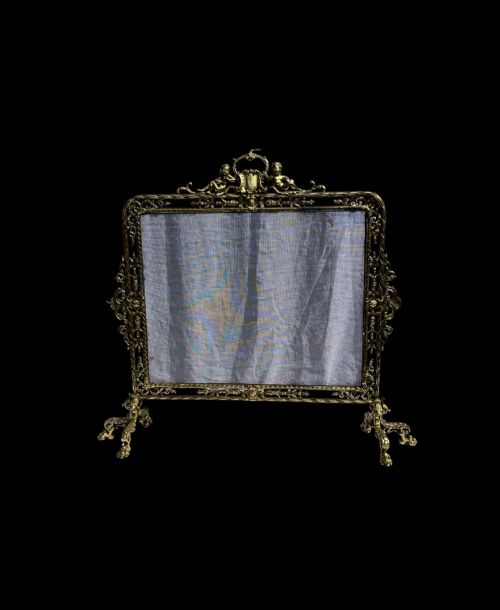
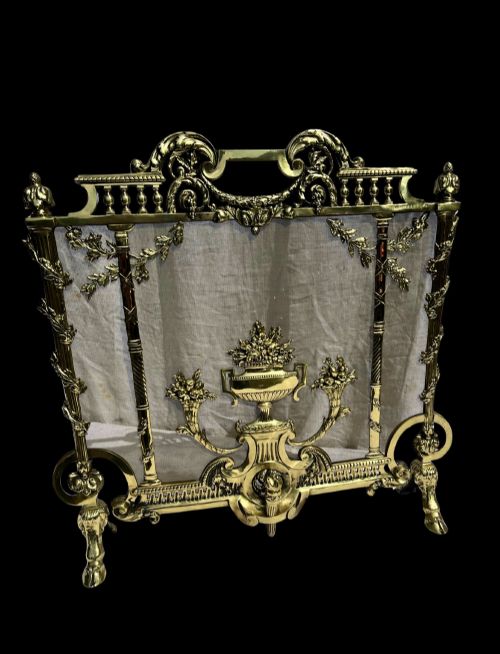
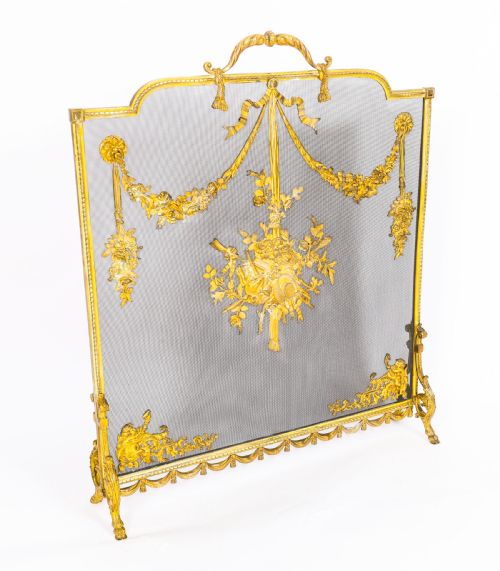
These decorative mesh screen pieces are substantial fireplace guards crafted in brass, iron, and gilt bronze to protect rooms from stray embers.
Decorative Mesh Screen
When searching for a decorative mesh screen, buyers encounter nineteenth-century fireplace accessories designed to shield a room from hearth sparks. The selection on this page consists predominantly of brass and iron fire screens originating from the nineteenth and early twentieth centuries.
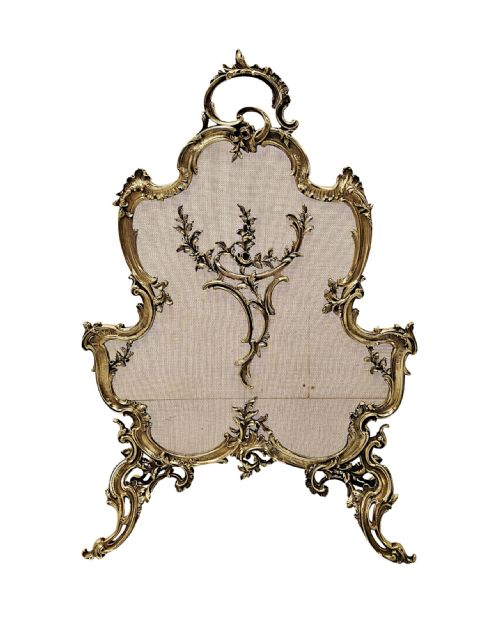
The forms range from freestanding Victorian brass fire guards to Gothic iron spark guards and pairs executed in the Louis XV style. Many examples incorporate intricate woven wire mesh panels framed by heavy metal mounts.
Stylistic influences span from French Rococo Revival and Neoclassical designs to Victorian revivals. These pieces function simultaneously as practical hearth safety equipment and ornate interior furnishings.
How they were made
Makers utilised cast brass, gilt bronze, and wrought iron to construct the sturdy frames that support the central wire mesh. These metals were shaped through casting, forging, and soldering to create elaborate decorative borders.
The mesh panels themselves consist of fine wire mesh or steel mesh secured firmly within the outer metallic structure. Gilt brass and gilt bronze examples often received additional surface finishing to achieve a polished or gilded appearance.
Listings span the nineteenth century and the early twentieth century, featuring brass, iron, and gilt bronze.
What varies in quality
The distinction between standard items and superior examples lies in the heaviness of the cast metal frame and the intricacy of the decorative detailing. Pieces executed in the Rococo manner or featuring applied musical trophies display greater sculptural depth in the brass or gilt bronze mounts.
Construction methods also set pieces apart, particularly where the wire mesh meets the outer frame. Heavier gauge wire mesh and robust freestanding feet indicate higher manufacturing standards and durability.
The Decorative Mesh Screen Glossary
- Fire screen
- A movable barrier placed before a fireplace opening to contain sparks and ash. These items double as decorative furnishings when the hearth is unlit.
- Gilt bronze
- Copper alloy coated with a thin layer of gold to give a rich metallic finish. This material appears frequently on French revival fireplace accessories.
- Rococo Revival
- A nineteenth-century design style characterised by asymmetrical scrollwork, floral motifs, and shell shapes. Many nineteenth-century brass fire screens employ this aesthetic.
- Spark guard
- A protective barrier of fine wire mesh designed specifically to catch flying embers. Iron and steel mesh versions were widely utilised for practical hearth safety.
Decorative Mesh Screen: Frequently Asked Questions
What is a decorative mesh screen used for?
These pieces act as physical barriers placed in front of an active fireplace to prevent burning embers from escaping into the room. They combine practical spark protection with decorative metalwork.
During warmer months when fires are not lit, they serve as ornamental screens to cover the empty hearth space.
How do I identify a nineteenth-century screen?
Nineteenth-century examples typically feature heavy cast brass, wrought iron, or gilt bronze frames paired with hand-woven wire mesh. Look for construction methods involving traditional fasteners and heavier metal gauges.
Stylistic cues such as Rococo Revival curves or Gothic ironwork also point toward nineteenth-century production dates.
Are these screens freestanding?
Most fireplace guards in this selection are designed to stand independently on the floor using dedicated feet or sturdy base supports. This allows them to be positioned securely in front of various hearth sizes without permanent installation.
Some folding variations offer adjustable side panels for broader coverage.
What metals are commonly used?
Brass and iron form the primary structural materials for these hearth accessories, often complemented by gilt bronze or steel mesh inserts. Brass frames frequently feature polished or gilded surfaces.
Iron and steel appear more commonly in utilitarian or Gothic revival designs.