





Decorative Lion Figure
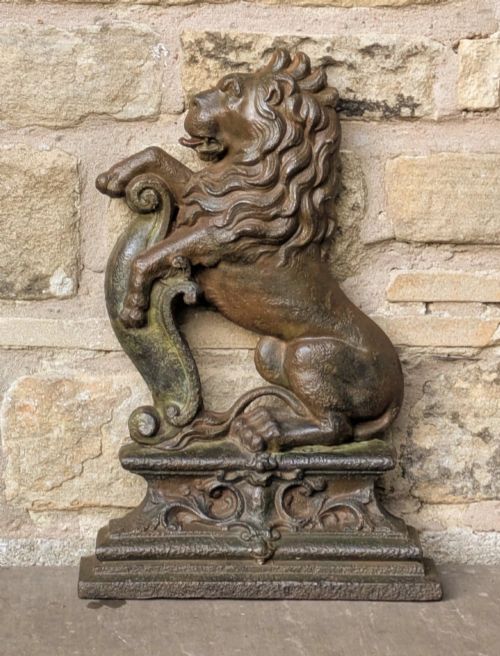
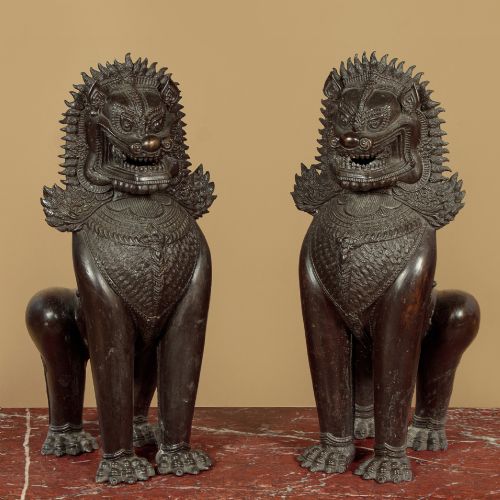
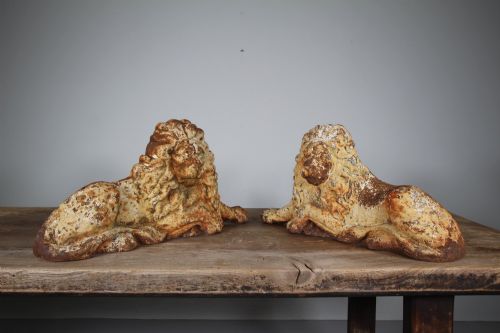
A decorative lion figure brings presence to a room, ranging from carved wood animals to cast iron Foo dogs.
Decorative Lion Figure
When you search for a decorative lion figure, you encounter diverse interpretations across centuries, materials, and cultural traditions. These pieces function as guardian figures, garden statues, folk art carvings, and interior ornaments.
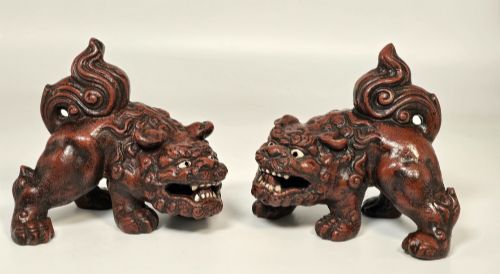
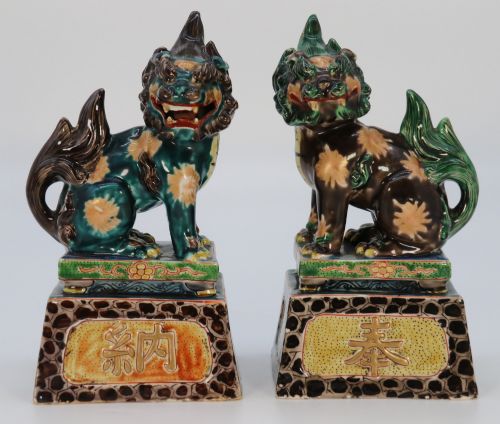
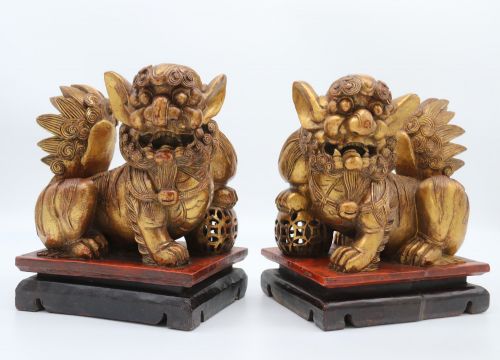
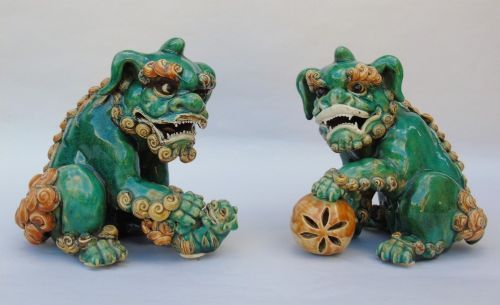
You are most likely to meet carved wooden examples from the nineteenth and twentieth centuries, alongside pairs of Chinese pottery or cast iron Foo dogs. The selection spans traditional European giltwood pieces and Asian art objects.
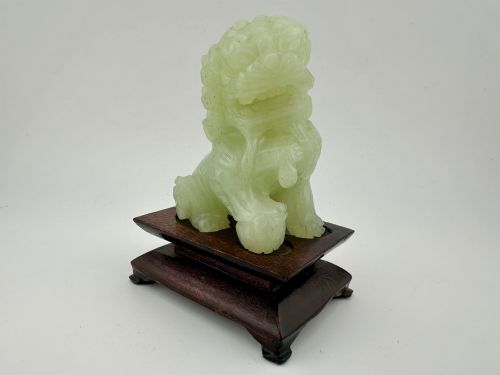
Forms vary from life-size wooden sculptures and large toy lionesses to small jade hardstone carvings and ornate pairs designed for mantelpieces or entrances. Each style carries the distinct aesthetic of its period of origin, from Georgian England to Qing dynasty China.
Materials and construction
Carved wood serves as a primary medium, utilising walnut, giltwood, and general timber finished with paint or lacquer. Artisans shaped these materials into detailed animal statues, applying surface gilding or polychrome pigments.
Pottery and ceramic production involves moulded clay finished with glazes, notably Sancai techniques on Chinese Buddhist lions. Cast iron and reconstituted stone provide robust alternatives suited for heavier architectural or garden ornaments.
Decorative Lion Figure Retail Price Guide 2026
Typical asking prices for decorative lion figure among the pieces listed under this phrase on Sellingantiques today, from the lower quarter to the upper quarter. They describe what is for sale here now, not the wider market.
Wooden lionesses occasionally travel in packs of three, proving even toy predators prefer company.
Assessing quality and execution
The standard of carving distinguishes superior pieces from simpler utilitarian objects, seen in the depth of relief and anatomical accuracy. Master carvers achieved fluid lines in wood and jade that lesser hands missed.
Surface finish and original patination dictate the visual impact of an ornament, whether through well-preserved gilding, Sancai glaze, or aged wood. Original paint and lacquer surfaces hold greater integrity than later overpainting.
Completeness as a matched pair adds substance to decorative figures such as Foo dogs and Buddhist lions. Proportion and weight also indicate the original purpose, separating heavy garden stone from refined interior sculptures.
Luigi Frullini
The Decorative Lion Figure Glossary
- Sancai
- A traditional Chinese three-colour glaze technique used on pottery figures. The method produces mottled amber, green, and cream or white tones.
- Giltwood
- Timber that has been coated with a thin layer of gold leaf or gold paint. This finish was common on decorative interior ornaments from the Georgian period onward.
- Hardstone
- A semi-precious mineral such as jade that requires specialised abrasive cutting techniques. These materials yield durable, highly polished small sculptures.
- Gothic Revival
- An architectural and decorative style drawing inspiration from medieval design. Pieces in this aesthetic often appear in nineteenth-century furnishings and sculpture.
Decorative Lion Figure: Frequently Asked Questions
What is a Foo dog?
A Foo dog is a traditional guardian lion figure originating from Chinese art and architecture. These mythical creatures traditionally stand in pairs to protect sacred spaces.
In domestic settings, they serve as decorative ornaments and symbols of protection. You will find them rendered in cast iron, pottery, and stone across various periods.
How do I date a wooden lion?
Dating a carved wooden lion involves examining the tool marks, timber species, and surface finish. Eighteenth-century and nineteenth-century pieces often display hand-chiselled depths and aged patination.
Twentieth-century examples tend to show different wear patterns and machine assistance in initial shaping. Comparing the stylistic conventions of periods like the Georgian era helps confirm the timeline.
Where should I place a heavy stone lion?
Reconstituted stone and cast iron lions suit garden settings, porch entrances, or robust floor spaces indoors. Their weight requires stable, level ground to prevent shifting or tipping.
When positioning them outside, consider how weathering will interact with the material over time. Interior placement needs sufficient floor area to balance their substantial visual mass.
Are jade lion figures rare?
Jade guardian lion figures utilise hardstone materials that demand considerable skill to carve. Smaller items from periods like the Chinese Republic era appear occasionally in collections.
Their size is generally compact compared to wood or stone equivalents, reflecting the cost of the raw mineral. Quality depends on the translucency of the stone and the precision of the carving.