




Decorative Leather Volumes
These decorative leather volumes span centuries of publishing, offering rich bindings and timeless texts that elevate any shelf.
Decorative Leather Volumes
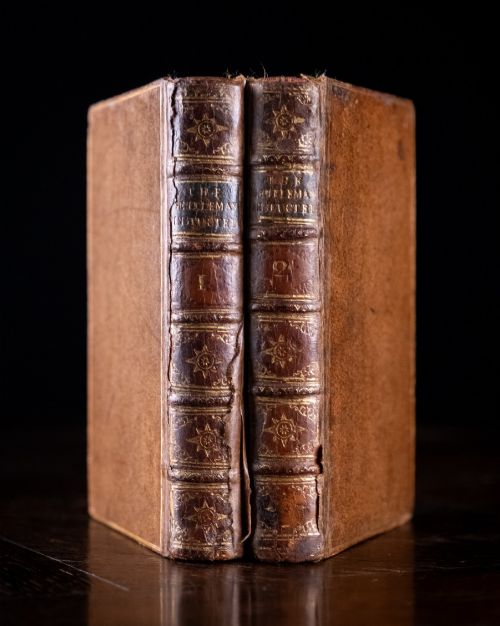
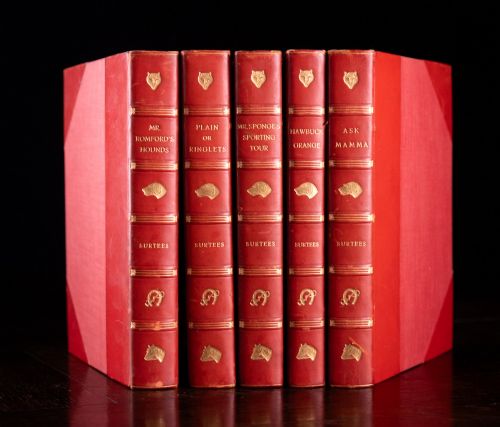
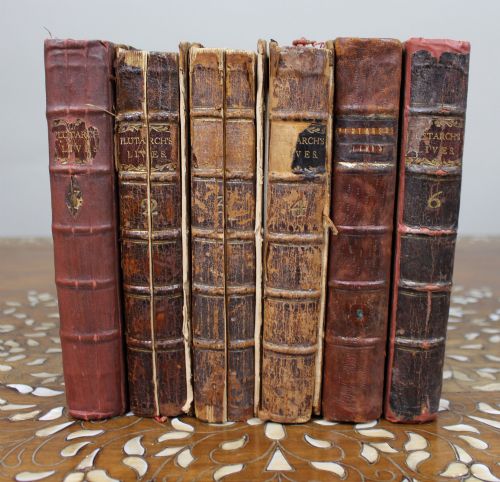
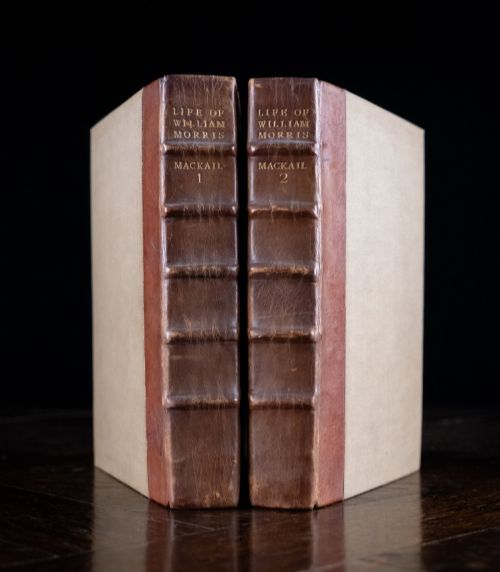
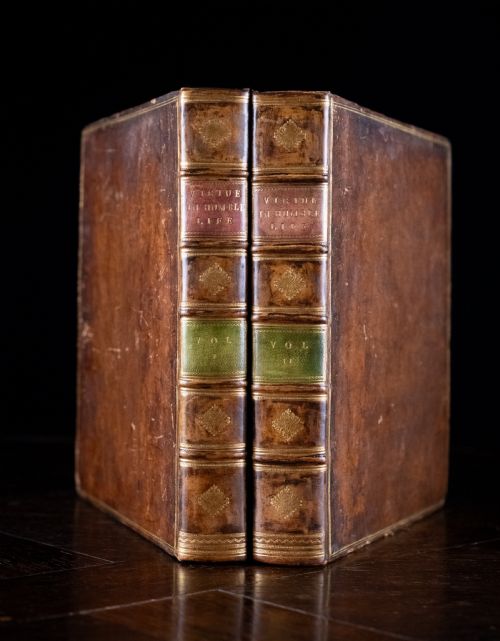
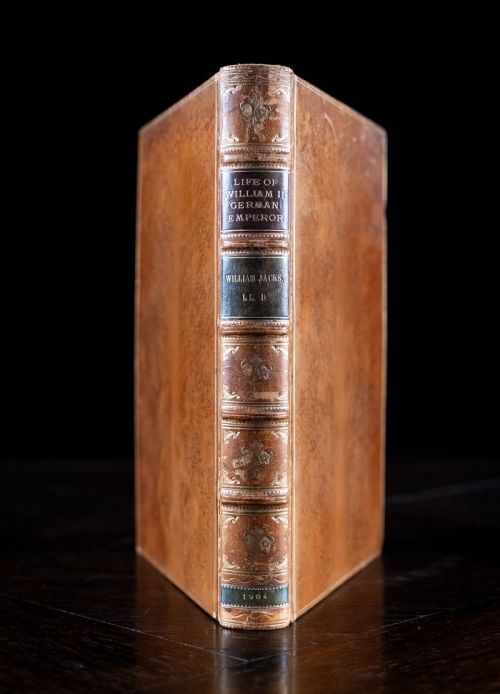
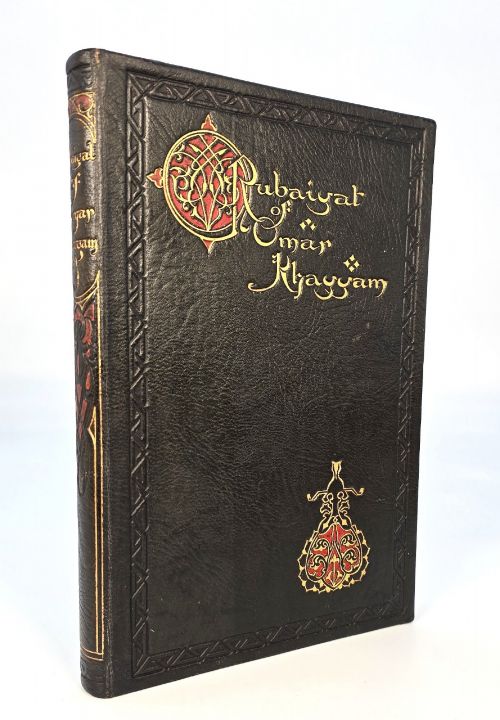
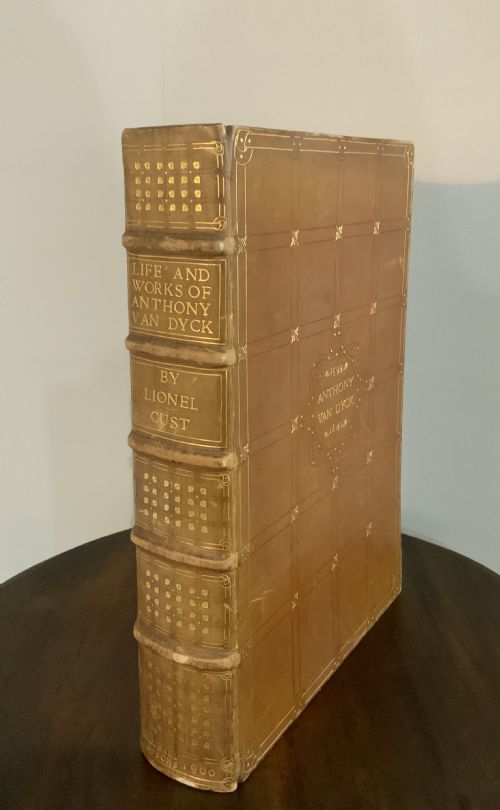
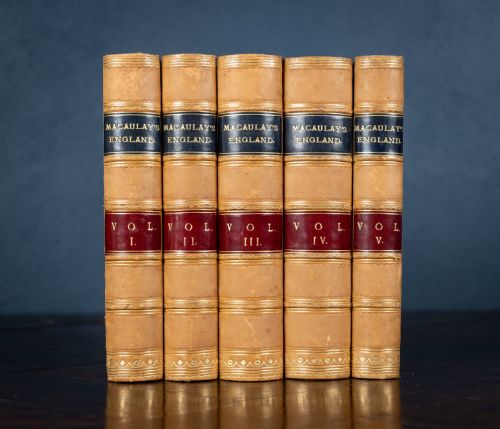
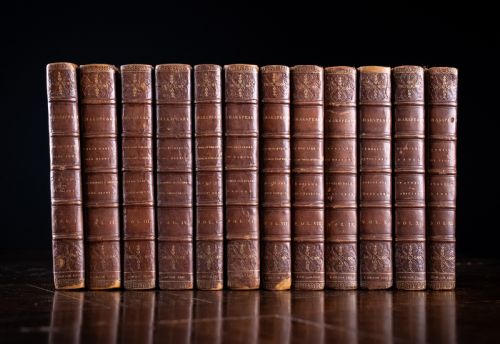
When you search for decorative leather volumes, you are looking at antiquarian books bound in calfskin, vellum, or cloth, featuring rich gilt tooling and durable paper leaves. The versions you are most likely to meet on this page range from single volumes of biography and poetry to multi-volume sets of Shakespeare, history, and sporting novels.
The selections span the eighteenth, nineteenth, and early twentieth centuries, encompassing Georgian, Victorian, and Edwardian publishing traditions. These books functioned as working libraries for past readers while serving as handsome furnishings for period homes.
How they were made
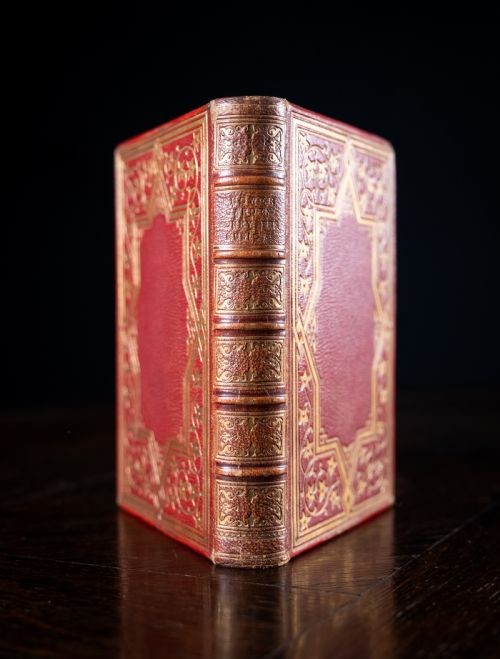
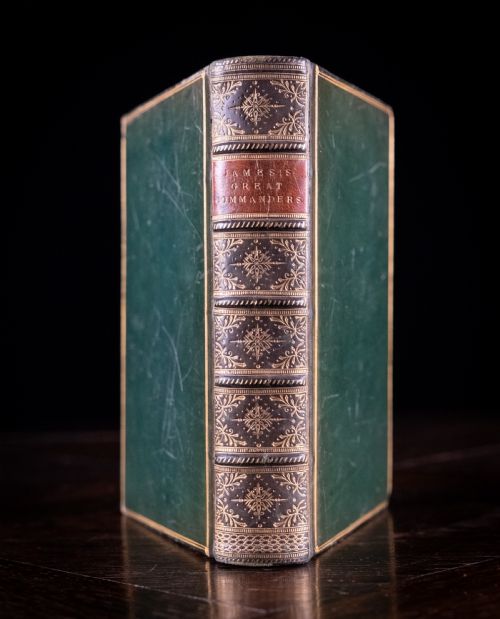
Binders utilised traditional techniques, covering sturdy paper boards in supple calfskin or stiff vellum before applying intricate ornamentation. Craftsmen pressed gold leaf into the leather using heated metal tools, creating bright gilt lettering and decorative borders along the spines and covers.
The text blocks inside were printed on rag paper designed to endure heavy handling, then sewn securely into the bindings. Later nineteenth-century examples often incorporated cloth elements alongside leather spines and corners for added durability.
The listings show bindings executed in calfskin, vellum, and cloth, spanning the Georgian, Victorian, and Edwardian eras.
What varies in quality
The distinction between ordinary copies and superior examples lies in the crispness of the blind and gilt tooling and the uniformity of the binding across a multi-volume set. Finer sets display meticulous hand-tooling and matching leather grains that show careful workshop production.
The quality of the text paper and the integrity of the original binding structure also set finer editions apart from later rebounds or mass-produced decorative sets. Complete multi-volume sets maintained in matching contemporary calfskin represent the higher tier of these publications.
J. & R. Tonson·Henry Young & Son
The Decorative Leather Volumes Glossary
- Calfskin
- A fine, smooth leather prepared from the skin of a calf, frequently used for superior book bindings because it accepts tooling well.
- Vellum
- A prepared animal skin, typically calf or goat, valued for its smooth, pale surface and exceptional durability.
- Gilt tooled
- A method of decorating leather bindings by pressing gold leaf into the material with heated metal stamps.
- First edition
- The earliest published appearance of a text, often sought after by collectors for its textual purity.
- Text block
- The assembled and sewn pages of a book before the outer covers are attached.
Decorative Leather Volumes: Frequently Asked Questions
What are decorative leather volumes?
They are historical books and multi-volume sets bound in materials such as calfskin and vellum, chosen for both their literary content and aesthetic appeal.
Many feature detailed gilt tooling on the spine and covers, making them visually striking objects for display on bookshelves.
How were these books used?
Past owners read them as standard literature, reference works, and poetry collections, while also displaying them to signal learning and taste in domestic interiors.
Multi-volume sets of histories, plays, and novels formed the core of home libraries during the eighteenth and nineteenth centuries.
How do I care for leather books?
Keep them away from direct sunlight and extreme humidity to prevent the leather from drying out and cracking over time.
Allow for proper air circulation around the shelves and handle the bindings gently when removing them from the bookcase.
How can I tell the periods apart?
Eighteenth-century bindings often display simpler calfskin surfaces with raised spine bands and understated lettering, whereas Victorian sets frequently feature elaborate gilt decoration and embossed boards.
Edwardian and early twentieth-century examples frequently combine leather spines with cloth boards or utilise uniform publisher bindings for collected works.