




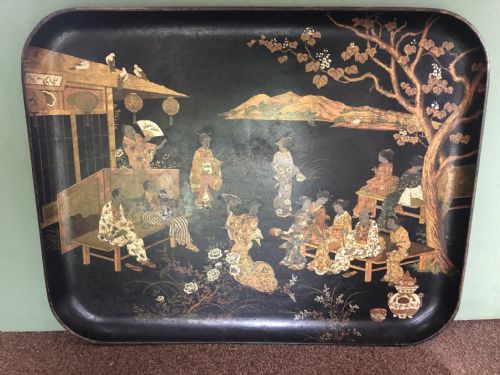
Decorative Lacquer Platter
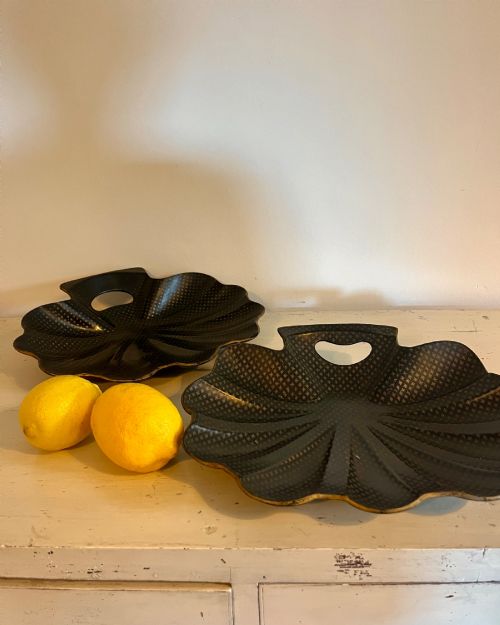
These decorative lacquer platter pieces bring together centuries of skilled handwork and striking painted surfaces to anchor a room or serve a table.
Decorative Lacquer Platter
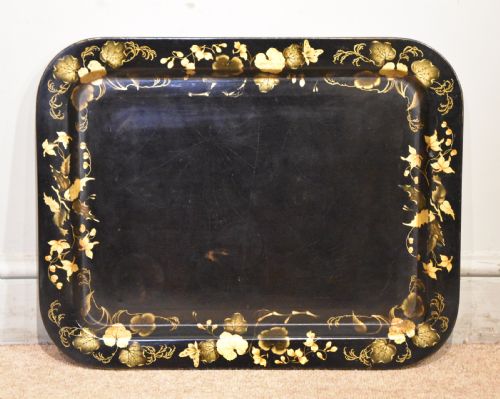
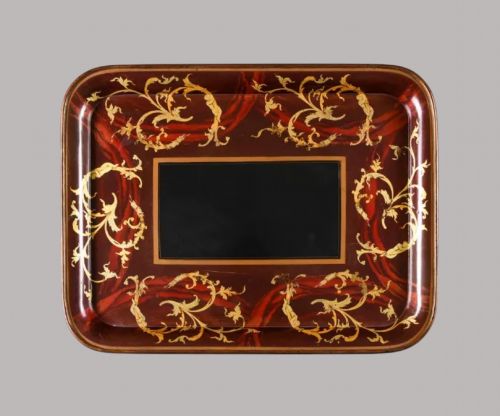
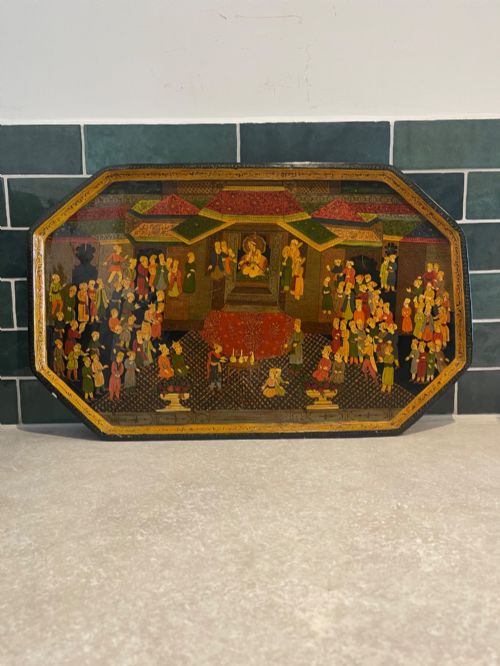
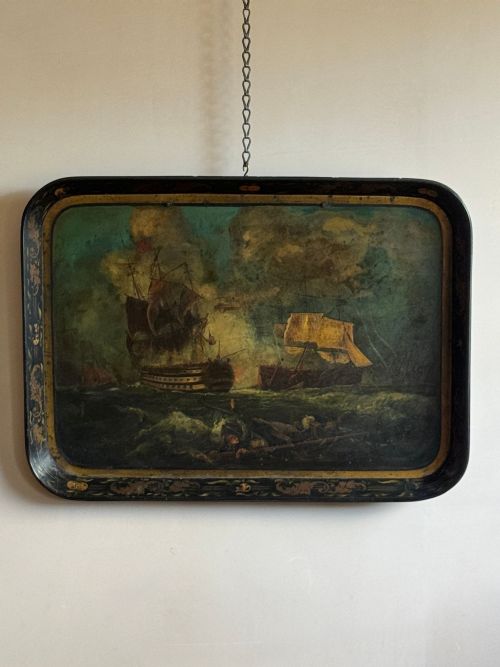
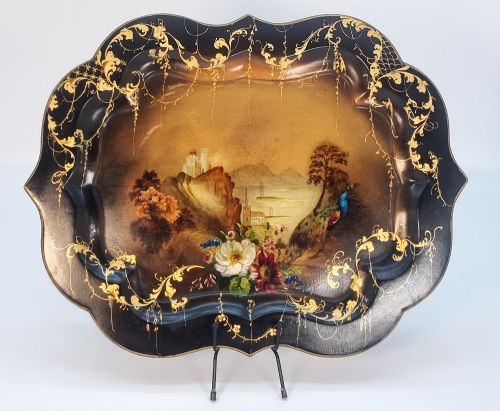
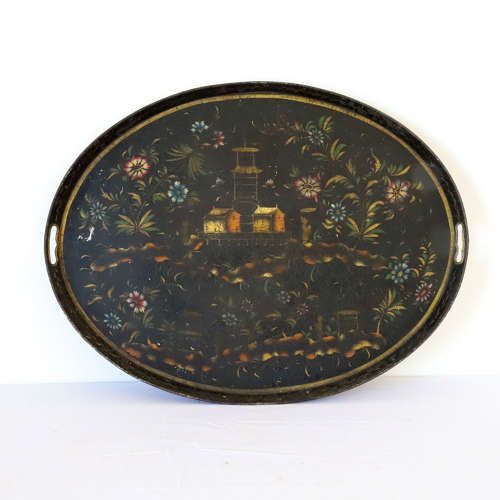
A decorative lacquer platter brings together centuries of diverse global traditions, ranging from English Regency and Victorian workshops to Japanese Meiji period export items and Chinese Qing Dynasty pieces. Buyers seeking a decorative lacquer platter most commonly encounter oval and rectangular papier-mâché or wooden trays dating through the nineteenth century.
The form spans functional serving trays and large wall plaques, often decorated with landscapes, hunting scenes, or figurative motifs. Regional variations emerge clearly across the listings, encompassing English japanned pieces, Swedish Chinoiserie works, and vibrant Kashmiri designs.
Makers utilised resilient papier-mâché and seasoned timber as structural bases, applying layers of varnish to create smooth surfaces for detailed artwork. Collectors find substantial variations in scale, stretching from compact nineteenth-century examples to massive chargers and platters.
How they were made
Craftspeople built papier-mâché bases using layers of paper pulp and glue pressed into moulds and left to dry into rigid forms. Wood and toleware also served as primary foundations for specific regional traditions.
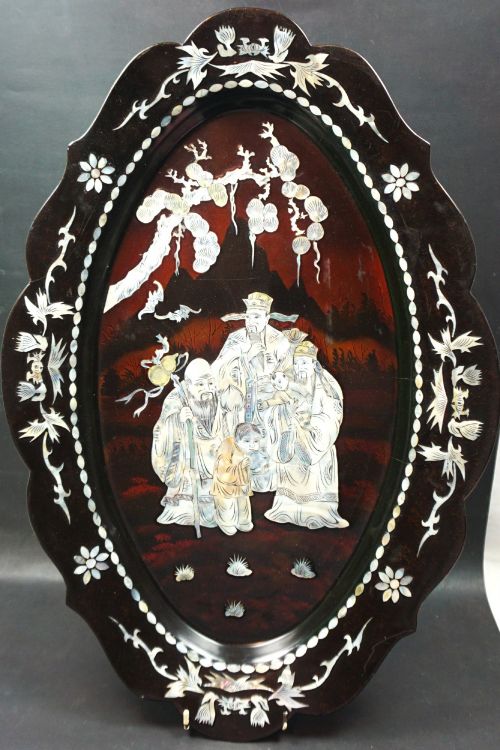
Layers of lacquer build up the protective, glossy surface, which often incorporates gold leaf and hand-painted pigments. Artisans integrated mother-of-pearl inlay into the surface design to catch the light and add depth to landscapes and avian motifs.
A massive eighteenth-century tray brings unexpected fishing scenes straight into the drawing room.
What varies in quality
The strength of the underlying papier-mâché foundation and the stability of the built-up lacquer layers dictate the structural integrity of each piece. Superior examples retain their original painted surfaces and gilding without extensive overpainting.
The precision of the brushwork and the complexity of inlaid materials separate standard production items from masterworks. Quality shows in the depth of perspective within painted hunting scenes and landscapes, alongside the secure placement of mother-of-pearl.
Jennens and Bettridge·Clay
The Decorative Lacquer Platter Glossary
- Papier-mâché
- A composite material made from paper pulp or reinforced paper sheets mixed with glue, pressed and dried to form a rigid body.
- Japanned
- A European imitation of East Asian lacquerwork, created by applying heat-dried varnishes to metal or papier-mâché substrates.
- Toleware
- Enamelled or lacquered metalware, typically sheet iron or steel, finished with painted decoration.
- Charger
- A large decorative plate or platter, often displayed on walls or used for grand service.
- Totai
- A Japanese technique involving porcelain or pottery cores overlaid with carved lacquer or cloisonne elements.
Decorative Lacquer Platter: Frequently Asked Questions
How were these platters originally used?
These items served functional roles in wealthy households for carrying drinks or food, as well as decorative purposes on side tables.
Larger plaques and chargers were frequently displayed vertically on walls to showcase intricate painted scenes and inlaid mother-of-pearl.
How do I care for a lacquer surface?
Keep these pieces away from direct sunlight and damp environments to prevent the lacquer and papier-mâché from degrading over time.
Dust them gently with a dry, soft cloth and avoid chemical cleaning products that can strip the historic varnish.
How do I tell Regency pieces apart?
Regency items often feature deep papier-mâché construction with specific japanned finishes and restrained classical or landscape painting.
Working out the date relies on examining the weight of the papier-mâché and the style of the hand-painted borders.
What distinguishes Japanese export pieces?
Japanese export items from the Meiji period utilise distinct iconography, such as phoenix motifs, alongside meticulous lacquer techniques.
These works frequently incorporate tactile elements like cinnabar lacquer and intricate metallic dust dusting known as makie.