



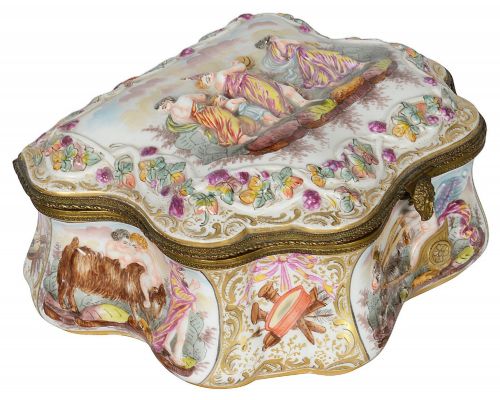
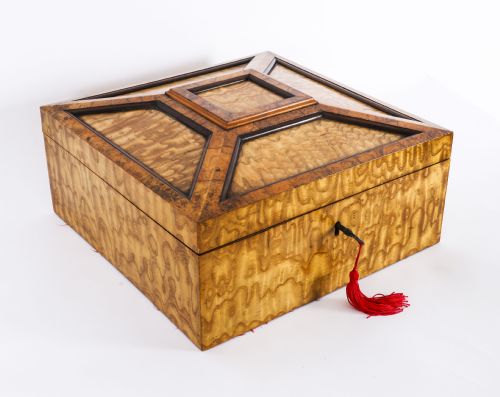
Decorative Keepsake Box
When you search for a decorative keepsake box, you are looking at small caskets designed to hold letters, trinkets, or jewellery.
Decorative Keepsake Box
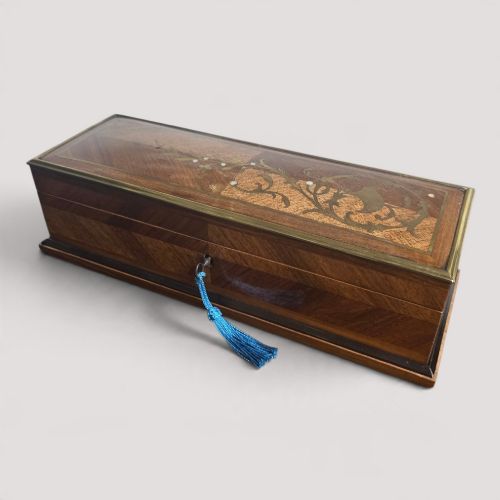
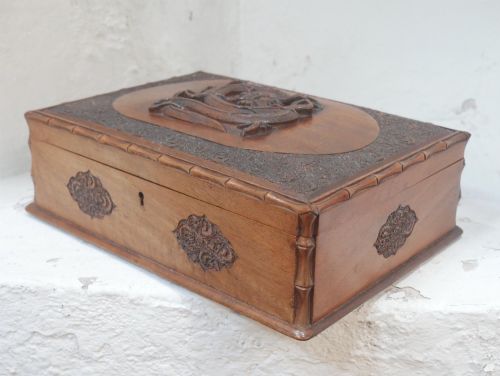
A decorative keepsake box spans several centuries of craftsmanship, appearing in materials from figured woods to worked metals and lacquered finishes. You will encounter pieces from the Georgian, Regency, and Victorian eras, alongside later continental and international examples.
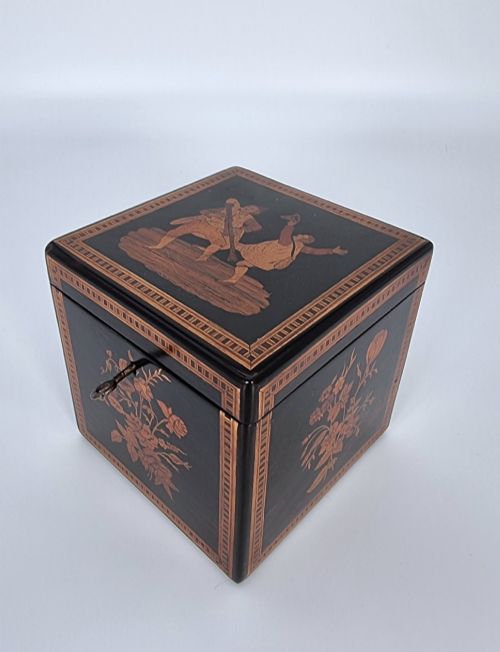
The forms vary from small tabletop caskets and tea caddies to specialised receptacles like stationery boxes, snuff boxes, and small book-shaped containers. Many were made to sit permanently on a desk, dressing table, or parlour surface.
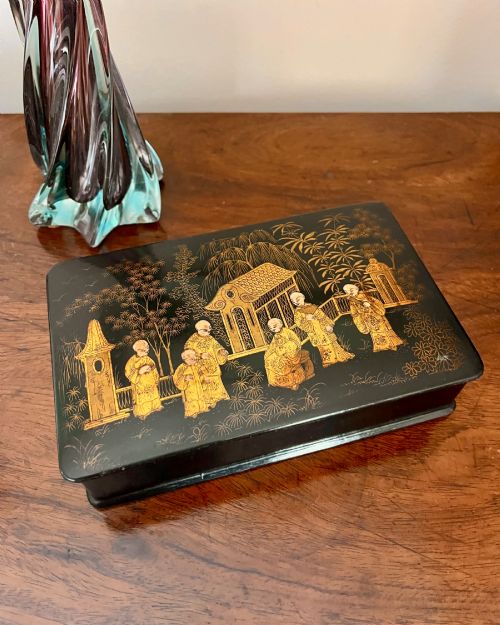
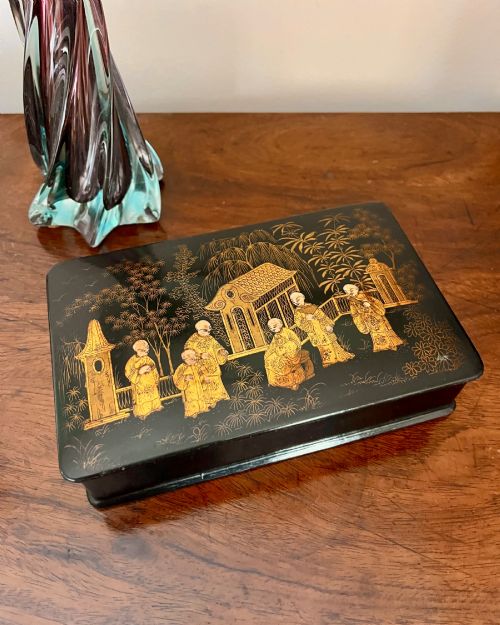
The selection includes regional specialities such as Tunbridge ware, French Boulle work, and Asian lacquered items, reflecting global trade and diverse decorative traditions. Most pieces date from the nineteenth century, though earlier eighteenth-century examples and twentieth-century variations appear regularly.
How They Were Made
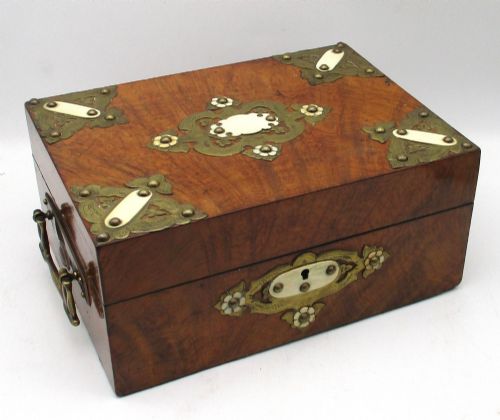
Wood construction relies on dense timbers like walnut, rosewood, and mahogany, often enhanced by burr veneers, parquetry, and mother-of-pearl or bone inlay. Makers also utilised exotic materials such as porcupine quill and tortoiseshell alongside traditional joinery.
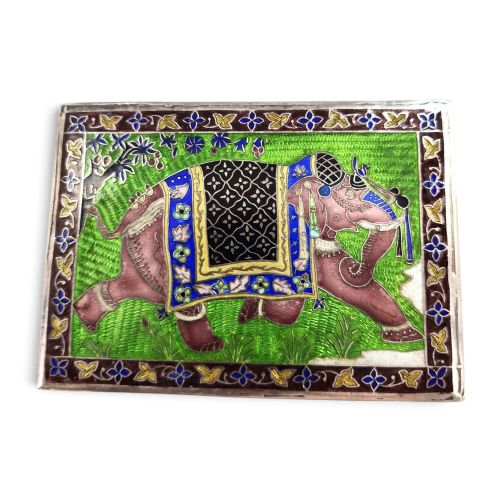
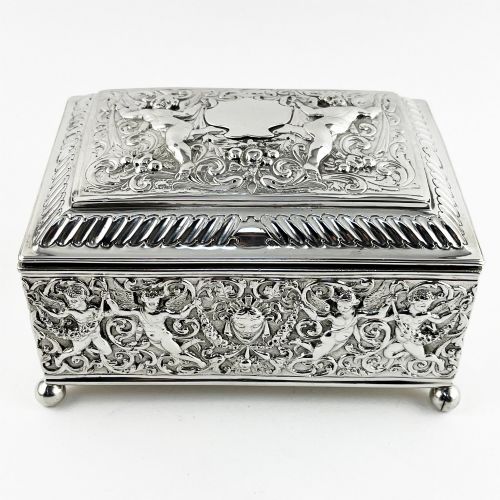
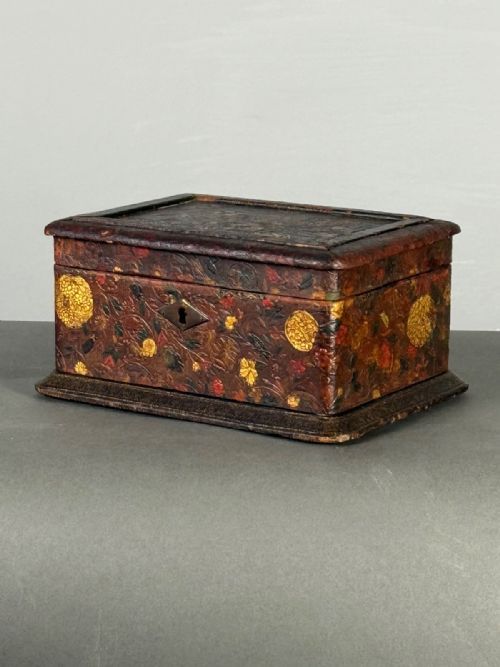
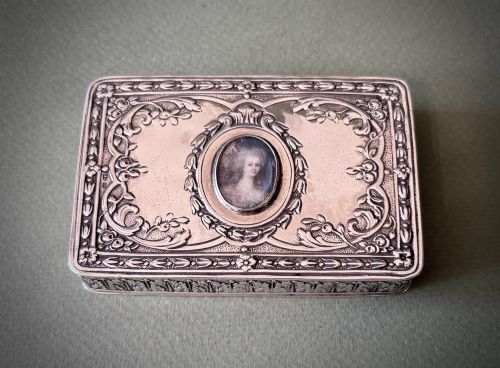
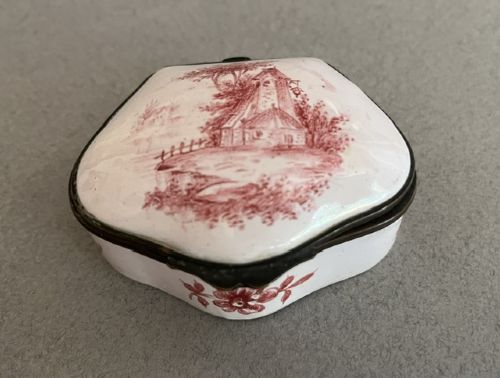
Metal caskets employ brass binding, silver, beaten and riveted steel, and bronze, frequently paired with cloisonné or painted enamel panels. Leather-covered pieces utilise gold leaf tooling, while paper and papier-mâché examples feature detailed hand-painted or lacquered surfaces.
Decorative Keepsake Box Retail Price Guide 2026
Typical asking prices for decorative keepsake box among the pieces listed under this phrase on Sellingantiques today, from the lower quarter to the upper quarter. They describe what is for sale here now, not the wider market.
Listings feature eighteenth-century wood and lacquer boxes alongside nineteenth-century Tunbridge ware, porcelain caskets, and twentieth-century silver and enamel pieces.
What Varies in Quality
The distinction between standard utility items and finer pieces lies in the precision of the surface decoration and the selection of materials. Elaborate parquetry, tightly fitted Tunbridge ware mosaics, and finely chased metalwork indicate higher levels of workshop skill.
Interior fittings also differentiate the range, with lined velvet trays, working locks with original keys, and concealed compartments marking out superior craftsmanship. The integrity of the carcass and the crispness of hand-carved or hand-painted details determine the standing of each box.
SUSSE FRERES PARIS·ERHARD AND SOHNE·S Theeman
The Decorative Keepsake Box Glossary
- Tunbridge ware
- A form of woodworking originating in Kent, characterised by intricate mosaic patterns made from many small pieces of naturally coloured wood. These geometric designs typically cover the exterior lid and sides of small boxes.
- Boulle work
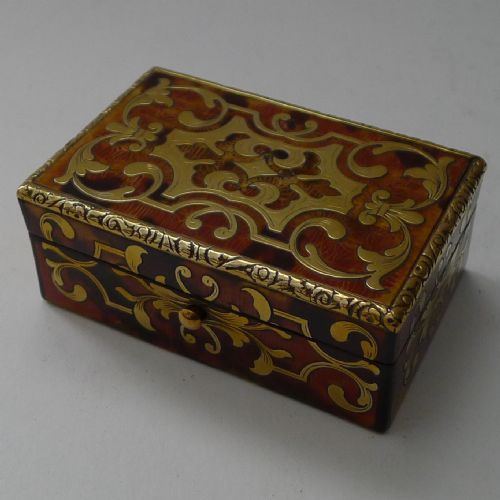
- A style of marquetry using tortoiseshell and brass inlay, named after the French cabinetmaker André-Charles Boulle. It is frequently seen on nineteenth-century French caskets and luxury items.
- Tea caddy
- A box originally designed to store loose tea leaves securely, often featuring internal compartments and a lock. Many survivors from the Georgian and Victorian periods now serve as general keepsake containers.
- Marquetry
- The art of applying decorative pieces of veneer to a structure to form ornamental designs. Craftsmen use various tinted woods and shell materials to create pictorial or geometric scenes.
- Cloisonné
- An enamelling technique where metal wire is soldered to a metal base to create compartments filled with coloured paste. This technique appears on metal caskets and decorative boxes from several periods.
Decorative Keepsake Box: Frequently Asked Questions
What were decorative keepsake boxes used for originally?
These receptacles served multiple purposes in historic households, holding personal correspondence, postage stamps, or small items of jewellery and coinage.
Many contained specialised fitted interiors with velvet lining or compartments tailored to specific objects like tea leaves, cards, or tobacco.
How should I care for an antique wood keepsake box?
Keep wooden and lacquered caskets away from direct sunlight and sudden changes in humidity to protect the delicate veneers and prevent warping.
An occasional light application of appropriate wax polish helps maintain the finish, while metal elements should be cleaned with care.
How can I tell a Victorian box from a Georgian one?
Georgian examples often feature simpler, classical proportions with restrained mahogany or walnut veneers and understated brass handles.
Victorian pieces frequently display heavier ornamentation, including elaborate mother-of-pearl inlay, coromandel wood, or Gothic and Rococo revival detailing.
Are keys usually included with these antique boxes?
Many surviving boxes retain their original working locks, but matching antique keys are occasionally replacements sourced to fit the existing mechanism.
It is common for older caskets to be missing their keys entirely due to loss over the centuries.