


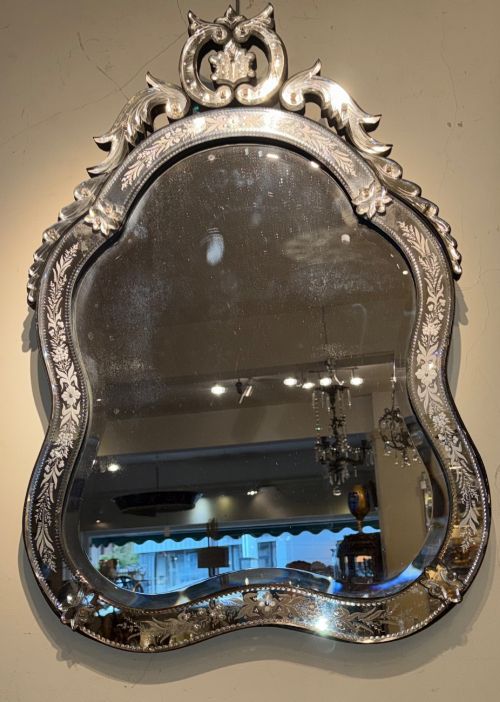
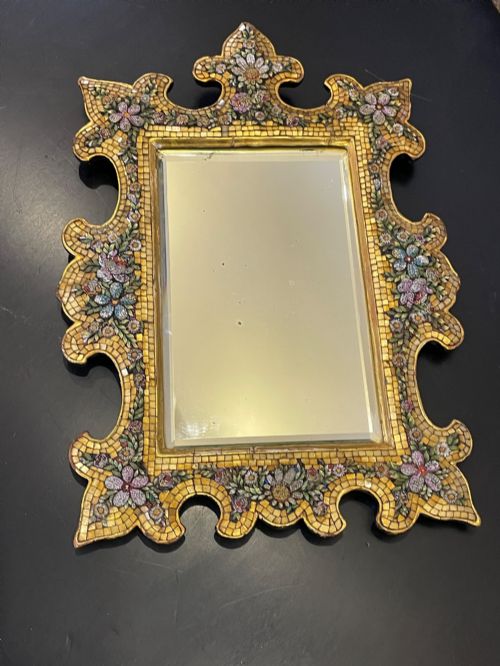
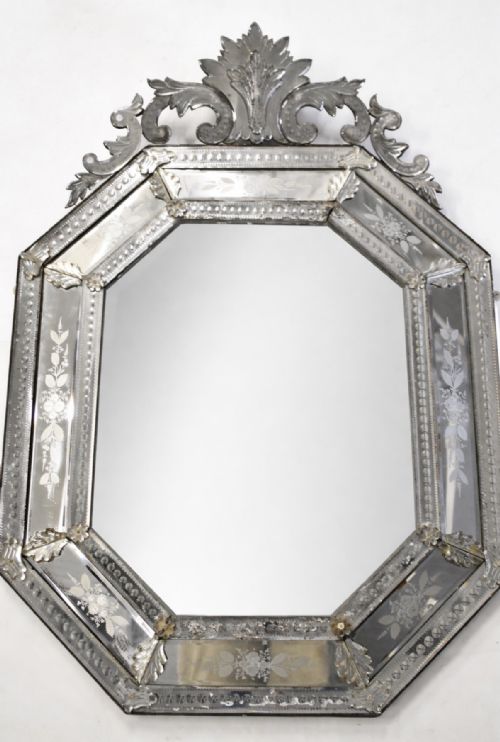


Decorative Italian Glass Mirror
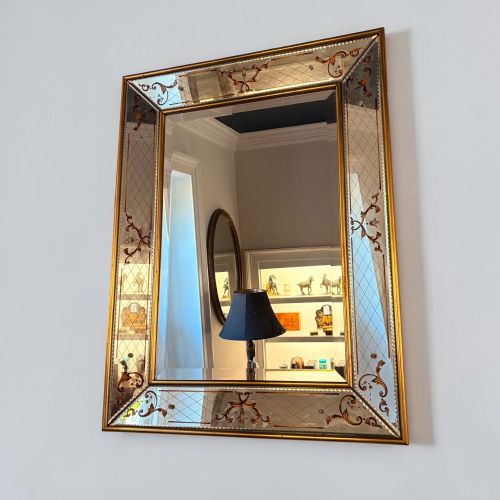
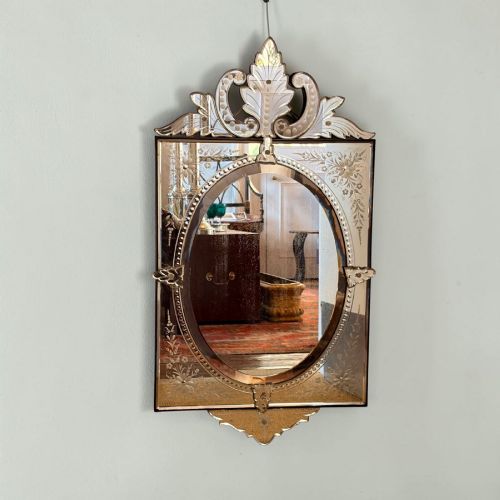
A decorative italian glass mirror brings brilliant light and intricate glasswork into a room, capturing centuries of Venetian and Italian craftsmanship.
Decorative Italian Glass Mirror
When you search for a decorative italian glass mirror, you encounter an array of wall mirrors, dressing mirrors, and pier glasses originating from Italy. The selections span from the eighteenth century through to the mid-twentieth century, encompassing periods like the Victorian, Edwardian, and Art Deco eras.
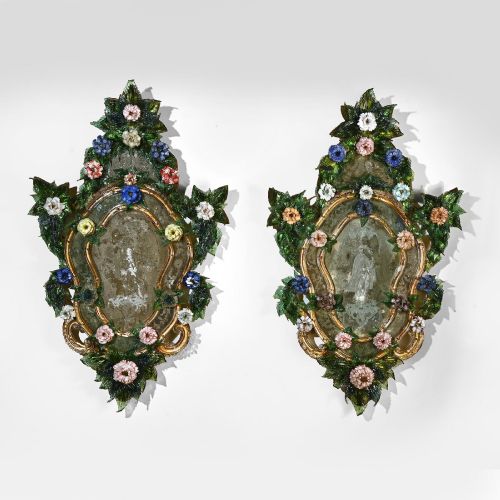
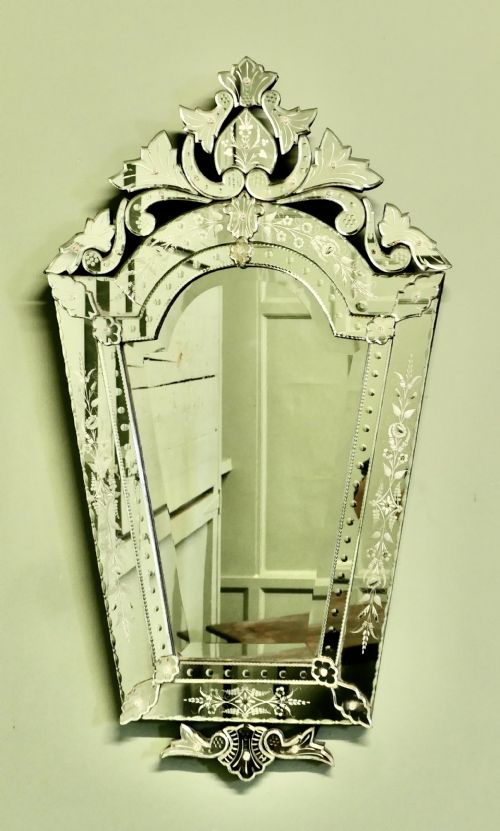
The most common examples on this page are Venetian mirrors, often featuring cushion frames, etched glass plates, and polychrome or carved gilt-wood elements. Pieces range from grand wall hung items to smaller trays and painted pier glasses, showing diverse regional interpretations of Rococo and Neoclassical styles.
How they were made
Artisans constructed these frames using wood, limewood, gesso, and giltwood, applying gold leaf and hand-painted details to ornate carvings. Structural woodwork supports intricate glass components and layered borders.
The glass itself incorporates mirrored glass, cut and etched plates, and ruby red borders characteristic of Murano production. Engraved details and micro mosaic elements are integrated directly into the glass and frame assemblies.
Several mirrors incorporate ruby red glass borders designed to make eighteenth-century partygoers look delightfully flushed in candlelit salons.
What varies in quality
The refinement of the hand-carved giltwood and the complexity of the cut and etched glass plate determine the distinction between standard and superior pieces. Finer mirrors display deep relief in the gesso and wood, alongside crisp, precise engraving on the glass rather than simple surface decoration.
The integration of authentic Murano glass elements and the preservation of original gilding and painted polychrome surfaces elevate the standing of a piece. Older examples from the eighteenth century demonstrate hand-beveled plates and organic imperfections that differentiate them from later revivals.
The Decorative Italian Glass Mirror Glossary
- Cushion mirror
- A mirror style featuring a convex or domed frame profile constructed with angled glass panels that reflect light from multiple directions. This form was particularly popular in Venetian workshops.
- Pier glass
- A tall, narrow mirror designed to hang on the wall space between two windows. These pieces often feature hand-painted decorations and integrated lower glass plates.
- Giltwood
- Wood carved and subsequently coated with a thin layer of gold leaf or metallic powder. It provides a luminous finish that catches ambient room light.
- Murano glass
- Glass produced on the Venetian island of Murano, known for specialised techniques in etching, coloured borders, and intricate glass framing elements.
- Micro mosaic
- Very small coloured glass or ceramic tesserae assembled to create detailed pictorial motifs. These elements are occasionally set directly into the frames of nineteenth-century Italian mirrors.
Decorative Italian Glass Mirror: Frequently Asked Questions
How do I hang a heavy Venetian mirror safely?
These mirrors often combine heavy carved wooden frames with fragile glass plates, requiring secure wall anchors suited to the specific weight. Professional installation using appropriate brackets ensures the frame remains supported without stressing the glass components.
Position the mirror at eye level where it can reflect natural light from windows, enhancing the brightness of the room while protecting the piece from accidental knocks in high-traffic hallways.
How should I clean an antique etched glass mirror?
Use a soft, dry microfiber cloth to gently remove dust from the glass surface and intricate frame crevices. Avoid harsh chemical cleaners or abrasive materials that can damage silvered backing or delicate etched designs.
If moisture is necessary, apply a mild, alcohol-free glass cleaner sparingly to the cloth rather than directly onto the mirror plate. This prevents liquid from seeping behind old glass plates or lifting delicate gilt and painted finishes.
What is the difference between Venetian and Rococo Italian mirrors?
Venetian mirrors prioritize extensive use of glass elements, including etched central plates, glass framing strips, and applied floral glass motifs. They rely on transparency and reflection to create ornate visual depth.
Italian Rococo mirrors emphasise heavily carved wooden frames finished in giltwood or polychrome paint, featuring asymmetrical scrolls and naturalistic motifs. While both styles share origins in Italy, Rococo pieces focus on sculptural woodcraft rather than glass assembly.
Can these mirrors be used in bathrooms?
High humidity and fluctuating temperatures in bathrooms can degrade antique silvered mirror plates and soften historic gesso and glue-based gilding. Placing them in dry living areas, bedrooms, or hallways helps preserve the materials.
If placed near a bathroom, ensure adequate ventilation and keep the wooden and glass components safe from direct steam exposure to prevent long-term degradation of the original finish.