



Edwardian Etched Glass Mirror
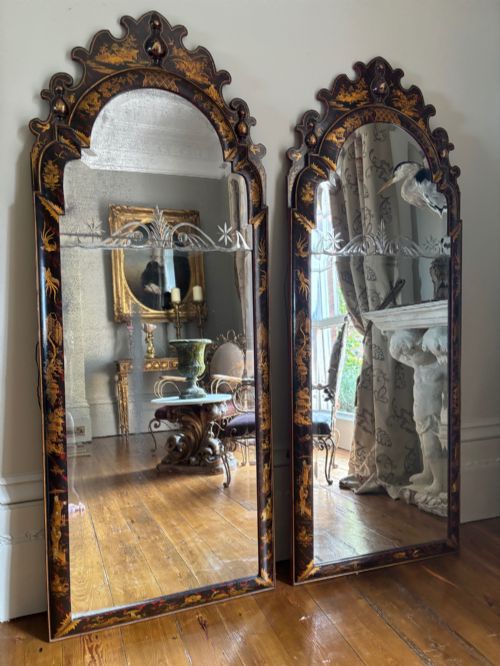
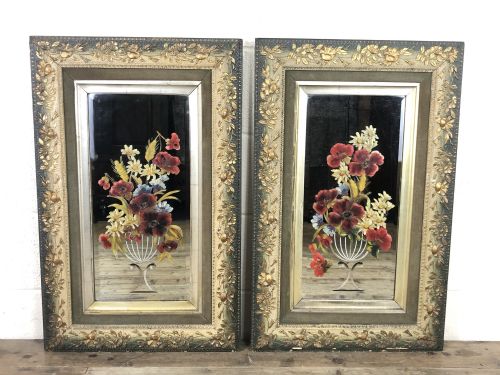
An edwardian etched glass mirror brings crisp period light into a room, combining crisp engraving with the clean lines typical of the era.
Edwardian Etched Glass Mirror
When searching for an edwardian etched glass mirror, buyers encounter wall mirrors and mirror plates shaped by the design movements of the late nineteenth and early twentieth centuries. The selection on this page ranges from Edwardian examples to Victorian pieces and items styled after the Queen Anne revival.
Most pieces combine glass, mirrored glass, and wood or brass frames, often incorporating styles such as Art Nouveau or Venetian framing techniques. Forms vary from simple wall mirrors to fire screens and advertisement mirrors.
How they were made
Makers utilised glass and mirror glass, setting plates into wooden frames of oak or mounting them within brass framework. Gilt finishes and painted details frequently enhanced the surrounding structure.
Techniques relied on careful cutting and etching directly onto the glass surface to create decorative borders and motifs, paired with traditional framing methods seen in Venetian and regional British workshops.
Gypsy style mirrors bring a touch of bohemian flair to domestic walls, proving that Victorians loved a bit of eclectic sparkle just as much as we do.
What varies in quality
Quality rests upon the precision of the glass cutting and the clarity of the etching across the surface. Finer examples display crisp, deliberate lines within the engraved design rather than shallow or blurred marks.
The construction of the frame dictates the overall standard, distinguishing simple commercial pieces from exceptional pairs that retain their original brass or painted decoration intact.
The Edwardian Etched Glass Mirror Glossary
- Etched glass
- Glass treated with acid or abrasive techniques to wear away the surface in specific patterns, creating opaque designs against clear areas.
- Edwardian period
- The era spanning the reign of King Edward VII, characterised by lighter domestic interiors and a blend of revived historical styles with early modern influences.
- Art Nouveau
- A decorative style from the turn of the twentieth century defined by flowing, organic lines and natural motifs.
- Fire screen
- A decorative panel placed in front of a fireplace when not in use, often featuring glass or mirrored panels in a brass frame.
Edwardian Etched Glass Mirror: Frequently Asked Questions
How do I clean an etched glass mirror?
Clean the surface gently using a soft cloth and a mild glass cleaning solution, avoiding harsh abrasives that could damage the etched areas.
Take care near the edges of the mirror plate and the frame to prevent moisture from seeping behind the glass.
Where should I hang a wall mirror?
Hang the piece securely on a stable wall where it can reflect natural light and brighten darker corners of a room.
Ensure the wall fixings match the weight of the frame, particularly for larger examples featuring heavy glass and wood.
What is a fire screen mirror?
A fire screen is a decorative accessory designed to stand before an inactive fireplace, often incorporating a framed glass panel.
These pieces served both a practical purpose in the hearth and a decorative one as an interior furnishing.
How do I tell different periods apart?
Distinguish periods by examining the framing style and decorative motifs, noting the flowing organic lines of Art Nouveau versus the cleaner symmetry of Edwardian designs.
Materials and construction techniques also offer clues, shifting from nineteenth-century commercial methods to twentieth-century domestic aesthetics.