

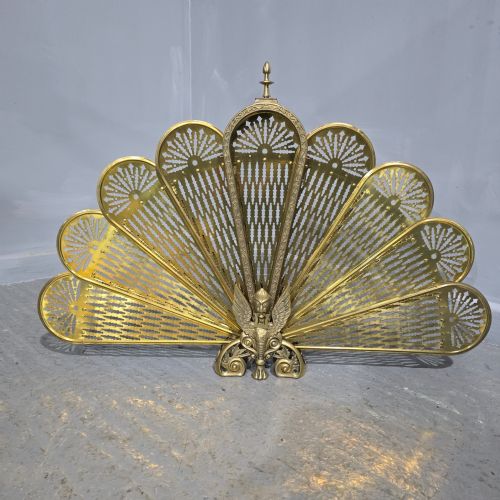


Decorative Hearth Screen
A decorative hearth screen shields a room from intense heat while dressing an idle fireplace during warmer months.
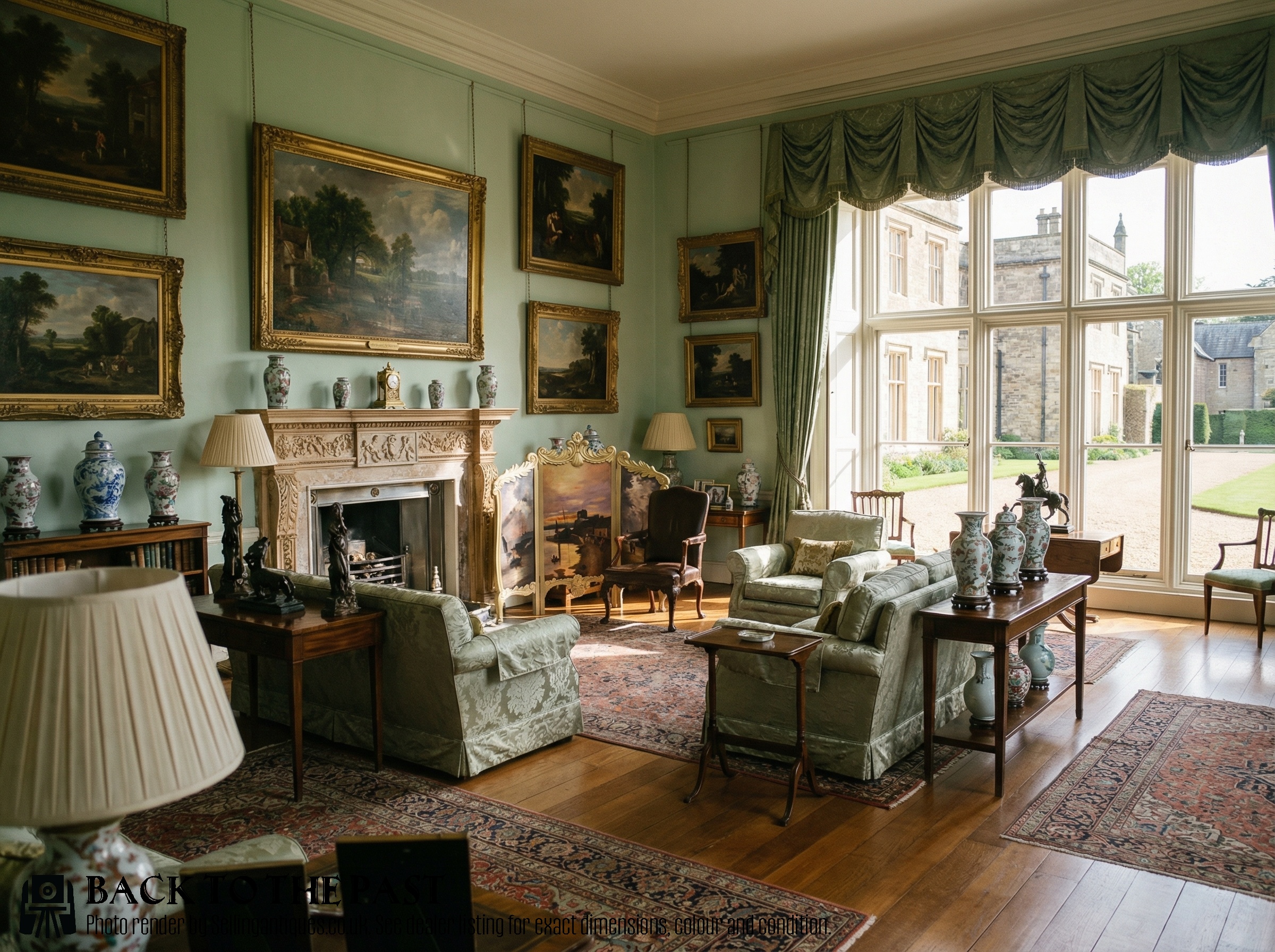
Decorative Hearth Screen
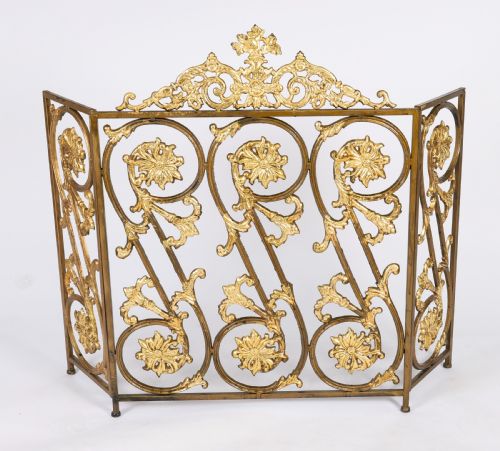
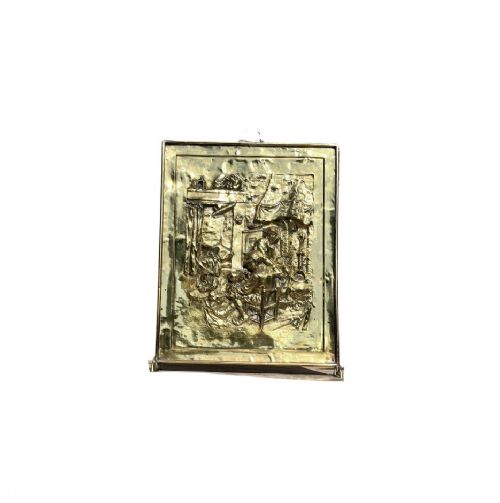
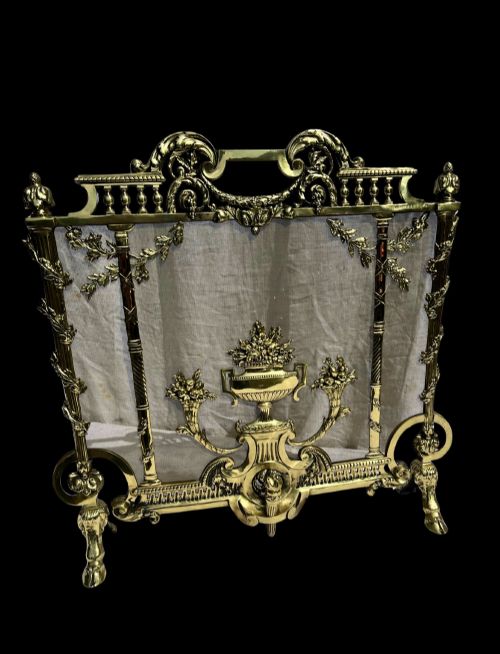
A decorative hearth screen serves as both a practical barrier against stray sparks and an ornamental focal point for the room when the hearth is unlit. Pieces appearing in this selection span from the Victorian era into the 1930s, encompassing styles from restrained Arts and Crafts designs to ornate French revivals.
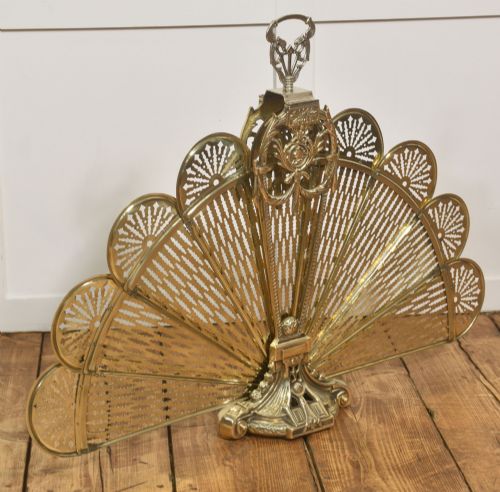
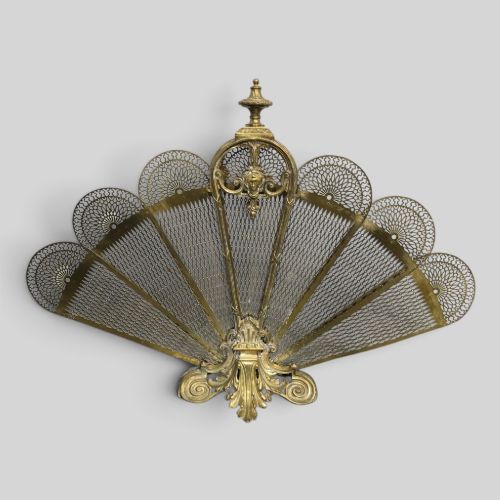
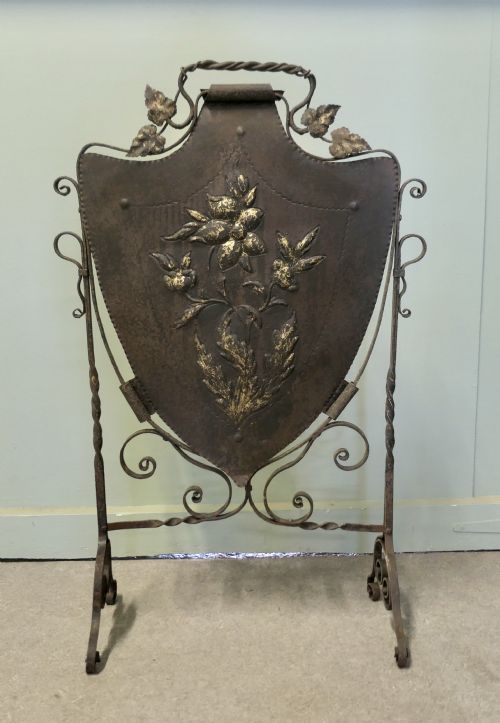
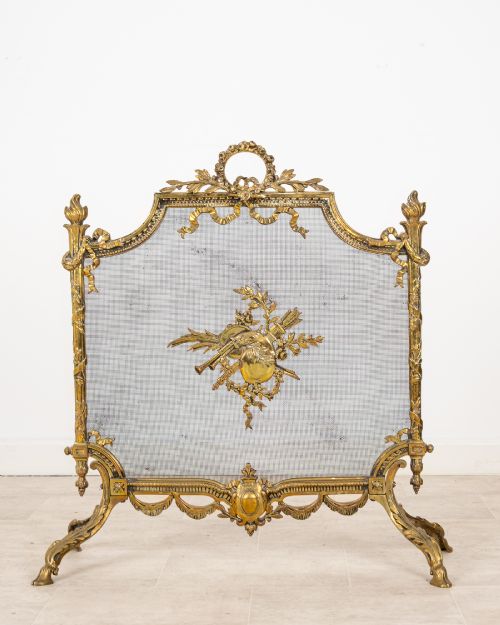
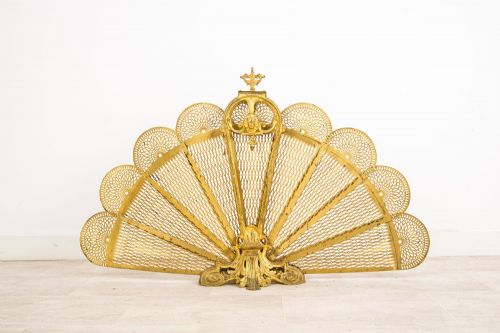
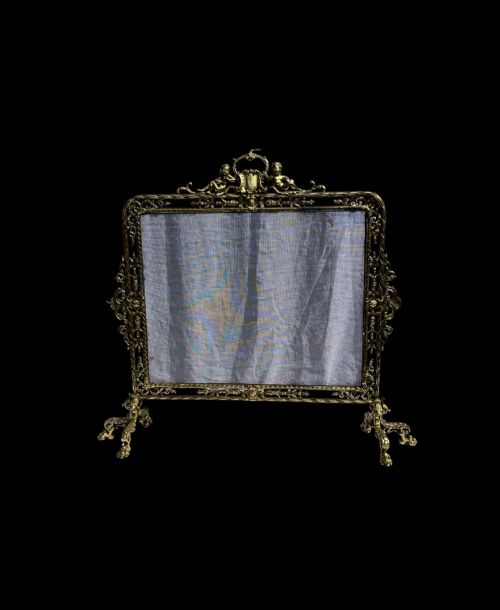
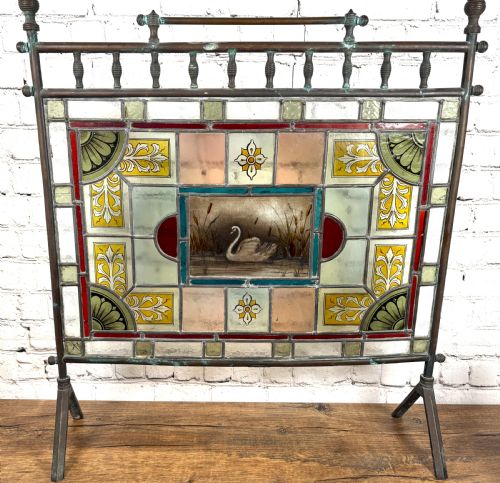
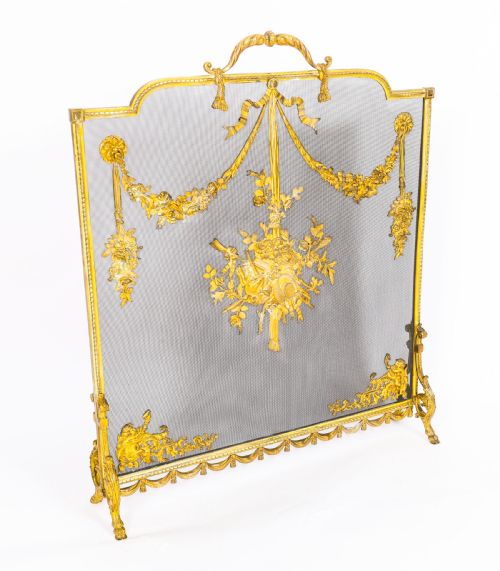
The most common formats include folding brass peacock fan screens, glazed frames holding stained or cut glass panels, and solid metal mesh guards framed in wrought iron or gilt bronze. Many examples incorporate intricate tapestry panels, floral needlework, or painted details set within sturdy metal stands.
Origins cluster around domestic British and French workshops from the nineteenth and early twentieth centuries. Buyers encounter both utilitarian spark guards designed for heavy coal fires and delicate salon pieces intended purely for visual display.
Materials and construction methods
Metals dominate the construction of these pieces, with cast and sheet brass, wrought iron, copper, and gilt bronze forming the structural frames and decorative mounts. Artisans utilised wire mesh and metal mesh inserts to catch embers while maintaining visibility of the flames behind.
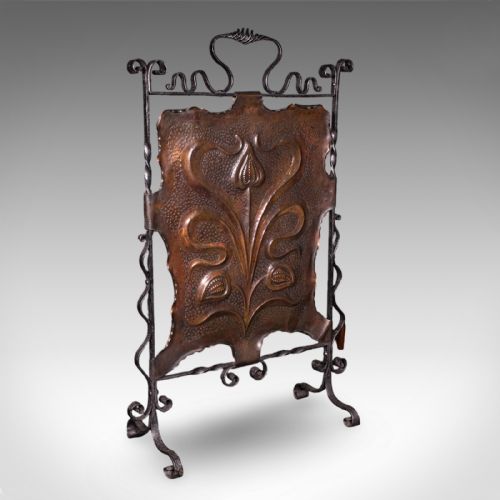
Decorative elements frequently involve hand-beaten copper panels, cast ormolu mounts, and leaded stained or cut glass inserts. Textile components rely on silk embroidery, tapestry weaving, and needlework pictures stretched securely across internal wooden or metal armatures.
Folding mechanisms on fan screens utilise articulated metal blades that pivot smoothly from a central base, allowing the piece to expand into a semicircle or collapse flat for storage. Rivets, brazed joints, and scrolled ironwork secure the heavier standing frames.
The selection includes both French Louis-style revival pieces and British Arts and Crafts designs utilising needlework and stained glass.
Assessing craftsmanship and execution
Quality reveals itself in the weight and rigidity of the metal frame, the precision of the joints, and the depth of surface chasing on cast brass or gilt bronze. Superior examples display crisp, hand-finished detailing on scrollwork and cast motifs rather than soft, mass-produced contours.
The integrity of integrated materials distinguishes finer pieces, such as tightly woven wire mesh without distortion, securely leaded glass panels, or finely stitched needlework free from fraying. Heavier gauge metals prevent warping under the radiant heat of an active fire.
Artisanal intent dictates the upper tier of the range, where French Rococo or Art Nouveau styling is expressed through purposeful, balanced composition rather than superficial surface ornamentation.
The Decorative Hearth Screen Glossary
- Spark guard
- A protective wire or metal mesh screen placed before an open fire to catch escaping embers and protect surrounding carpets. These functional items often double as decorative hearth screens.
- Ormolu
- Gilded bronze or brass mounts applied to furniture and fireplace accessories during the eighteenth and nineteenth centuries. The technique involves coating base metal with a mercury-gold amalgam to achieve a rich golden lustre.
- Needlework
- Hand-stitched textile art utilising wool or silk yarn on a canvas ground. Such panels frequently form the decorative centrepiece of nineteenth-century standing screens.
- Rococo revival
- A nineteenth-century design style characterised by asymmetrical scrolls, C-scrolls, shell motifs, and naturalistic floral elements. It heavily influences many French brass and gilt bronze screens in this selection.
- Peacock fan screen
- An articulating screen composed of folding metal blades that fan outwards into a semicircular shape resembling a peacock tail. They became exceptionally popular during the late Victorian period.
Decorative Hearth Screen: Frequently Asked Questions
How do I choose the right size screen?
Measure the width and height of your fireplace opening to ensure the screen adequately covers the aperture while leaving sufficient clearance on the hearth. Standing frames need enough physical footprint to remain stable against accidental bumps.
Consider whether you want a folding fan screen that adjusts to different widths or a rigid panel that provides fixed, full coverage across the entire hearth front.
Can these screens be used with a real fire?
Many metal mesh and iron screens were specifically engineered as spark guards to contain embers from active coal or wood fires. Solid brass and iron frames handle radiant heat safely, provided the mesh remains intact.
Screens featuring delicate silk embroidery, glass panels, or painted surfaces are better suited for decorative use during warmer months when the hearth is unlit.
How do I clean and maintain antique brass?
Dust regularly with a soft, dry cloth to prevent the accumulation of soot and grime from the fireplace environment. Avoid harsh chemical polishes that strip away aged patination and historical depth.
If cleaning is necessary, use a mild, non-abrasive metal cleaner specifically formulated for antique brass, applying it sparingly with a soft cloth.
Are folding fan screens fragile?
Articulating brass fan screens require gentle handling when expanding and collapsing the individual metal blades to avoid bending the pivot pins. Store them in a stable position where they will not be knocked over.
Check that the base and retaining clip remain secure so the fan holds its intended shape when fully opened on the hearth.