





Decorative Glass Shade Lamp
These decorative glass shade lamp examples combine brass, ceramic, and cast metal bases with coloured glass fittings to light interiors.
Decorative Glass Shade Lamp
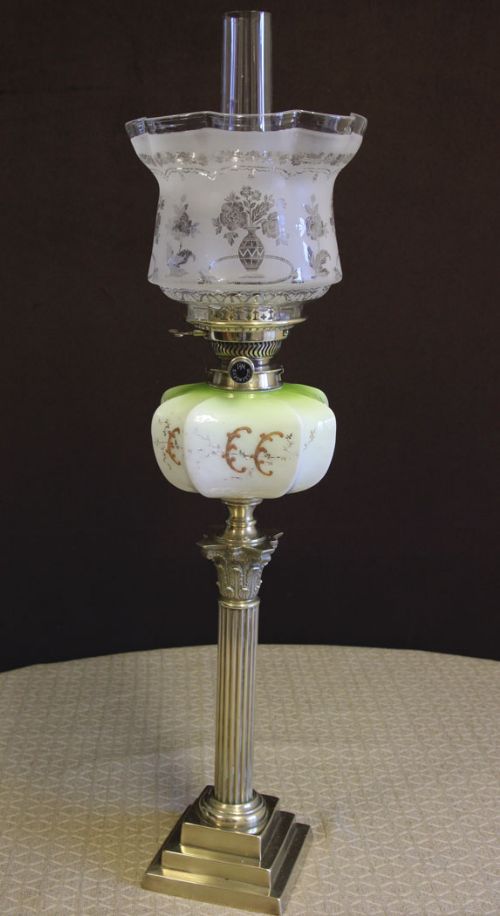
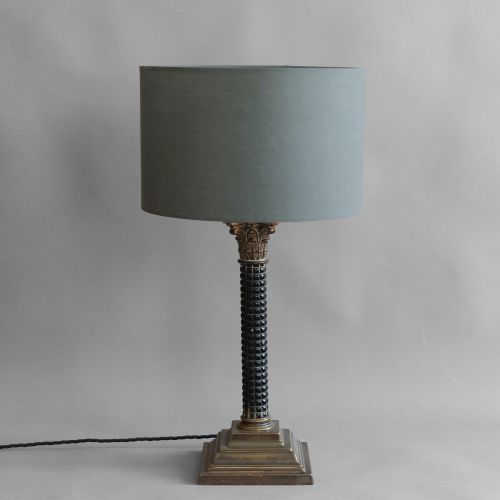
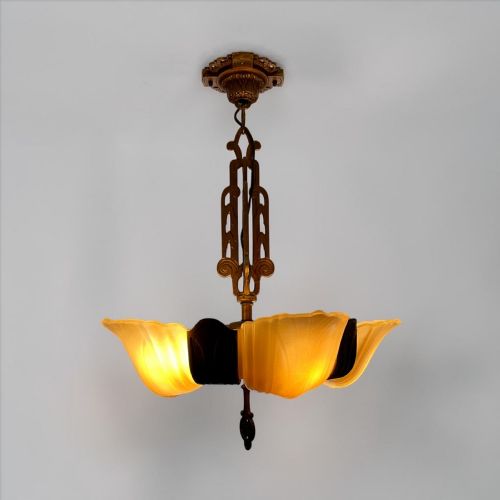
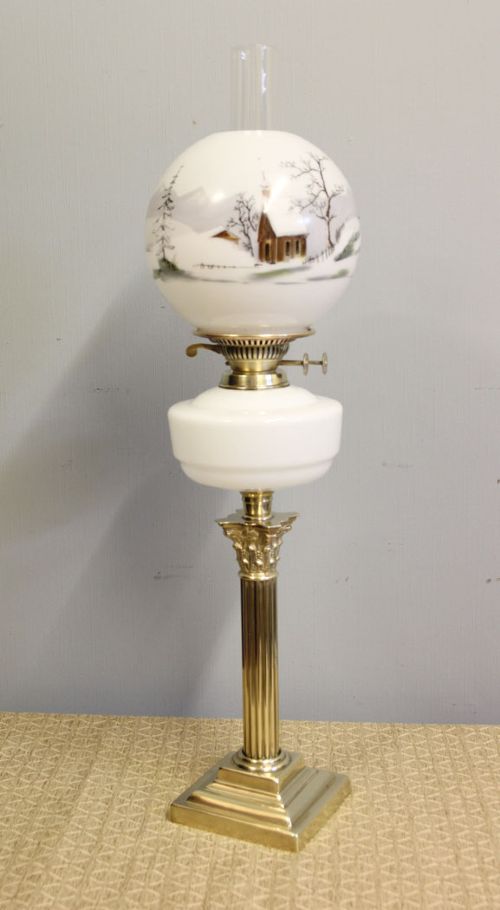
A decorative glass shade lamp encompasses table lamps, oil lamps, ceiling lights, and pendant lights produced across the nineteenth and twentieth centuries. The selection on this page ranges from Victorian and Edwardian oil lamps to Art Nouveau and Art Deco hanging fittings.
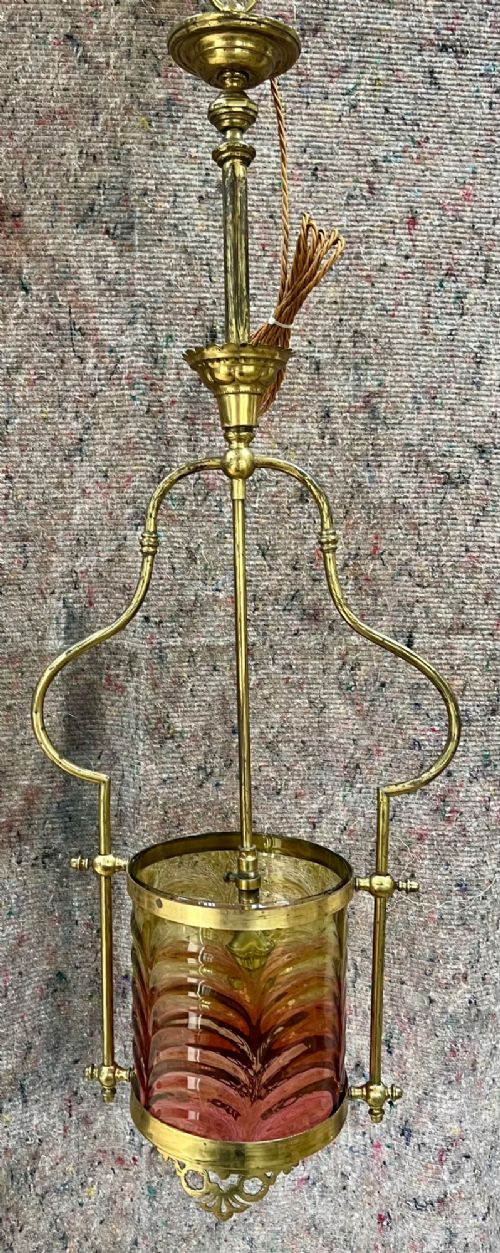
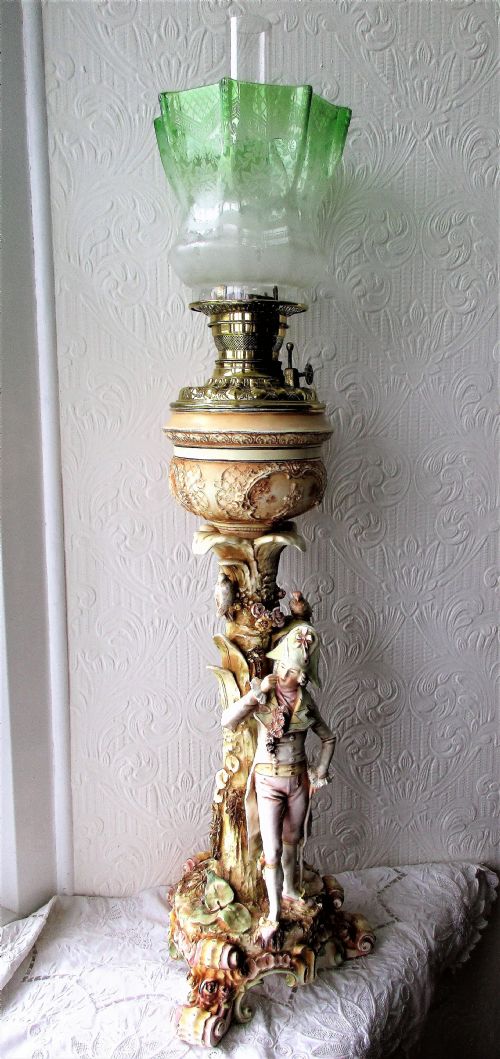
Buyers encounter Victorian brass oil lamps with etched or pink fonts alongside Art Nouveau designs featuring cranberry glass and Neoclassical revival column lamps. Forms span from simple table lamps to floor lamps and large hanging lanterns.
The materials paired with these glass shades include brass, cast metal, ceramic, and chrome, reflecting periods from the 1870s through to the 1930s.
How they were made
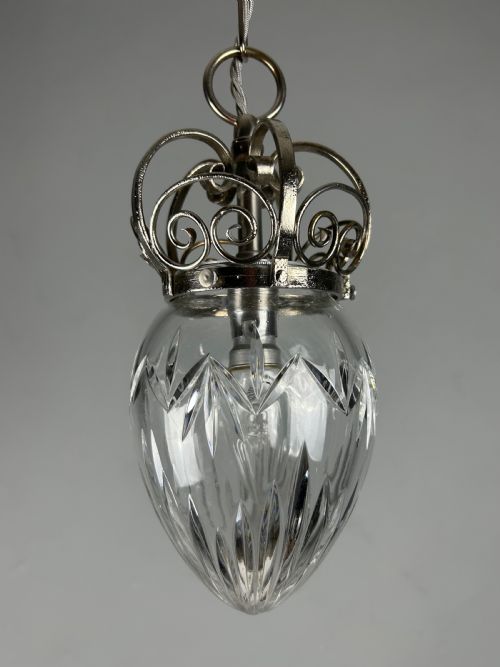
Makers utilised cast and spun brass, cast metal, and porcelain to form the structural bodies and columns of these lamps, often combining them with weighted bases for stability. Glass components were blown, pressed, or cut, then frequently frosted, painted, or etched with patterns.
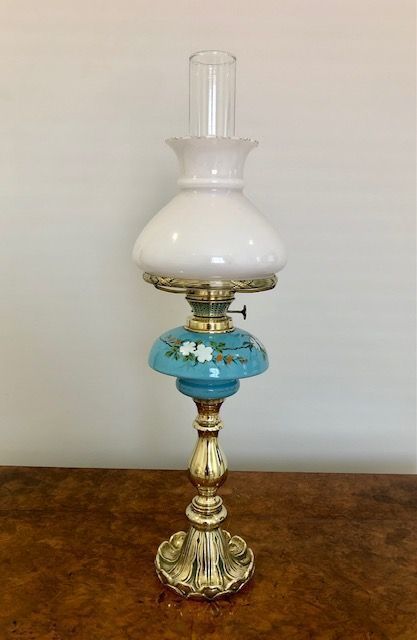
Colour was introduced to the glass through metallic oxides, producing cranberry glass, milk glass, and blue glass variants. Metal components received finishes such as bronzing or chrome plating to complement the coloured glass shades and fonts.
Decorative Glass Shade Lamp Retail Price Guide 2026
Typical asking prices for decorative glass shade lamp among the pieces listed under this phrase on Sellingantiques today, from the lower quarter to the upper quarter. They describe what is for sale here now, not the wider market.
Periods represented on this page span the nineteenth century, the 1870s, 1880s, 1890s, 1900, 1910, 1930, and the Edwardian era.
What varies in quality
The refinement of the metal casting and the crispness of the chasing on brass columns set the better examples apart from simpler production. Heavier gauge metals and substantial glass weights indicate superior manufacturing standards.
Artistry in the glass treatment, such as deeply etched floral motifs on ruby glass or hand-painted details on porcelain bowls and shades, distinguishes the finer pieces in this group.
The Decorative Glass Shade Lamp Glossary
- Cranberry glass
- A rich red transparent glass produced by adding gold chloride to the molten batch. It is frequently seen in Victorian and Art Nouveau lighting.
- Slip shade
- A type of pressed glass shade used predominantly in Art Deco light fixtures that slots directly into a metal frame.
- Corinthian column
- A classical architectural column style featuring ornate acanthus leaf capitals, often adapted for the stems of nineteenth-century oil lamps.
- Etched glass
- Glass decorated by applying an acid or mechanical technique to cut patterns into the surface, revealing a frosted design against clear or coloured glass.
Decorative Glass Shade Lamp: Frequently Asked Questions
How do I date a lamp?
Dating relies on stylistic markers, manufacturing techniques, and materials such as brass, cast metal, or chrome. Victorian and Edwardian examples often feature oil lamp conversions, whereas 1930s pieces typically display Art Deco or chrome ceiling fittings.
Examining the construction of the collar, burner, and shade fixings provides further clues to the period of manufacture.
Are these lamps electrified?
Many historical oil lamps have been converted to electricity for modern use, while others retain their original ceiling or table light wiring from the early twentieth century. Some pieces may require rewiring by a professional to meet current safety standards.
Checking the listing details will confirm whether a piece is currently wired or sold as a decorative base.
What is cranberry glass?
Cranberry glass is a pinkish-red transparent glass created by melting gold into the glass mixture. It became popular during the Victorian period for decorative shades and fonts.
This distinct colour appears frequently in late nineteenth-century table lamps and ceiling fittings.
How should I clean the glass shade?
Glass shades benefit from gentle cleaning with warm soapy water and a soft cloth to preserve hand-painted details or etched surfaces. Avoid using harsh chemical abrasives on frosted, painted, or coloured glass.
Careful handling prevents accidental chipping of delicate rims and edges.