






Decorative Ginger Jar
These decorative ginger jar pieces bring centuries of international craftsmanship into your home, offering bold colour and rich historical form.
Decorative Ginger Jar
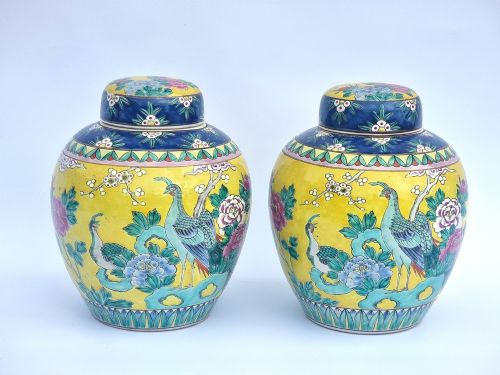
A decorative ginger jar is a lidded vessel originally designed for spices, which evolved into a staple form for display across diverse global traditions. When you search for this phrase, you encounter forms ranging from traditional Chinese porcelain to Japanese Imari wares and European ceramic interpretations.
The pieces on this page span several centuries, with a strong representation of nineteenth-century Japanese exports and early twentieth-century European pottery. You will find items categorised variously as lidded jars, vases and covers, or tea caddies, reflecting how versatile the original utility became.
Many examples showcase distinct regional aesthetics, such as Japanese Meiji period cloisonne enamel or intricate Chinoiserie designs applied by British and continental potteries. The surviving objects balance practical storage origins with pure ornamental appeal.
How they were made
Potters and artisans shaped these vessels from ceramic, earthenware, and porcelain, often applying an opaque or translucent glaze before firing. Some forms incorporate metal elements, utilising brass or copper wires to contain vibrant enamel cells in cloisonne pieces.
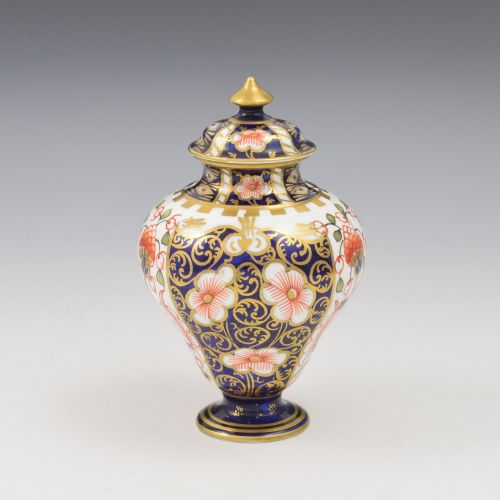
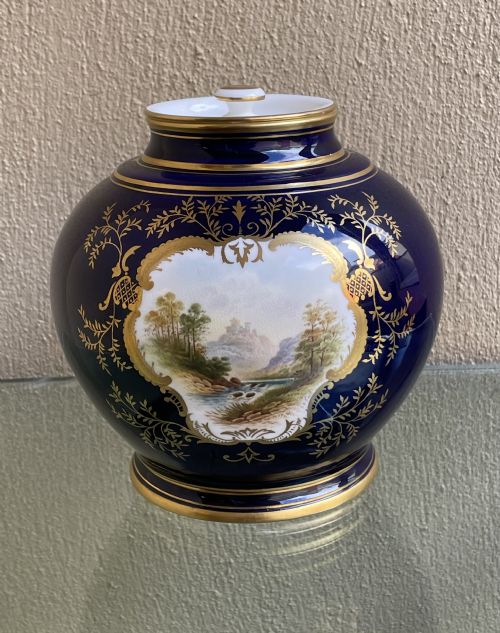
Surface decoration relies heavily on handpainted pigments, gold leaf accents, and intricate mosaic wirework. Firing techniques varied widely between East Asian kilns and European factories such as Royal Crown Derby, Coalport, and Dresden.
Decorative Ginger Jar Retail Price Guide 2026
Typical asking prices for decorative ginger jar among the pieces listed under this phrase on Sellingantiques today, from the lower quarter to the upper quarter. They describe what is for sale here now, not the wider market.
Listings feature porcelain, earthenware, and enamel pieces spanning the eighteenth to the twentieth centuries.
What varies in quality
Quality in these pieces rests upon the precision of the handpainting and the crispness of the underlying ceramic or metal form. Superior examples display tightly controlled enamel work and balanced symmetry that survive intact across the centuries.
The distinction between standard commercial output and finer studio or factory work lies in the depth of the glaze and the complexity of the palette. Pieces bearing established workshop signatures or precise period marks generally reflect a higher standard of artistic execution.
Royal Crown Derby·Coalport·Wolfsohn Dresden·Royal Winton·Royal Worcester
The Decorative Ginger Jar Glossary
- Imari
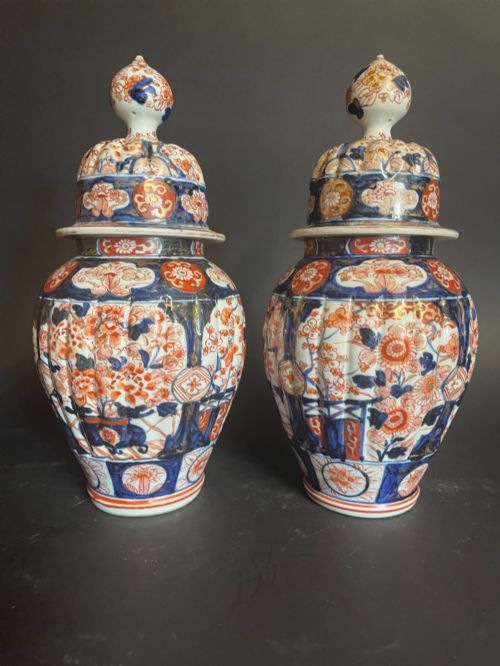
- A traditional Japanese style of porcelain characterised by a distinctive palette of underglaze blue, iron red, and gold. It gained immense popularity in Europe during the export trade.
- Cloisonne
- A decorative metalwork technique where fine wires form raised compartments, known as cloisons, which are then filled with coloured enamel paste and fired. This method creates rich mosaic patterns on vases and jars.
- Chinoiserie
- A European artistic style that reflects Chinese decorative motifs and cultural influences. It appears frequently on eighteenth and nineteenth-century continental and British ceramics.
- Kutani
- A style of Japanese porcelain and pottery known for bold pictorial designs and vibrant colour schemes. These pieces often feature intricate figural or floral motifs.
- Tea caddy
- A small lidded jar or container originally used for storing dry tea leaves. Many examples share the compact, bulbous silhouette typical of traditional ginger jars.
Decorative Ginger Jar: Frequently Asked Questions
What were ginger jars used for?
These lidded vessels originated in ancient China as practical storage containers for spices, salt, and oils destined for transport. Over time, their pleasing proportions transformed them into purely decorative objects valued for interior display.
Traders and collectors later prized them for their sculptural qualities, leading European potteries to produce their own decorative versions throughout the Victorian and Edwardian eras.
How do I date a ceramic jar?
Dating relies on examining the base marks, glaze characteristics, and stylistic clues such as the colour palette or mounting techniques. Nineteenth-century Japanese pieces often display specific reign marks or distinct export characteristics.
European factories frequently stamped their wares with factory ciphers or pattern numbers that correspond to active production dates. Comparing the decorative style to known period trends helps narrow down the decade of manufacture.
Are these jars waterproof?
Many ceramic and porcelain jars are fired at high temperatures and glazed, making them capable of holding water for floral displays. However, older earthenware and metal-wire cloisonne pieces may be porous or sensitive to prolonged moisture.
It is safest to inspect the interior glaze and consult the specific construction of the vessel before using it as a fresh flower vase.
How do I clean enamel and porcelain?
Routine maintenance requires only a gentle dusting with a soft, dry cloth to protect delicate surfaces and metallic wires. Avoid harsh chemical cleaners or abrasive sponges that can damage handpainted details or gold leaf accents.
If deeper cleaning is necessary, use a slightly damp cloth with mild soap, drying the piece immediately to prevent moisture from settling in unglazed areas.