


Decorative Framed Mirror
A decorative framed mirror brings light and presence to a room, drawing the eye through carved gilding, eglomise glass or polished wood.
Decorative Framed Mirror
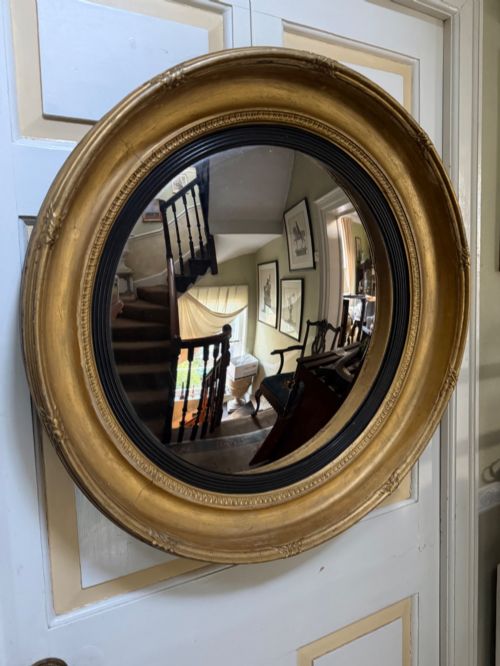
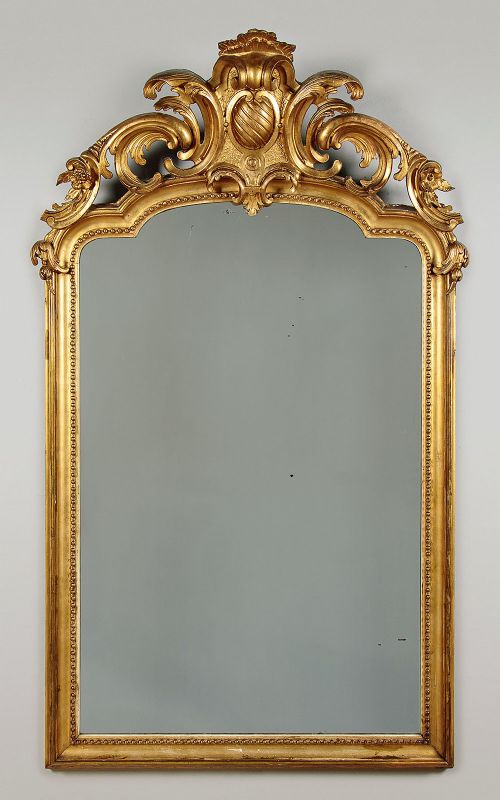
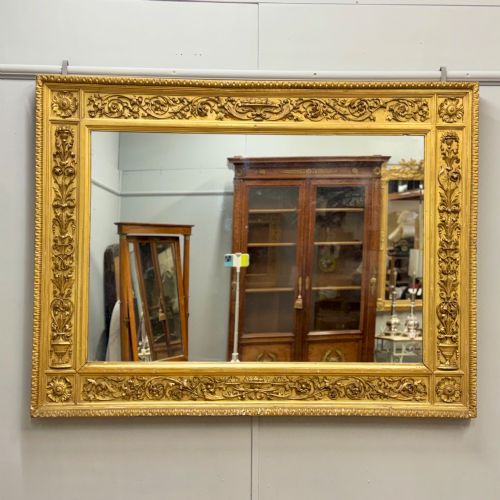
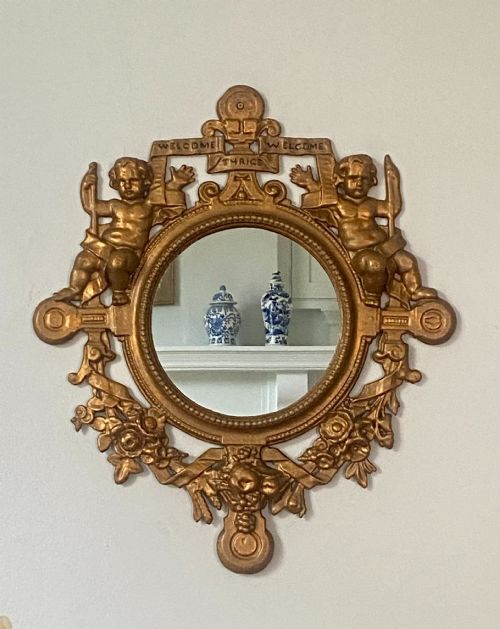
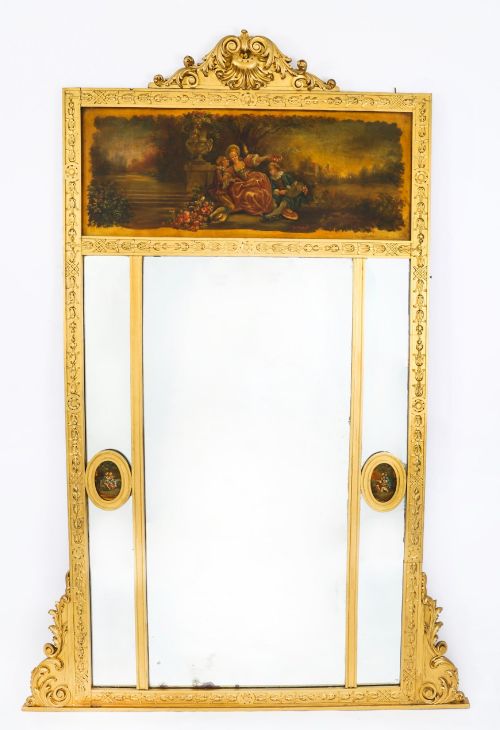
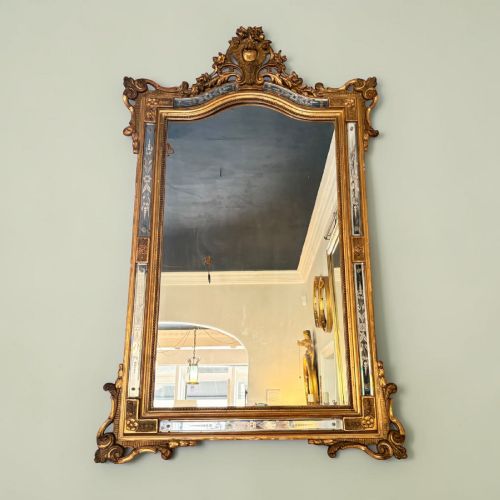
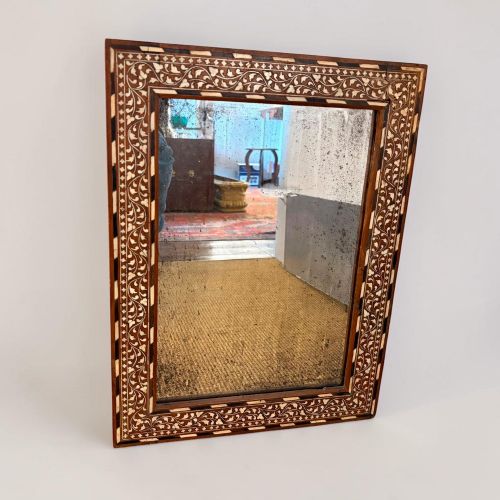
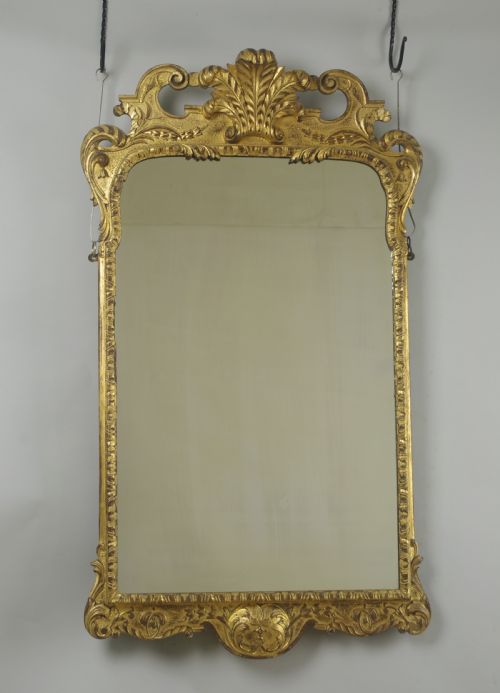
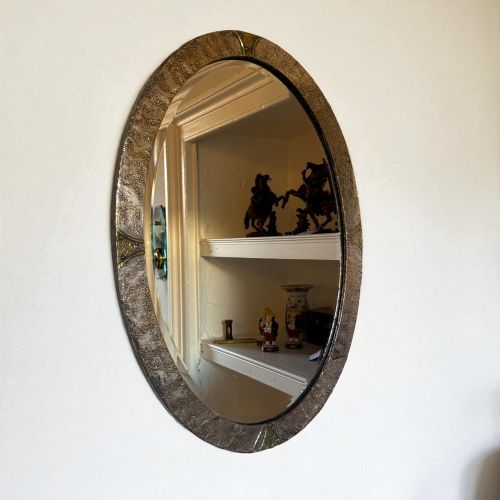
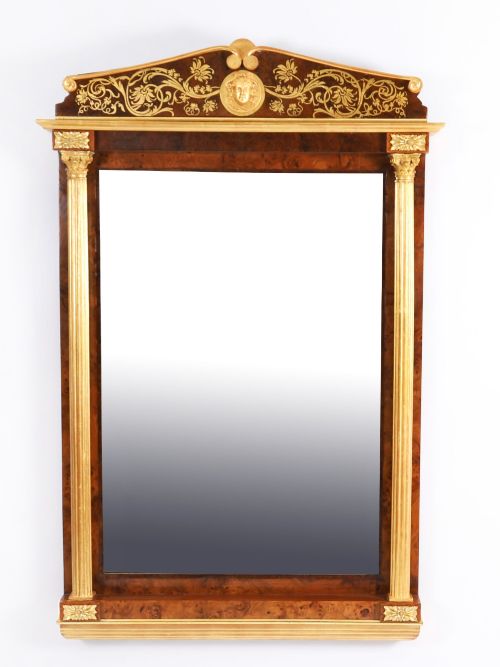
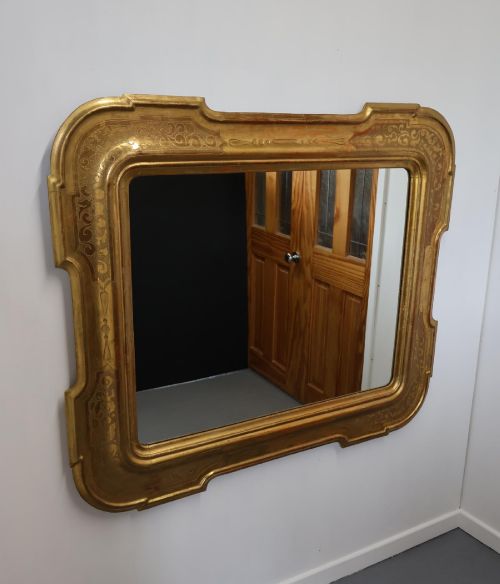
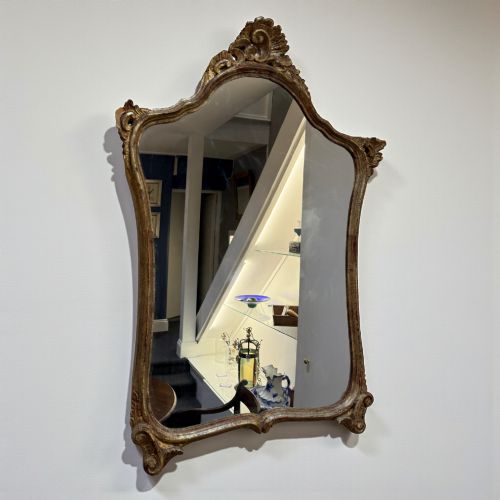
A decorative framed mirror serves as a functional wall piece and a focal point, spanning styles from Victorian and Edwardian periods to Regency and Rococo Revival designs. The pieces on this page appear as wall mirrors, overmantel mirrors, picture frames and girandoles.
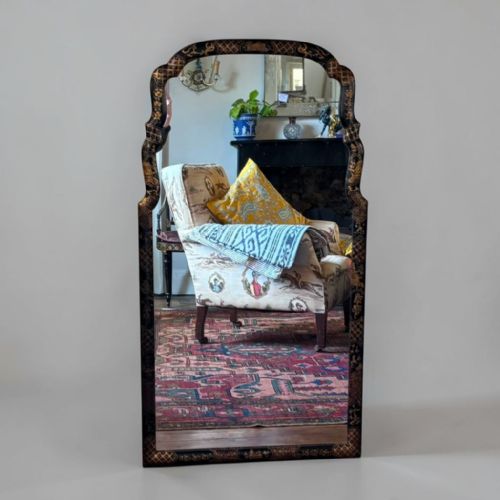
Italian, French and English workshops dominate the origins, alongside Kashmiri, Anglo-Indian and Chinese examples. Giltwood wall mirrors from the nineteenth century are the most common variant to meet.
Overmantel mirrors and pier glasses provide larger scales for domestic interiors, while smaller Italian Florentine frames and Venetian etched plates offer concentrated decorative detail.
Materials and Technique
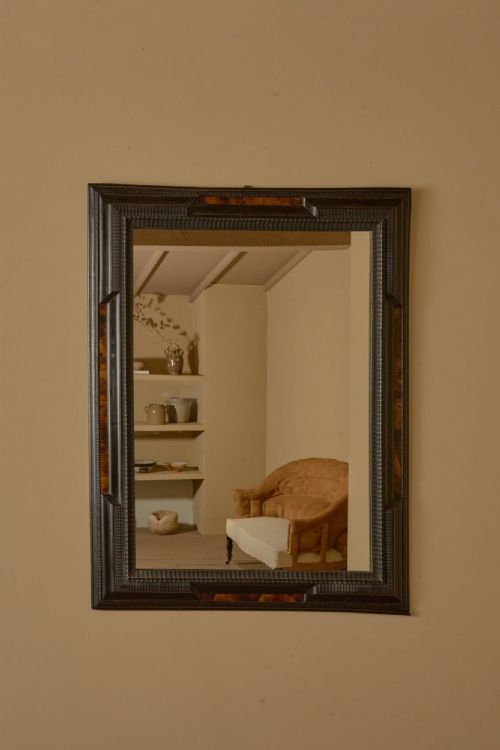
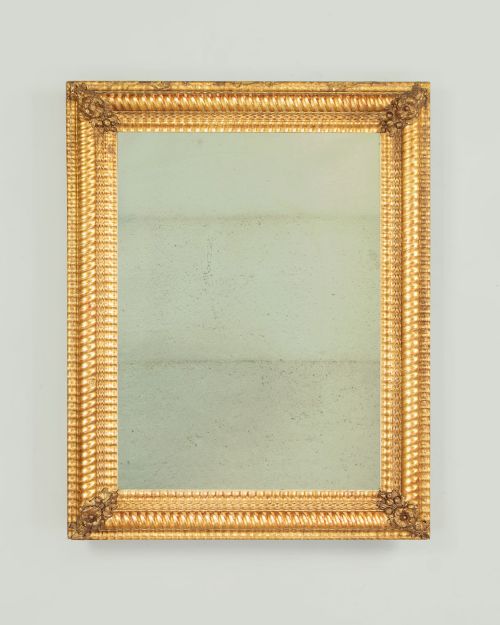
Carved wood and gesso form the structural base for much of the gilding, built up with gold leaf or paint to create rich surface relief. Oak, walnut, mahogany and burr walnut provide the timber frames, sometimes combined with ebonised finishes or parcel-gilt details.
Mirror glass plates are set within frames using techniques such as verre eglomise, etching, and polychrome painting. Cast metal, hammered metal, and shellwork also appear as framing and decorative elements.
Decorative Framed Mirror Retail Price Guide 2026
Typical asking prices for decorative framed mirror among the pieces listed under this phrase on Sellingantiques today, from the lower quarter to the upper quarter. They describe what is for sale here now, not the wider market.
Defining Quality
Depth of carving and the crispness of gesso ornamentation separate standard framing from exceptional craftsmanship. Hand-carved wood retains a tactile sharpness that moulded compositions lack.
The integrity of the original mirror plate, whether featuring period silvering or deliberate eglomise panels, dictates the visual harmony between glass and frame.
The Decorative Framed Mirror Glossary
- Giltwood
- Wood coated with gold leaf or gold paint. This technique creates a luminous metallic finish popular across eighteenth and nineteenth-century frames.
- Gesso
- A plaster-like mixture applied to wood and carved before gilding. It allows for intricate relief ornamentation and scrollwork.
- Verre eglomise
- Cold painting and gilding on the reverse of glass. It produces a distinctive decorative border or panel with metallic sheen.
- Overmantel mirror
- A large mirror designed to hang above a fireplace mantel. These pieces often feature wide proportions to reflect room light.
- Girandole
- A decorative wall mirror with attached candle sconces. The candle arms multiply the reflected light in a room.
Decorative Framed Mirror: Frequently Asked Questions
How do I hang a heavy antique mirror?
Heavy frames require secure wall anchors and load-bearing fixings screwed directly into studs or masonry. Professional hanging hardware ensures the weight of wood and gesso is distributed safely.
Position the mirror at eye level or above a focal point like a mantelpiece, ensuring the hanging wire or brackets match the substantial build of the frame.
What is an overmantel mirror?
An overmantel mirror is a wide wall glass traditionally scaled to sit directly above a fireplace opening. These pieces command attention and help anchor the proportions of a reception room.
Nineteenth-century examples frequently use carved wood and gesso gilt frames to maximise reflected light from fires and windows.
How do I care for antique giltwood?
Dust giltwood frames gently with a dry, soft brush to protect the delicate gold leaf and gesso surface. Moisture and chemical cleaners damage the metallic finish.
Keep mirrors away from direct sunlight and damp environments to preserve the original wood and prevent the gesso from lifting.
What distinguishes Venetian mirrors?
Venetian mirrors often feature etched glass plates and polychrome painted details set within intricate glass or wooden frames. Murano glass traditions heavily influence these regional designs.
Makers utilised reverse painting and eglomise techniques to create layered pictorial borders surrounding the central reflective plate.