



Decorative Floral Rug
A decorative floral rug brings botanical motifs and rich colour from the eighteenth century through to the mid-twentieth century into a room.
Decorative Floral Rug
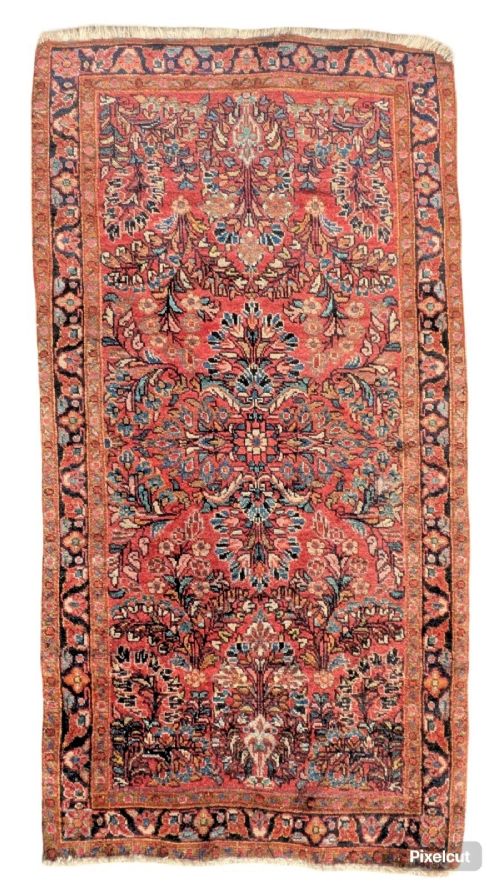
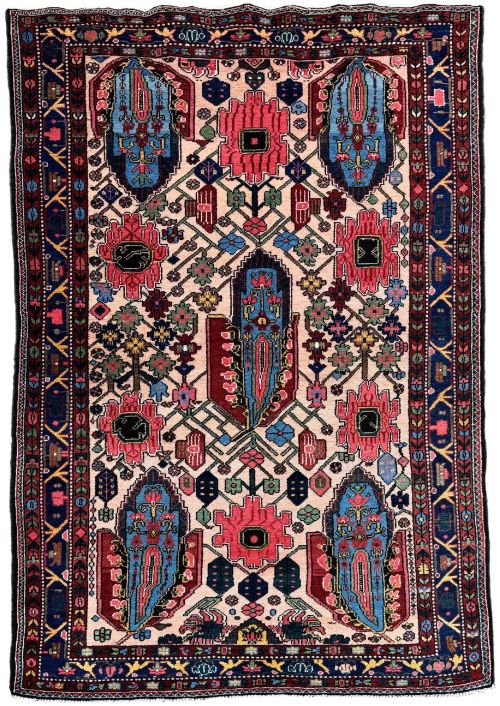
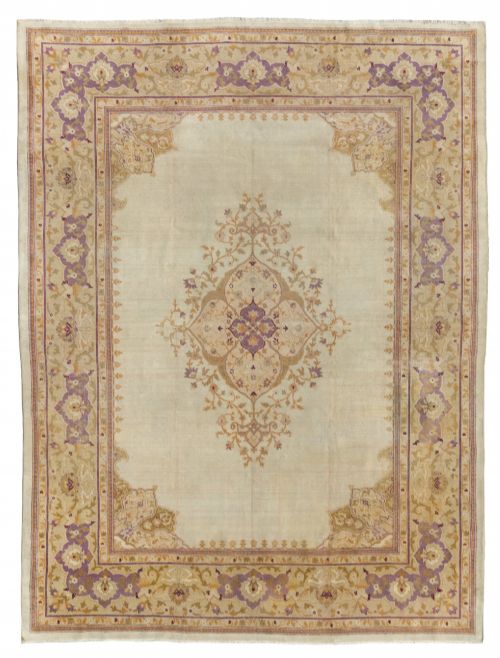
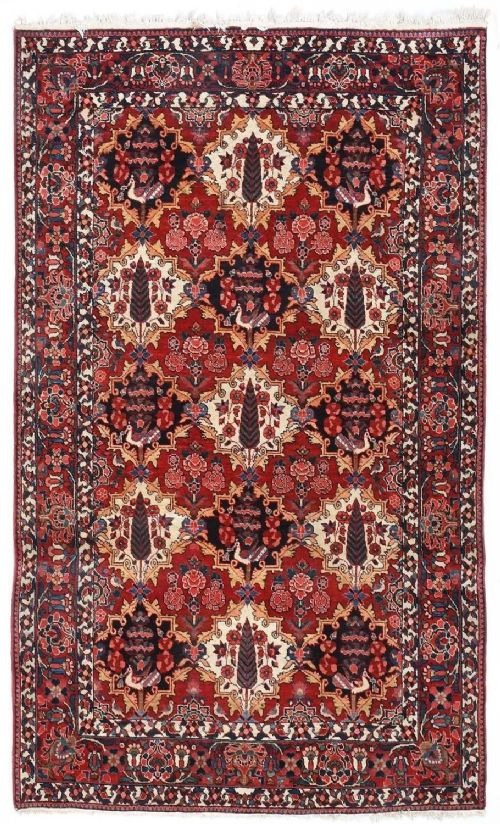
A decorative floral rug encompasses woven floor coverings and textiles featuring botanical and traditional Persian or regional patterns. Buyers searching for a decorative floral rug encounter room-size carpets, smaller area rugs, and flatwoven kilims originating from Persia, India, and Eastern Europe. These pieces date from the eighteenth century to the 1940s, offering varied formats from large carpets to compact prayer rugs.
The selection includes numerous Persian weaves such as Mahal, Sultanabad, Ziegler, and Kashan, alongside Bessarabian kilims, Amritsar carpets, and needlepoint textiles. Regional styles display distinct floral compositions, ranging from symmetrical garden layouts to sprawling vine motifs. Many items span the late nineteenth and early twentieth centuries, reflecting the period's preference for dense floral ornamentation.
What varies in quality
The grade of wool and the tightness of the knotting distinguish finer examples from simpler provincial weaving. Superior specimens demonstrate meticulous precision in the execution of intricate floral curves and botanical motifs.
Age and regional provenance also influence desirability, with certain nineteenth-century workshops commanding greater attention for their palette harmony and dye depth. The preservation of the original pile and the integrity of the outer borders significantly affect the overall character of each carpet.
Decorative Floral Rug Retail Price Guide 2026
Typical asking prices for decorative floral rug among the pieces listed under this phrase on Sellingantiques today, from the lower quarter to the upper quarter. They describe what is for sale here now, not the wider market.
The inventory incorporates Persian, Indian, and European styles, spanning room-size carpets down to compact prayer rugs and kilims.
The Decorative Floral Rug Glossary
- Pile
- The upright yarn loops that form the tactile surface of a knotted carpet. This upper layer absorbs wear and displays the woven design.
- Warp
- The vertical foundation threads stretched tightly on the loom before knotting begins. These parallel threads support the entire structural weight of the rug.
- Weft
- The horizontal threads passed alternately over and under the warp threads to secure the knots in place. Proper beating of the weft ensures structural stability.
- Kilim
- A flatwoven textile produced without a pile by tightly interweaving warp and weft strands. These pieces function as lightweight floor coverings or decorative wall hangings.
- Prayer rug
- A small rug featuring a mihrab or arch design indicating the direction of prayer. These formats often display concentrated floral patterns within a distinct central field.
Decorative Floral Rug: Frequently Asked Questions
How do I clean an antique floral rug?
Professional specialist cleaning is essential for older wool and silk textiles to prevent dye migration and fibre degradation. Vacuuming with a brush attachment lifted away from the pile helps maintain surface cleanliness between professional treatments.
Avoid harsh chemical detergents or saturation with water, as traditional dyes can be sensitive to moisture. Localised spillages require gentle blotting with a clean cloth rather than aggressive rubbing.
Can I place these rugs in high traffic areas?
Wool and cotton carpets from the nineteenth and early twentieth centuries possess natural resilience suitable for domestic environments. Heavier room-size weaves handle regular foot movement effectively when paired with a quality underlay.
Delicate silk pieces or fragile flatweaves benefit from placement in low-traffic zones such as bedrooms or quiet studies. Using a breathable rug pad prevents slipping and reduces friction against hard flooring.
How do I identify a Persian carpet style?
Examining the specific floral motifs, border arrangements, and colour combinations reveals the distinct weaving centre. Towns such as Kashan, Sultanabad, and Isfahan each developed signature drawing styles and palette preferences.
Structural characteristics including knot density and foundation materials further clarify the regional origin. Comparing pieces against documented workshop patterns helps confirm whether a rug stems from a specific city or tribal group.
What is the difference between a rug and a carpet?
Carpets generally describe larger floor coverings designed to span significant portions of a room. Rugs typically refer to smaller formats, such as area rugs or prayer rugs, which cover specific zones.
Both categories utilise similar weaving techniques and materials, differing primarily in scale and placement within an interior layout.