

Decorative Floral Painting
Decorative floral painting brings botanically inspired brushwork to porcelain, ceramic, wood, and canvas across the centuries.
Decorative Floral Painting
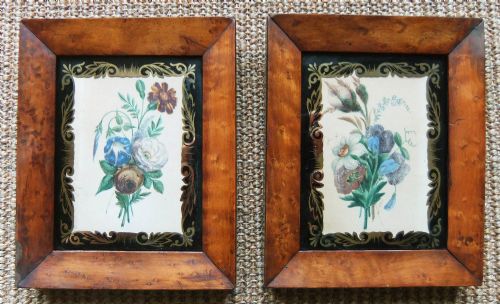
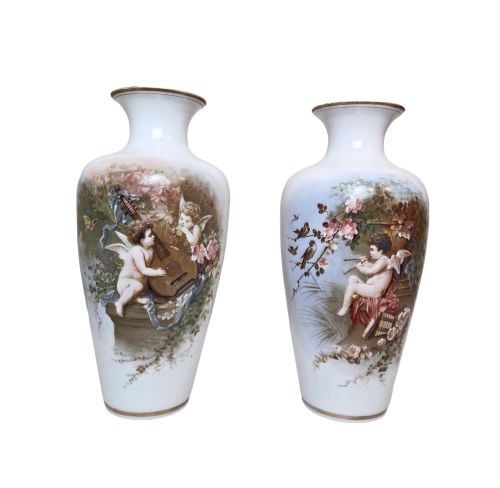
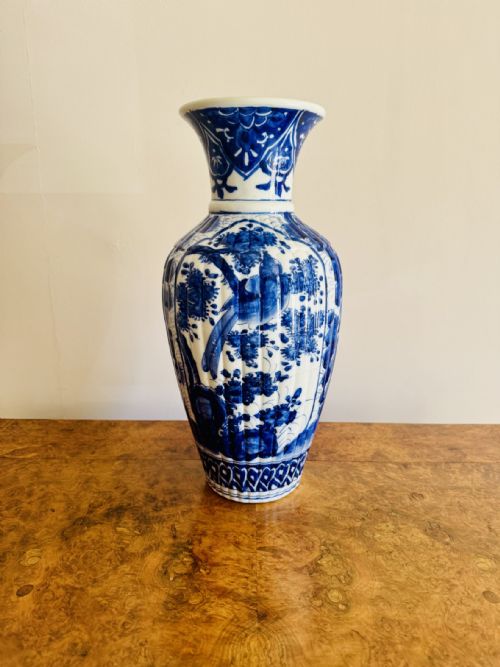
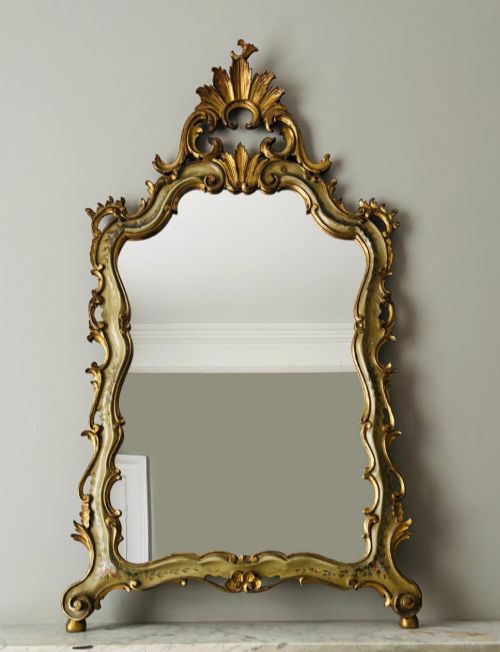
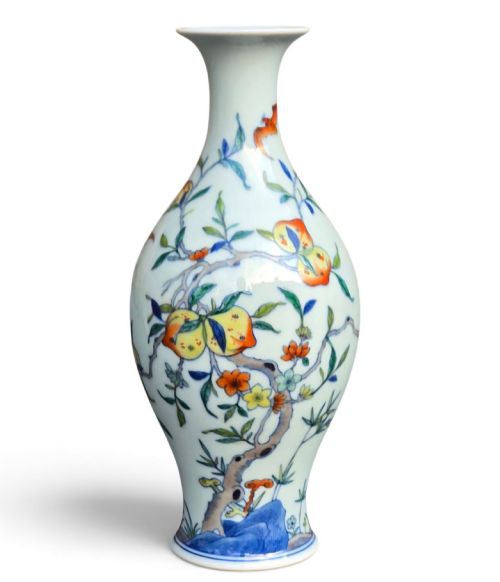
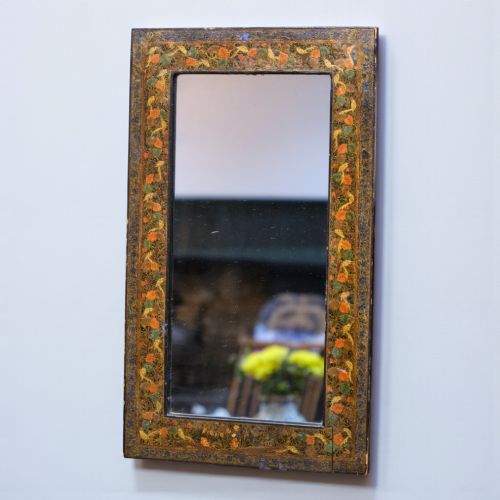
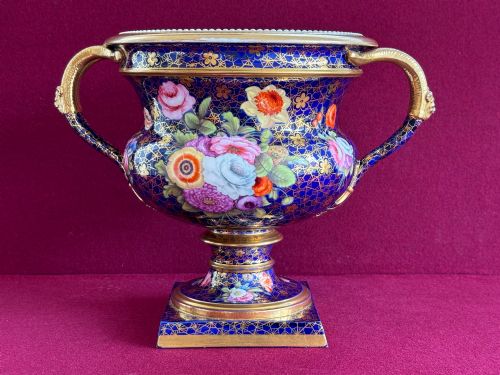
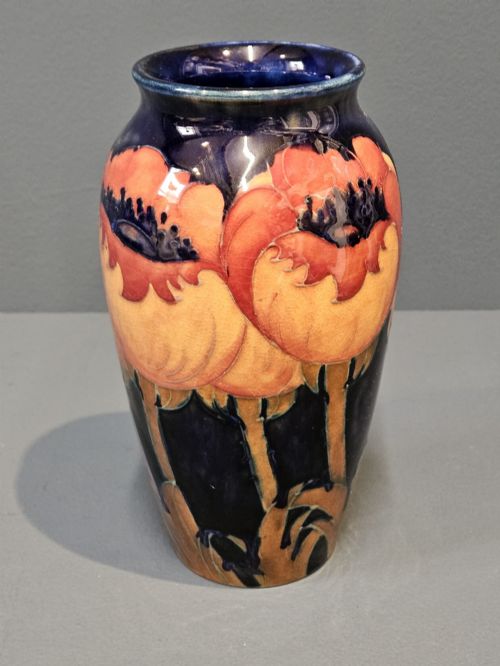
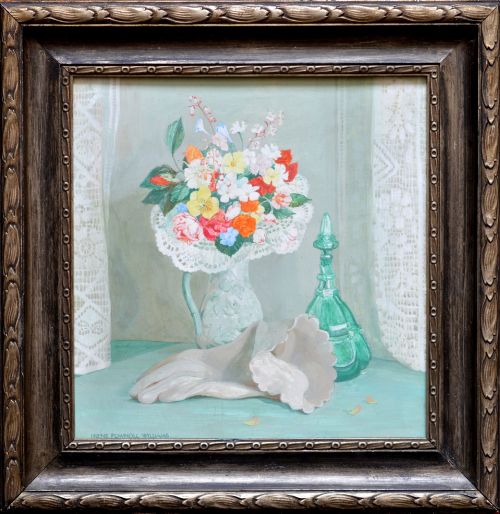
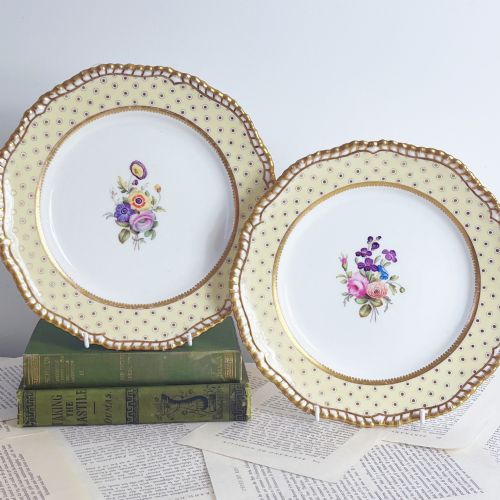
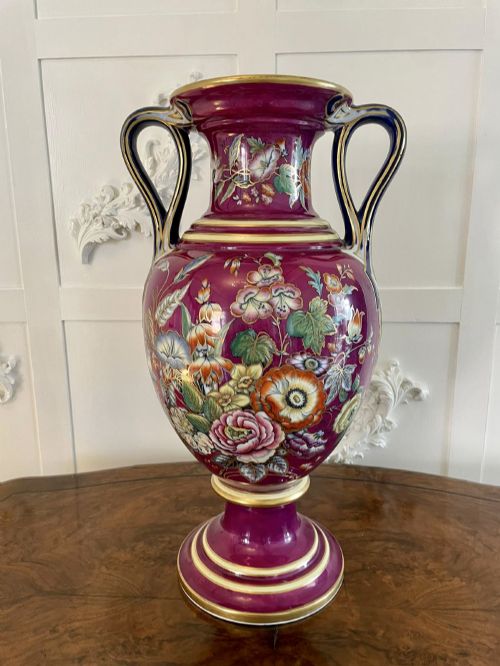
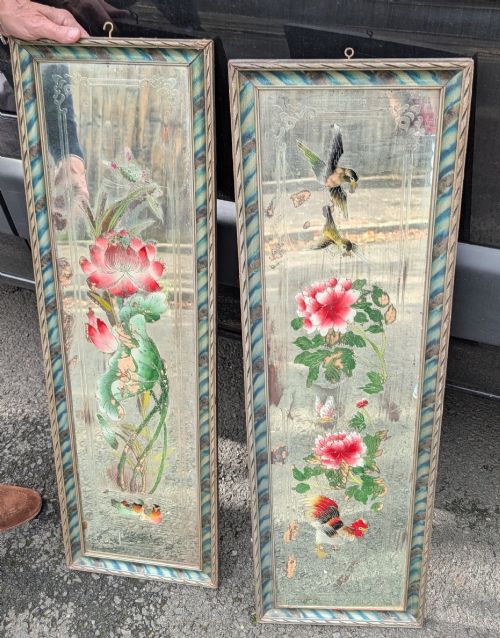
Decorative floral painting encompasses botanical and blossom motifs applied to items such as porcelain vases, ceramic plates, wall mirrors, and canvas paintings. These pieces bridge utilitarian objects and fine art, capturing natural flora through varied regional techniques from the eighteenth century onward.
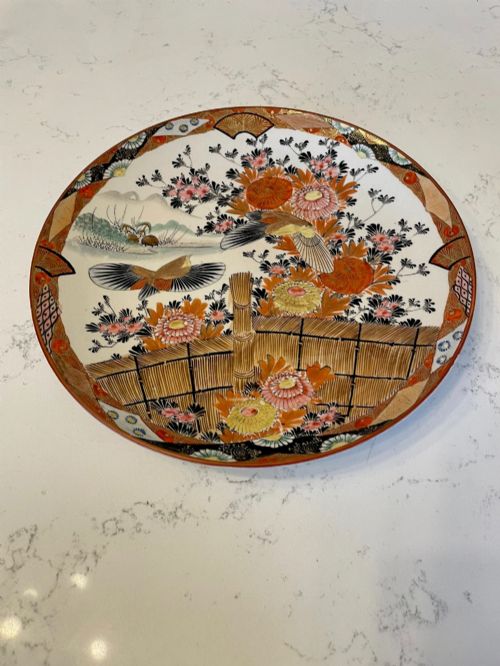
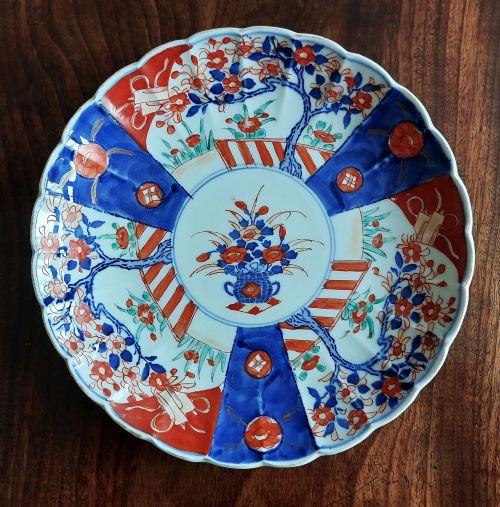
The selections available here range from Regency porcelain dessert plates and Victorian pottery jugs to Japanese Meiji period Imari chargers and Kashmiri painted woodwork. English earthenware and continental porcelain appear alongside Asian export ceramics.
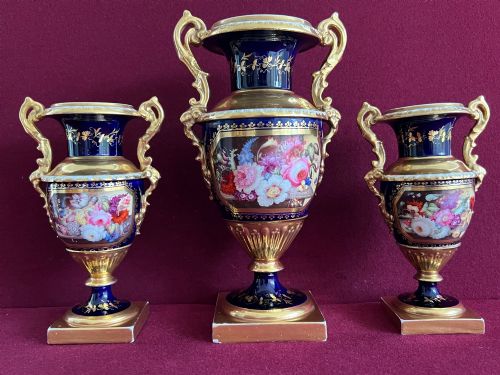
Vases, dishes, and framed panels dominate the selection, often integrating floral arrangements with gilt accents, enamels, and hand-brushed watercolours.
How They Were Made
Makers applied pigments to porcelain, earthenware, and ceramic bodies, frequently sealing the polychrome designs beneath a clear glaze or firing them over enamel and gold leaf. Copper, wood, leather, and canvas also serve as substrates for tempera, oil, and lacquer work.
Potteries utilised hand-painted techniques alongside transfer printing, while surface decorators combined delicate brushwork with raised paste gilding. Skilled artisans layered pigments to achieve depth in floral studies, whether working on soft-paste porcelain or carved wood reliefs.
Some floral arrangements hide tiny painted beetles among the petals.
What Varies in Quality
Quality rests on the precision of the brushwork and the clarity of the polychrome palette. Superior examples display confident, individualised floral execution rather than mechanical repetition.
The harmony between the painted flora and the underlying ceramic or wooden form dictates the piece's success. Finer items integrate gilding, enamelling, and glaze without cluttering the composition.
Spode·Moorcroft·Minton·Flight Barr And Barr·Doulton Lambeth·Coalport
The Decorative Floral Painting Glossary
- Imari
- A style of Japanese export porcelain characterised by underglaze blue and iron red, complemented by gold leaf. These pieces typically feature dense floral and geometric panels.
- Famille-Rose
- A palette of Chinese porcelain enamels dominated by opaque pink or rose colours. The style gained prominence in the eighteenth century for rendering delicate botanical scenes.
- Gilt
- A thin application of gold leaf or gold paint applied to surfaces. It accents ceramic rims, wooden frames, and painted motifs.
- Enamel
- Opaque glass fused to metal, ceramic, or glass surfaces through firing. It provides vibrant, durable colour for floral decorations.
- Regency
- An English design period spanning the early nineteenth century. Pieces from this era often exhibit classical forms paired with refined hand-painted botanical details.
Decorative Floral Painting: Frequently Asked Questions
How do I date painted floral porcelain?
Dating relies on maker's marks, glaze characteristics, and potting styles. Consult factory reference guides to match backstamp variations to specific operational decades.
Contextual clues such as palette choices and gilding techniques also help narrow down the period of production.
Are these pieces suitable for daily use?
Most decorative ceramics and painted objects function best as display items. Delicate enamels and gold leaf wear down with regular washing and handling.
Cabinet plates, vases, and framed panels are better preserved when kept away from heavy physical contact.
How should I clean painted wooden objects?
Dust surfaces gently with a dry, soft microfibre cloth. Avoid chemical cleaning agents and excess moisture, which can damage lacquered and painted finishes.
Keeping items out of direct sunlight prevents the pigments and wood from fading over time.
What is the difference between earthenware and porcelain?
Earthenware is fired at lower temperatures, resulting in a porous ceramic body that requires an opaque glaze. Porcelain uses refined clay fired at high heat, producing a vitrified, non-porous structure.
Porcelain pieces often ring when struck and allow light to pass through thin sections.