

Decorative Fireplace Guard
A decorative fireplace guard brings both safety and artistry to a hearth, spanning styles from Victorian brass to Art Nouveau copper.
Decorative Fireplace Guard
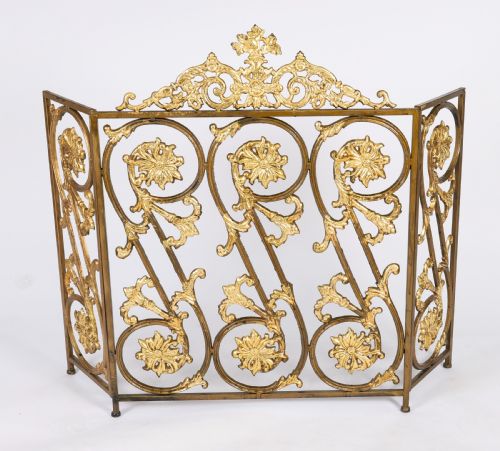
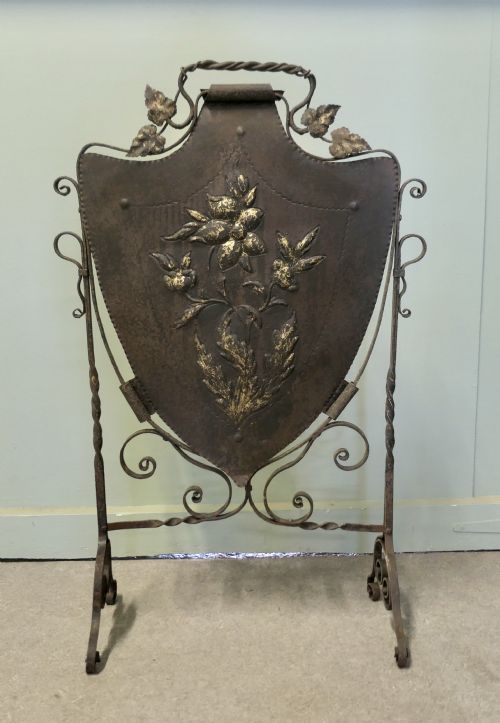
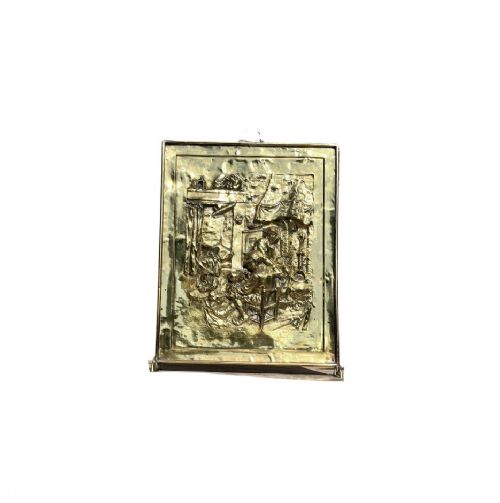
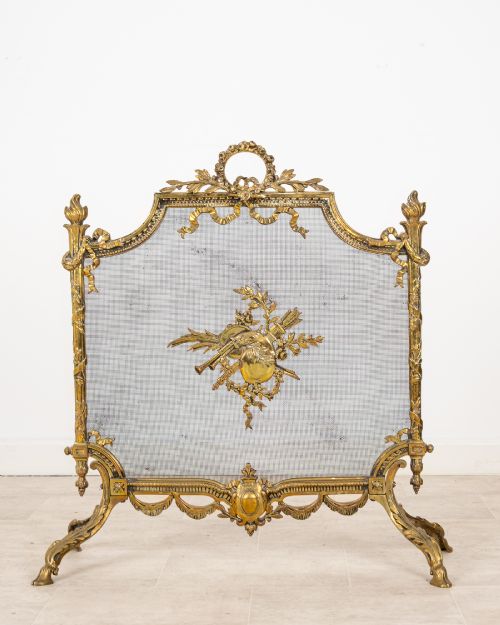
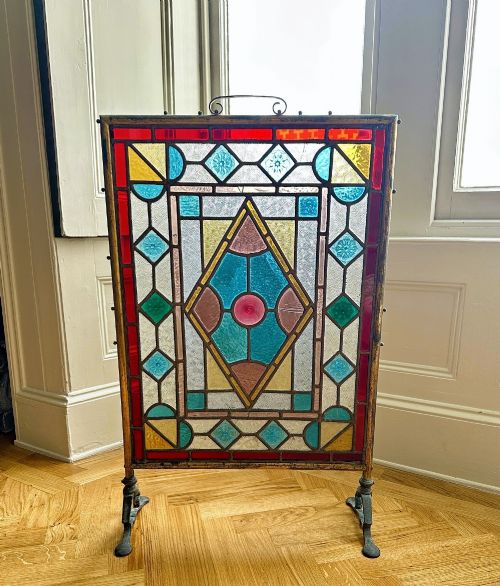
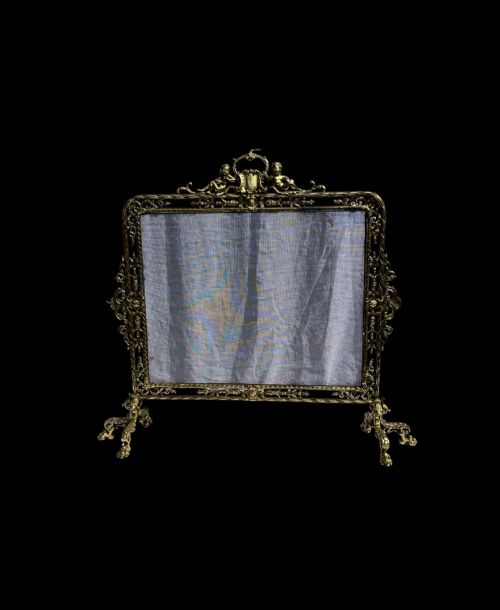
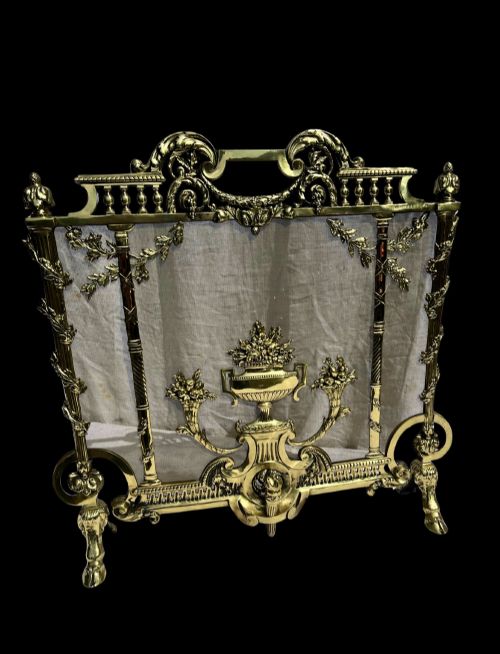
A decorative fireplace guard sits before an active or dormant hearth to catch embers or simply dress the room when the fire is unlit. You will find brass folding fan screens, glass panels, and iron frames dominating the current selection.
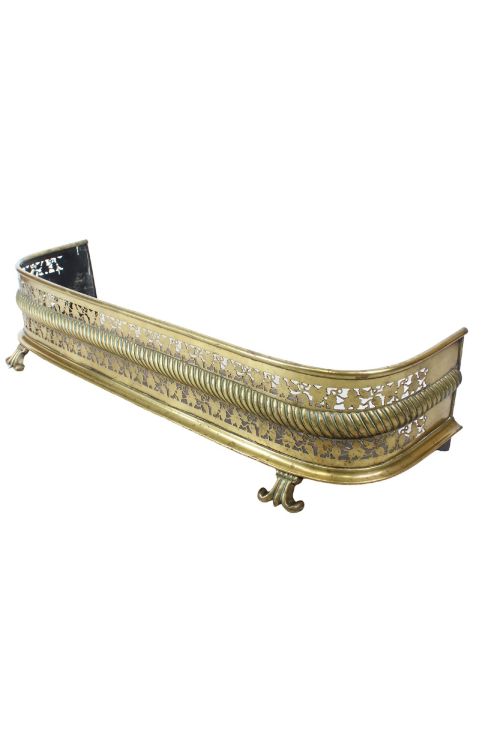
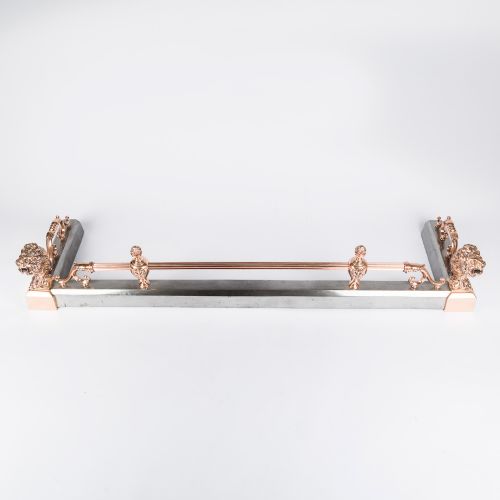
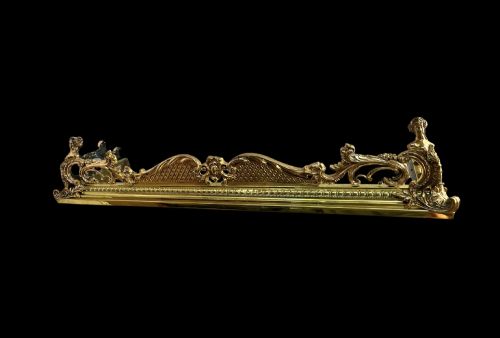
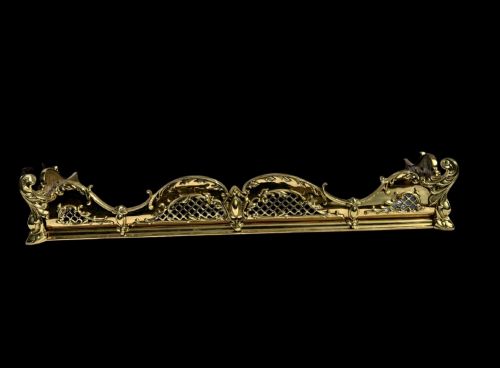
The objects take several forms, including freestanding fire screens, spark guards, and low fender kerbs that edge the hearth floor. Many examples date from the nineteenth century, reflecting Victorian and Edwardian domestic tastes.
Makers utilised various revivals, from French Louis XIV and Rococo styles to Gothic Revival and Arts and Crafts movements. The variety ranges from pierced brass panels to stained glass and embroidered inserts.
Materials and construction methods
Metalwork forms the backbone of these pieces, employing brass, wrought iron, steel, copper, and gilt bronze. Smiths and founders cast, pierced, and hammered these metals into intricate frames and folding mechanisms.
Insets introduce contrasting textures, utilising wire mesh, stained or cut glass, mirrors, silk embroidery, and tapestry. These materials combine to balance physical protection with decorative visual impact.
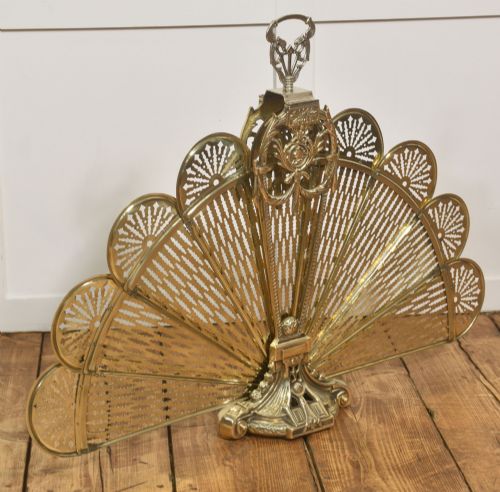
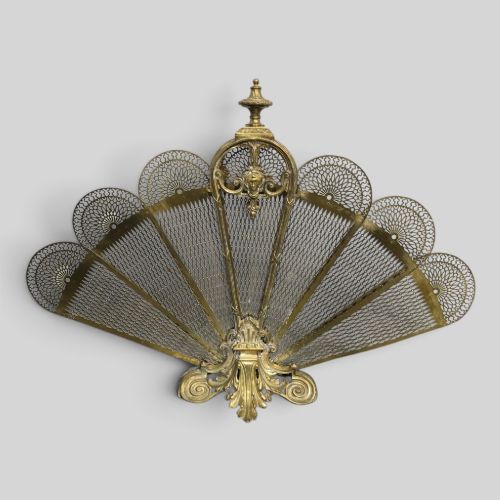
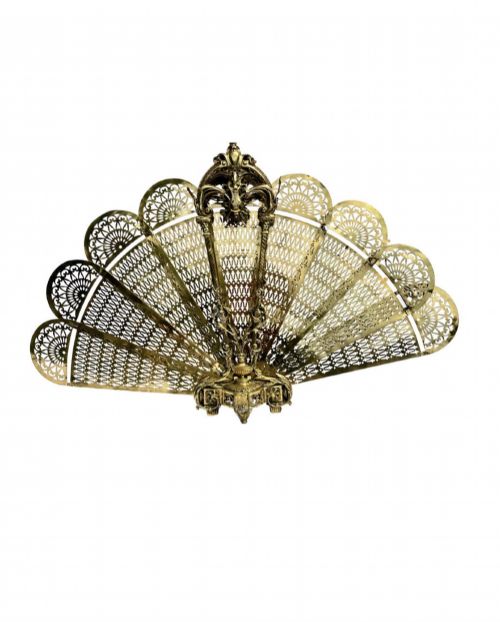
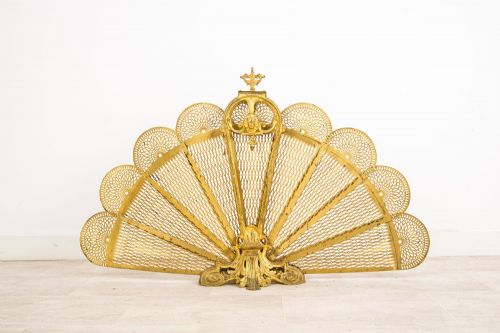
Several folding brass fan screens take the shape of an open peacock tail, bringing an exotic Victorian flourish directly to the hearth.
Judging quality and execution
Quality rests in the crispness of the metal casting, the weight of the frame, and the integrity of the joints. Finer pieces show hand-pierced detailing and substantial gauge brass or iron rather than thin stamped sheet metal.
Artistry in auxiliary materials elevates a piece, such as master-cut glass, genuine leaded stained glass, or tight needlework. The harmony between the metal support and the decorative centrepiece dictates the overall success of the object.
The Decorative Fireplace Guard Glossary
- Fire screen
- A movable panel placed in front of a fireplace to block radiant heat or mask an empty grate when a fire is not burning.
- Fire fender
- A low metal kerb placed around the hearth perimeter to contain rolling embers and protect the room's flooring.
- Spark guard
- A protective mesh or metal screen designed specifically to catch flying sparks emitted by an open fire.
- Ormolu
- Gilt bronze ornamentation applied to furniture and decorative metalwork, popular in French revival pieces.
- Repoussé
- A metalworking technique where the metal is hammered from the reverse side to form a raised design on the front.
Decorative Fireplace Guard: Frequently Asked Questions
What is the main purpose of a fireplace guard?
These guards serve primarily to block stray embers from damaging flooring or carpets during a live fire. They also provide an ornamental screen to dress an unused hearth during warmer months.
Many styles function specifically to reflect warmth back into the room or to obscure the dark interior of an empty fireplace.
How do I distinguish Victorian guards from later pieces?
Victorian guards frequently employ heavy cast or pierced brass, often incorporating Rococo Revival curves or Gothic ironwork. They lean towards ornate, heavy metal framing and traditional floral or heraldic motifs.
Later pieces from around nineteen hundred often adopt flowing Art Nouveau lines, integrated mirrors, or simpler geometric forms associated with the Arts and Crafts movement.
Are folding fan screens practical for daily use?
Folding peacock fan screens open to cover a wide hearth area and collapse flat when not in use. Their pivoting brass blades make them adaptable to different fireplace openings.
They require gentle handling to preserve the delicate pivoting rivets and individual metal vanes over years of opening and closing.
How should I clean a brass fireplace guard?
Dust the metal regularly with a soft dry cloth to prevent soot accumulation. Avoid harsh chemical polishes that strip away the aged patina built up over decades.
Gentle cleaning preserves the surface character that collectors value on nineteenth-century brasswork.