

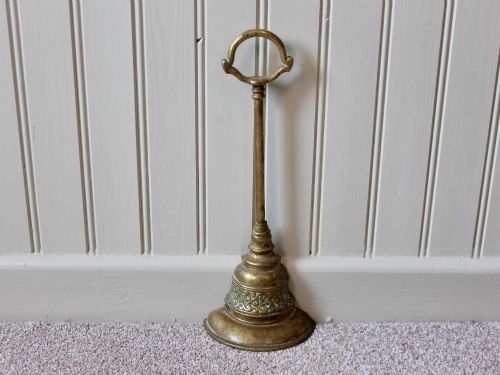


Decorative Doorstop
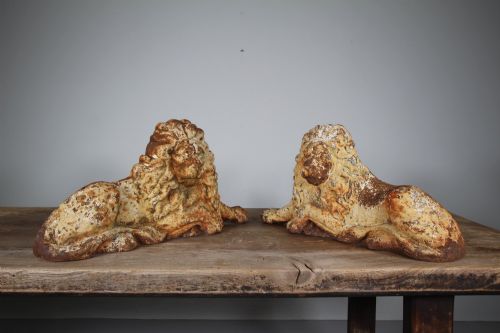
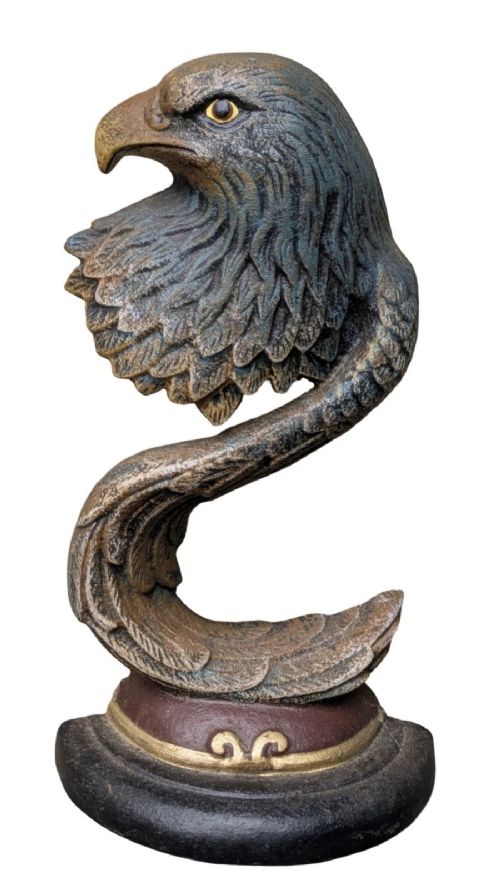
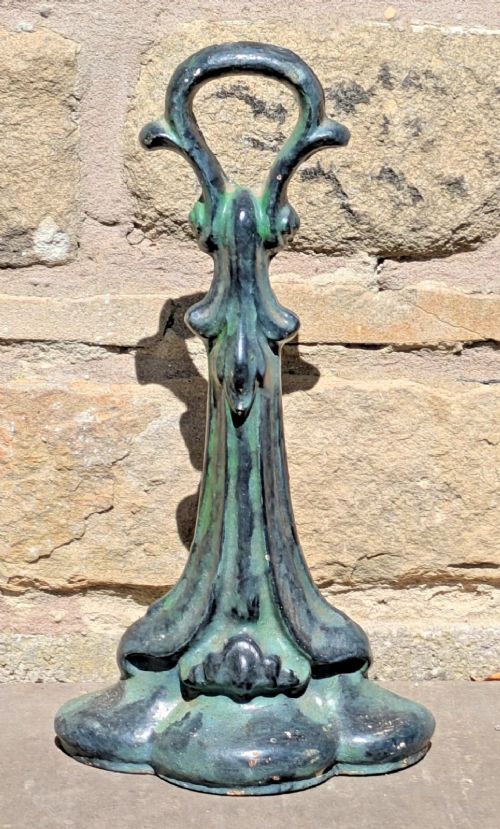
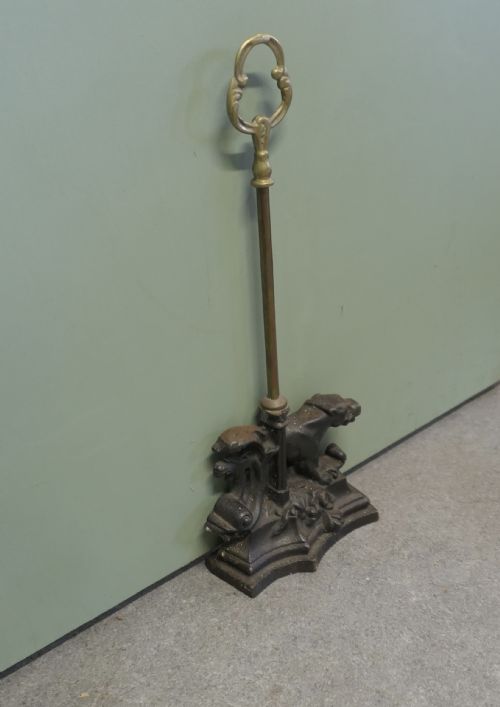
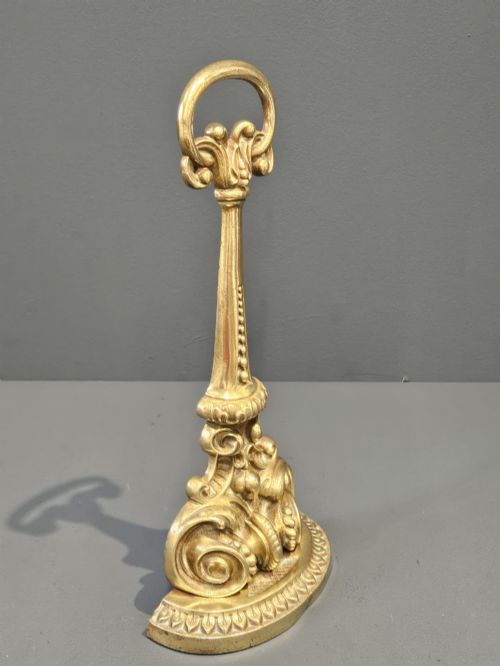
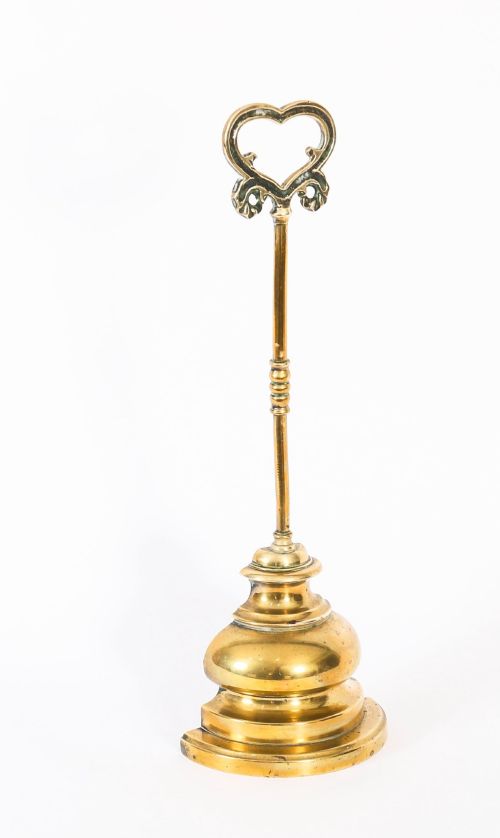
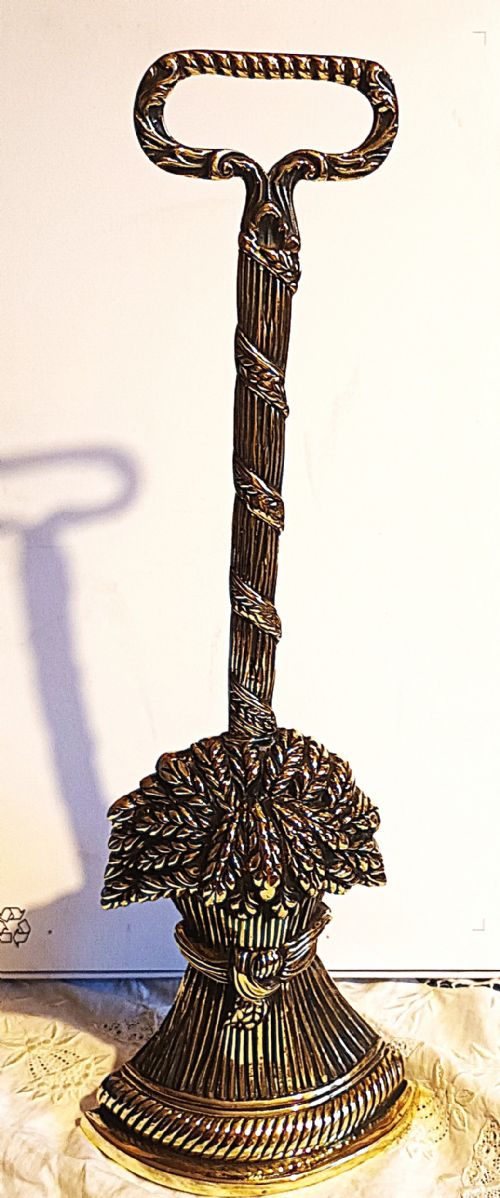
These heavy iron and brass figures serve as a decorative doorstop to keep rooms draft-free with character.
Decorative Doorstop
A decorative doorstop holds heavy interior doors open while adding sculptural interest to a hallway or hearth. When you search for this phrase, you find practical items rendered as animals, figures, and heraldic motifs.
The pieces listed span the Georgian, Regency, and Victorian eras, alongside Edwardian examples. Door porters and door stops appear frequently in brass and cast iron.
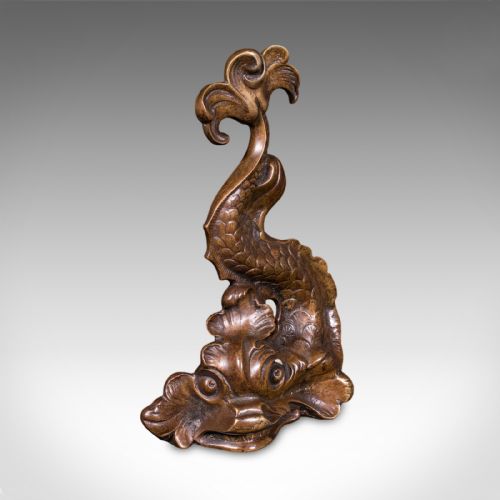
Common figurative subjects include dolphins, cherubs, dogs, and characters such as Mr Punch or Lord Nelson. Scottish curling stones and knights also serve this heavy domestic purpose.
How they were made
Foundry workers utilised traditional casting methods to pour molten metal into moulds, creating solid forms in cast iron, brass, and bronze. Some specimens received a layer of paint to highlight facial details or clothing on figures like Mr Punch.
Makers integrated sturdy handles or loops into the upper portions of brass door porters to allow easy lifting. Lead sometimes provided additional ballast within the base to anchor heavier models.
Decorative Doorstop Retail Price Guide 2026
Typical asking prices for decorative doorstop among the pieces listed under this phrase on Sellingantiques today, from the lower quarter to the upper quarter. They describe what is for sale here now, not the wider market.
Border collies and mythical dolphins keep watch from the floor.
What varies in quality
Substance and stability dictate utility, with heavier models demonstrating a more resolute weight for holding large interior doors. Patina and original surface preservation also separate honest aged specimens from later alterations.
Tonks
The Decorative Doorstop Glossary
- Door porter
- A traditional alternative term for a heavy doorstop, usually featuring an upright handle for carrying.
- Cast iron
- An iron-carbon alloy poured into moulds to create heavy, rigid objects with high compressive strength.
- Regency
- A British design period spanning the early nineteenth century, known for classical revival motifs such as dolphins.
- Patina
- The surface sheen and colour acquired by metal through age, handling, and oxidation.
- Cast brass
- An alloy of copper and zinc shaped by molten pouring, producing a bright golden finish that darkens over time.
Decorative Doorstop: Frequently Asked Questions
How were door stops used historically?
Households placed them in hallways and reception rooms to prevent heavy wooden doors from swinging shut in draughty corridors. The integrated handle on porters allowed servants to move them easily.
Their substantial weight provided the necessary resistance against thick doors.
How do I live with a cast iron doorstop?
Position it securely against the base of the door where foot traffic remains light to avoid accidental knocks. Clean the surface gently with a dry cloth to preserve any historic paint or metal patina.
Avoid damp locations to prevent rust formation on iron examples.
How do I tell Victorian pieces apart?
Victorian examples frequently showcase heavier cast iron construction with popular cultural subjects like Mr Punch or Lord Nelson. Earlier Regency pieces tend towards classical motifs such as dolphins and bronze patination.
Edwardian items often display smaller, domestic animal forms.