


Decorative Display Cabinet
A decorative display cabinet holds porcelain and objects behind glass, bringing rich mahogany, gilt and enamel into a room.
Decorative Display Cabinet
A decorative display cabinet gathers varied items made for show, including tall mahogany vitrines, inlaid pedestals and Japanese shodana cabinets. These pieces emerge from Victorian, Edwardian and 19th century workshops where display took precedence over storage.
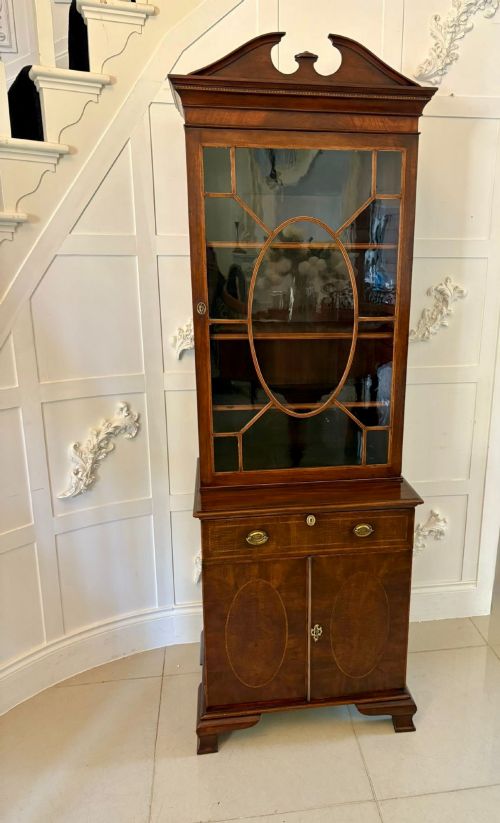
Most examples encountered here are French or English glazed cabinets or wooden vitrines intended to protect and exhibit porcelain plates, chargers and decorative objects. The form ranges from table cabinets to floor-standing units with brass mounts and glass panels.
Standards of Craftsmanship
Quality rests on the crispness of timber inlay, the weight and finish of brass mounts, and the tightness of glass door joints. Superior examples exhibit hand-carved details and seamless veneer work rather than stamped decoration.
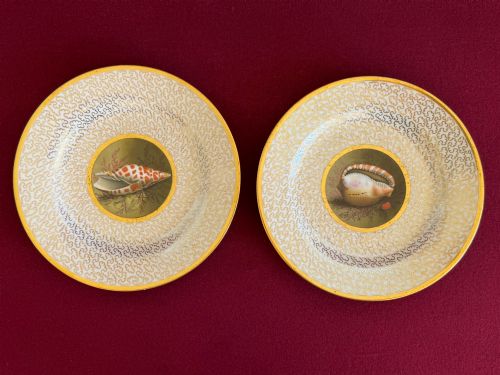
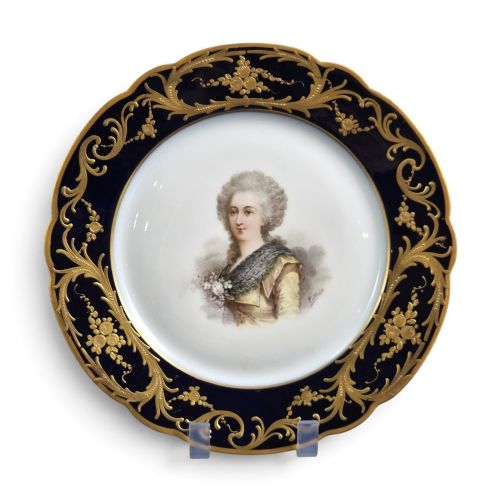
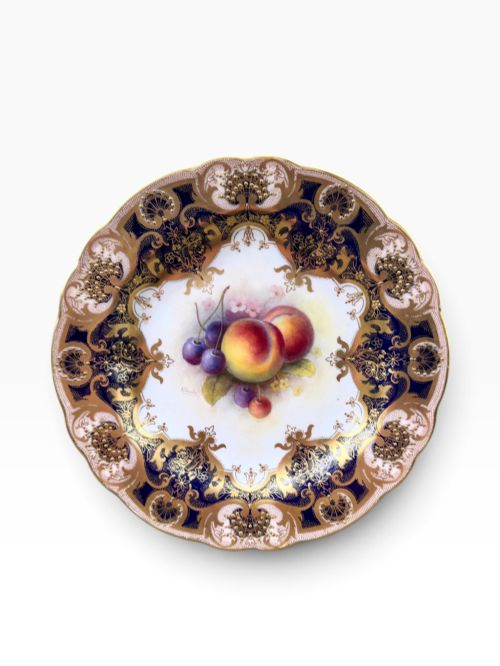
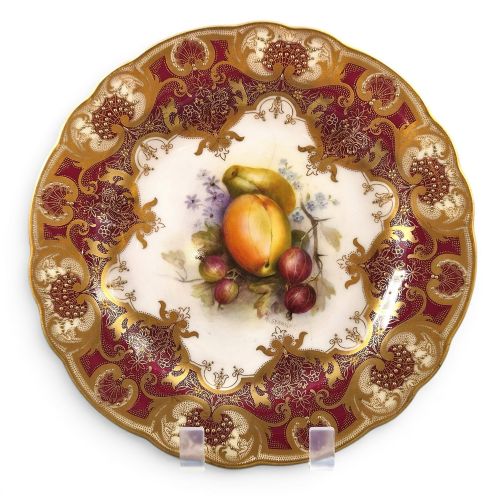
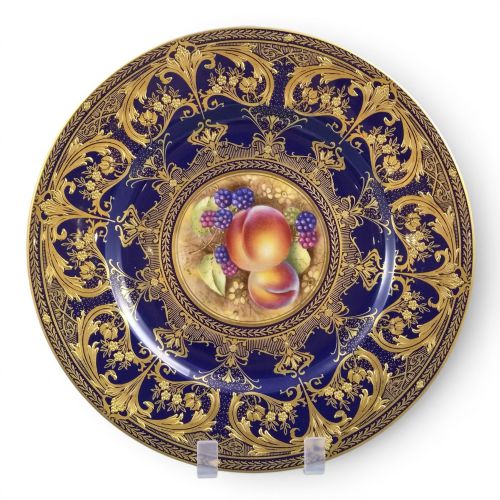
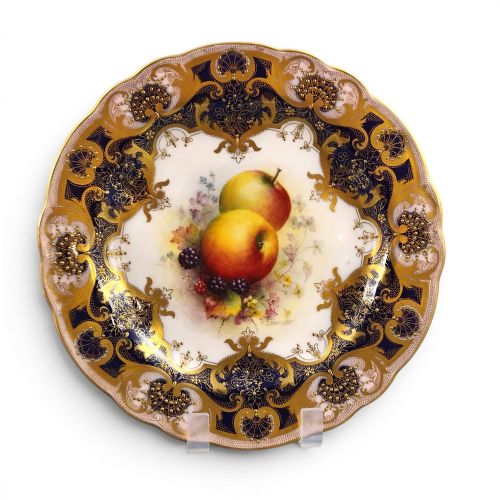
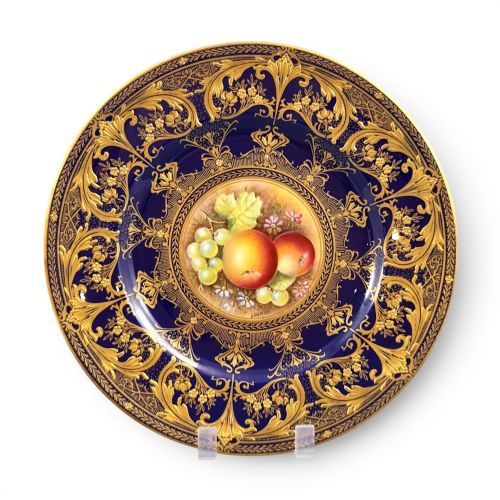
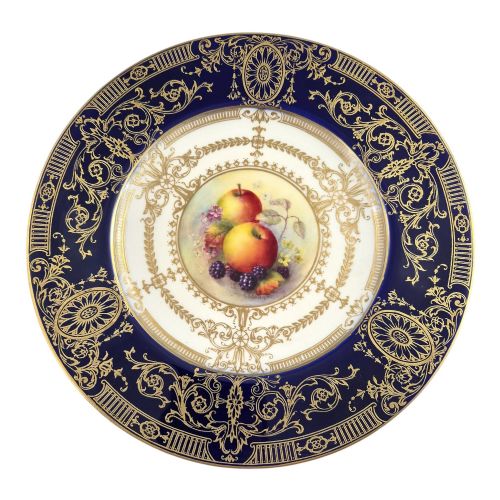
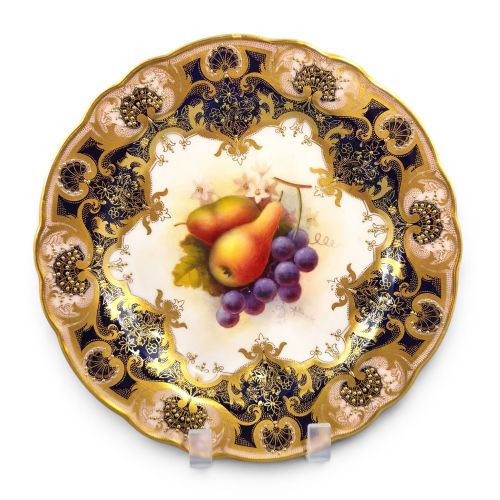
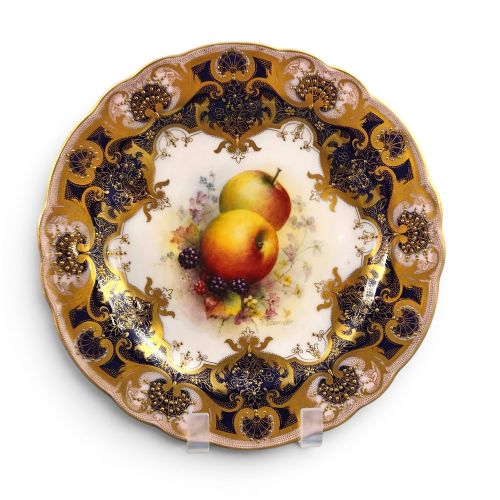
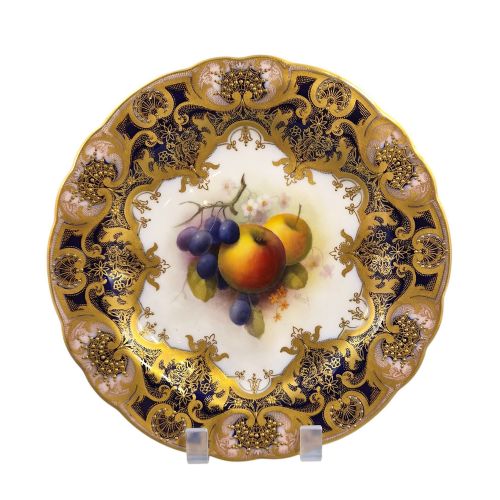
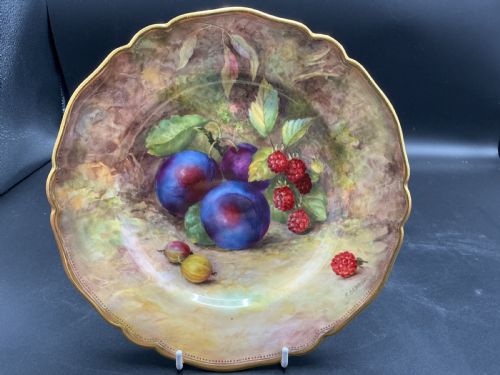
Ceramic components inside or accompanying these cabinets differ according to the hand of the painter, with signed portrait and fruit plates sitting above standard factory output. The depth of the porcelain glaze and precision of the gilding separate standard production from master work.
Listings incorporate materials from mahogany and brass to enamel, porcelain and gold leaf across Victorian and Edwardian periods.
Barr Flight and Barr·Royal Crown Derby·Royal Worcester·Royal Doulton·John Ridgway·Mason
The Decorative Display Cabinet Glossary
- Vitrine
- A glass-fronted cabinet designed specifically for the display of fine porcelain and curiosities. This French term usually denotes a piece with glass on multiple sides.
- Imari
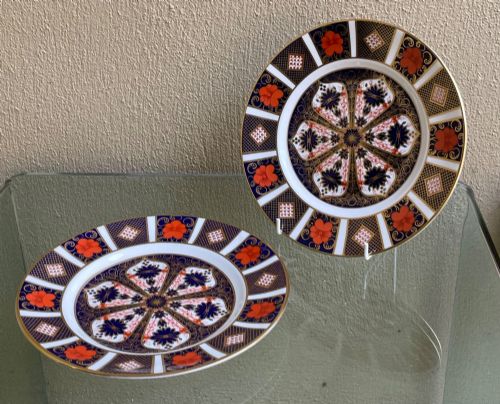
- A Japanese decorative style featuring rich underglaze blue and iron red with gold additions. The palette transfers to porcelain plates and decorative objects.
- Chinoiserie
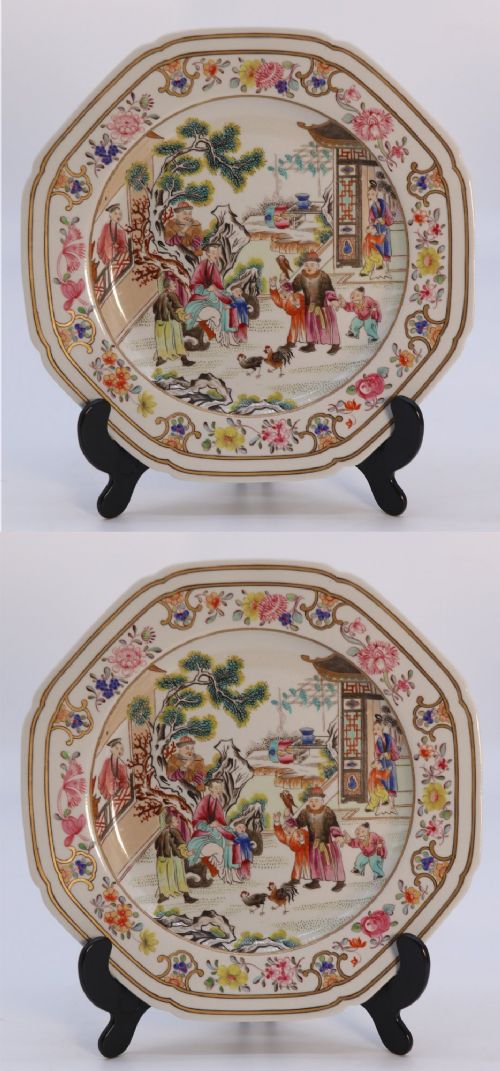
- European decorative design inspired by Chinese artistic traditions. It appears on lacquerwork, storage cabinets and painted ceramics.
- Gilt
- A thin layer of gold applied to wood, metal or porcelain surfaces. It highlights carved mouldings and ceramic borders.
- Cobalt
- A deep blue metallic oxide used to colour porcelain glazes. It creates the rich dark background found on portrait plates and cabinet dishes.
Decorative Display Cabinet: Frequently Asked Questions
What fits inside a decorative display cabinet?
These cabinets house cabinet plates, porcelain chargers, enamel dishes and small decorative objects. The shelving accommodates ceramics and glass safely.
Larger floor models also hold heavier porcelain pieces and small sculptures, creating a focal point in a dining room or drawing room.
How do I date a cabinet?
Dating relies on timber choice, such as mahogany, alongside the style of brass mounts, inlay patterns and door construction. Victorian and Edwardian examples show distinct joinery methods.
Comparing the hardware and secondary woods inside the cabinet provides further clues to the exact period of manufacture.
Are these cabinets fragile?
The glass panels and delicate brass hinges require careful handling during placement and cleaning. Solid wood frames provide structural stability for the glazed sections.
Placing the cabinet away from direct sunlight protects both the wooden finish and any painted porcelain displayed inside.
How do I tell different periods apart?
Nineteenth-century pieces often feature heavy mahogany, ornate brass Ormolu mounts and rich marquetry inlay. Edwardian versions tend to show lighter construction with simpler satinwood or boxwood stringing.
Art Deco and later 1930s cabinets introduce streamlined geometric lines, moving away from the revival styles of the Victorian era.