




Decorative Classical Columns
These decorative classical columns bring ancient architectural dignity to interiors through carved wood, polished marble, and gleaming brass.
Decorative Classical Columns
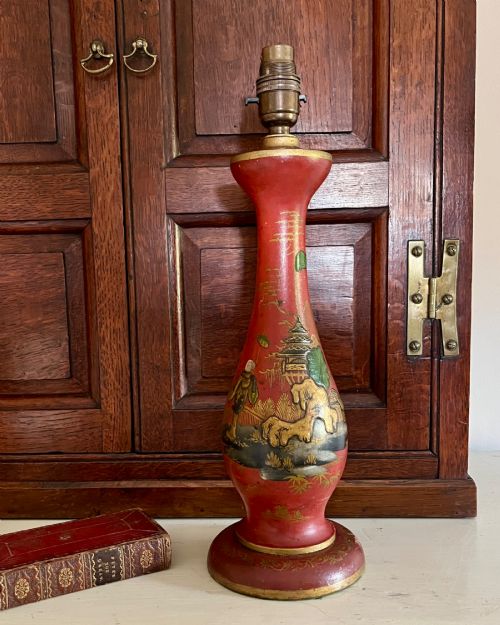
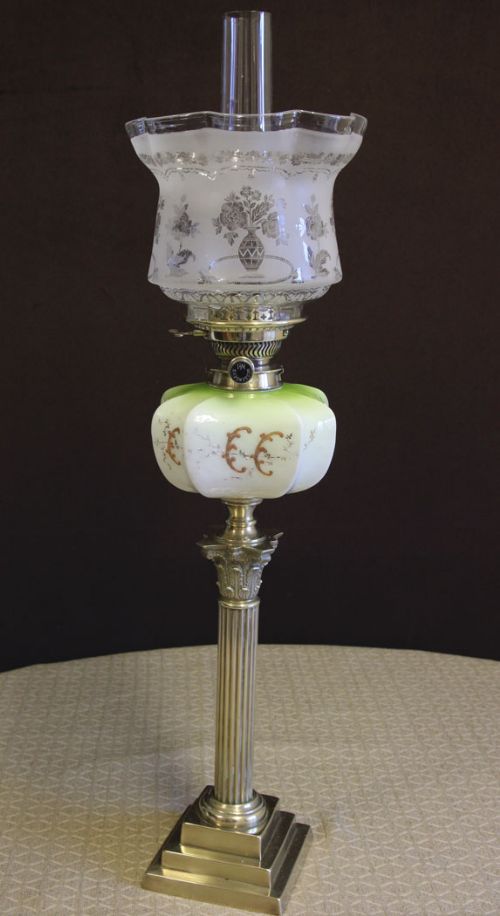
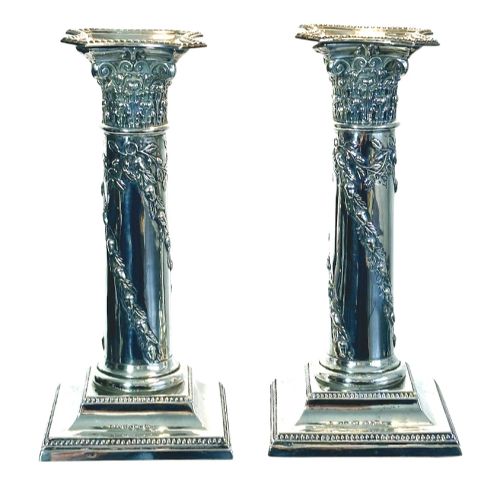
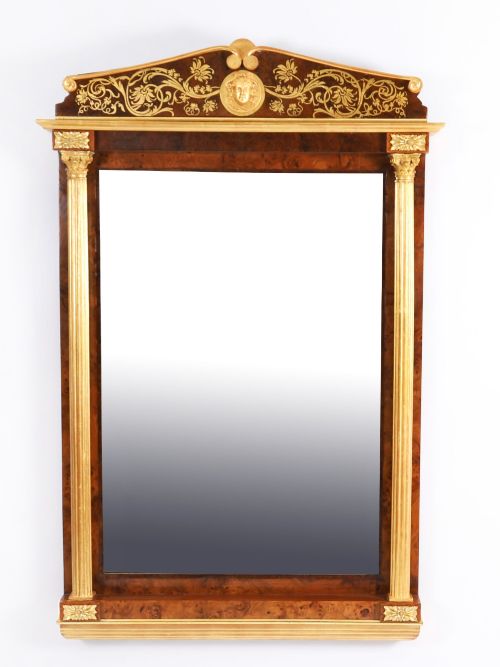
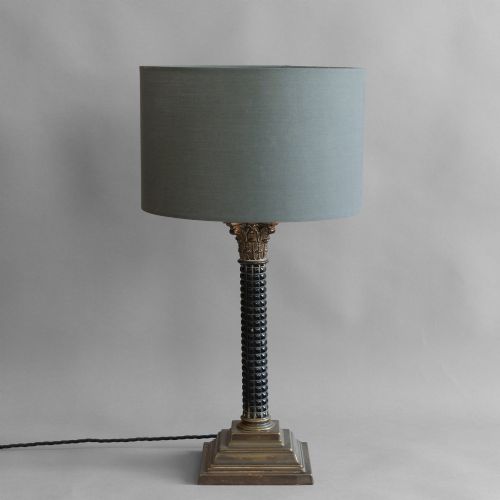
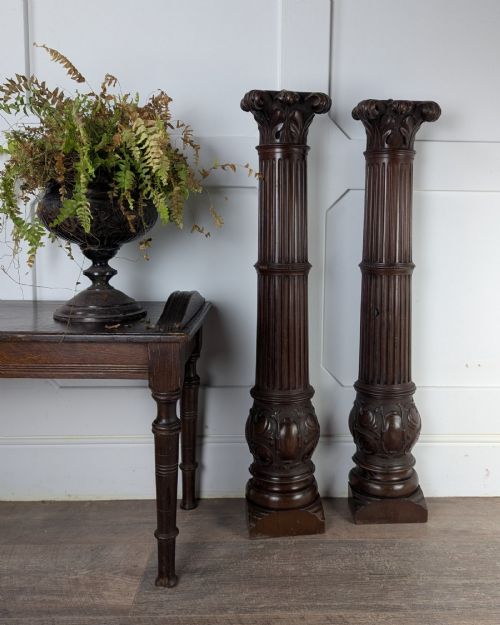
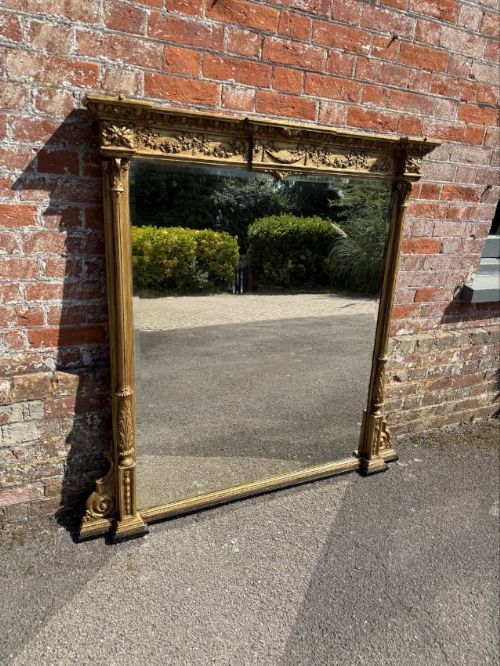
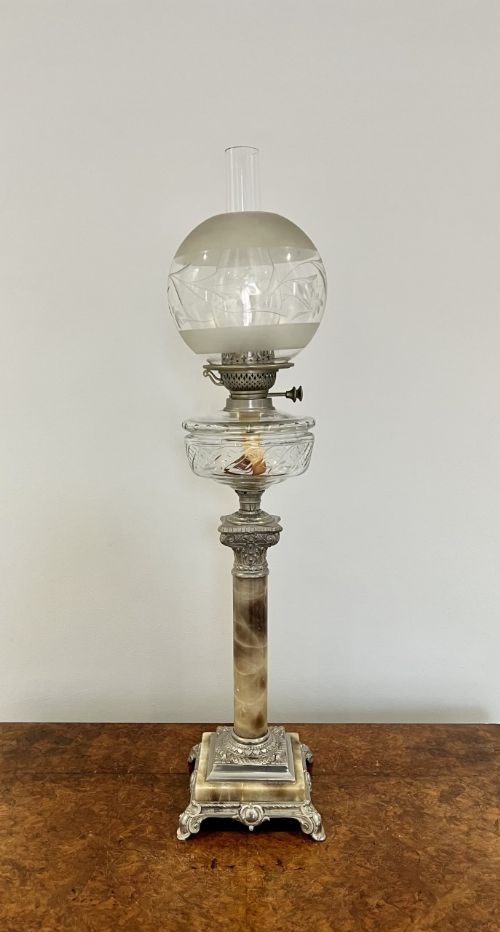
Decorative classical columns encompass architectural salvage, display pedestals, table lamps, and mirrors framed by columnar supports. When exploring decorative classical columns, buyers frequently encounter pieces from the nineteenth century, alongside items dating from the eighteenth and early twentieth centuries.
The selections span distinct forms including torchieres, half columns, and plinths originating from English, French, Italian, and Scandinavian traditions. Neoclassical, Regency, and Victorian styles dominate the physical records, reflecting enduring architectural motifs drawn from antiquity.
How they were made
Craftsmen utilised traditional materials such as carved wood, plaster, gesso, and stone including marble, often finished with gold leaf, paint, or giltwood. Metal elements frequently incorporate brass, bronze, and ormolu.
Joinery and carving techniques combine structural hardwoods and softwoods with applied surface ornamentation such as reeded shafts and carved capitals, while lighting variants integrate glass and rock crystal.
Decorative Classical Columns Retail Price Guide 2026
Typical asking prices for decorative classical columns among the pieces listed under this phrase on Sellingantiques today, from the lower quarter to the upper quarter. They describe what is for sale here now, not the wider market.
Design styles represented include Neoclassical, French Empire, Italian Baroque, and Victorian revivals.
What varies in quality
The degree of refinement in carved details such as acanthus leaves and classical capitals distinguishes standard items from superior examples. Crispness of execution in wood carving or stone shaping indicates the artisan's skill level.
The preservation of original gilding, paint, and patination on surfaces like parcel gilt, faux marble, or Verde Antico influences the overall integrity of the piece.
The Decorative Classical Columns Glossary
- Torchere
- A tall ornamental stand or candlestick designed to hold a light source. These pieces often feature classical column shafts.
- Capital
- The topmost member of a column, dividing the shaft from the entablature. Examples often display carved ionic or corinthian orders.
- Ormolu
- Gilded bronze applications mounted onto decorative objects or furniture. This technique provides metallic contrast against wood or stone.
- Pier Mirror
- A tall mirror designed to hang on the wall between windows. They frequently incorporate flanking columns or pilasters.
- Verde Antico
- A dark green serpentine marble prized for classical columns and architectural details. It originates primarily from Italian quarries.
Decorative Classical Columns: Frequently Asked Questions
How do I style a classical column at home?
Place a single column as a display pedestal in an empty corner to showcase sculptures or vases. Alternatively, use pairs of matching columns to frame doorways or fireplaces.
Ensure the scale of the column complements the surrounding furniture and ceiling height. Stone and marble variations add weight to a room, while wooden or gilded versions offer warmth.
What is the difference between a pedestal and a torchiere?
Pedestals feature flat tops intended for supporting heavy decorative objects like busts or urns. Torchieres traditionally function as stands for lighting or elevated candleholders.
Both forms utilise classical column shafts but serve distinct functional roles within interior spaces.
How do I identify a nineteenth-century column?
Examine the underlying materials, construction methods, and surface patination for signs of age. Nineteenth-century pieces frequently display hand-carved details in wood, plaster, or stone rather than modern synthetic casting.
Stylistic cues such as Regency or Victorian neoclassical revival motifs help narrow the manufacturing era.
Can column table lamps support modern wiring?
Many antique column lamps have been rewired safely for contemporary electrical standards by professional restorers. It remains advisable to have older internal components inspected by a qualified electrician before daily use.
The structural column itself safely houses the internal cord without altering the exterior classical design.