





Decorative Ceramic Tray
When you search for a decorative ceramic tray, you encounter everything from delicate cabinet dishes to robust serving platters.
Decorative Ceramic Tray
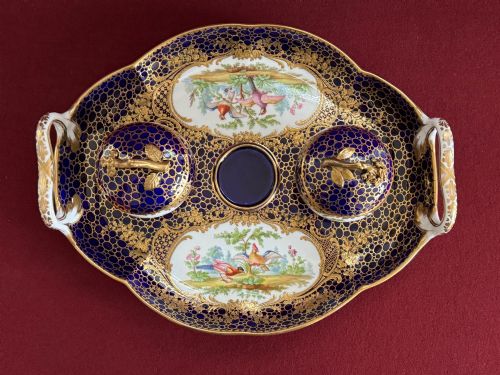
A decorative ceramic tray encompasses diverse forms designed for display or service, including serving platters, cabinet dishes, and inkstands. Pieces span multiple eras from the eighteenth century through the twentieth century, reflecting shifting tastes in domestic ornamentation.
Victorian and Edwardian examples sit alongside Georgian pottery and Japanese Imari imports, demonstrating the wide geographical scope available to collectors. Buyers find both utilitarian serving vessels adapted for display and objects made purely for visual appreciation.
Materials and Manufacture
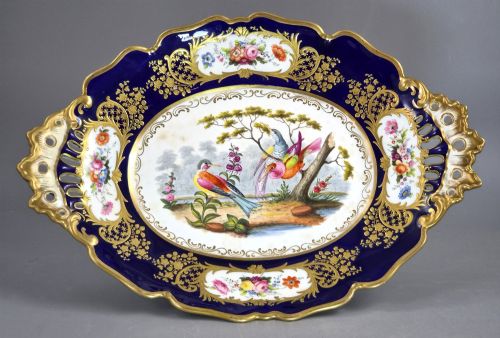
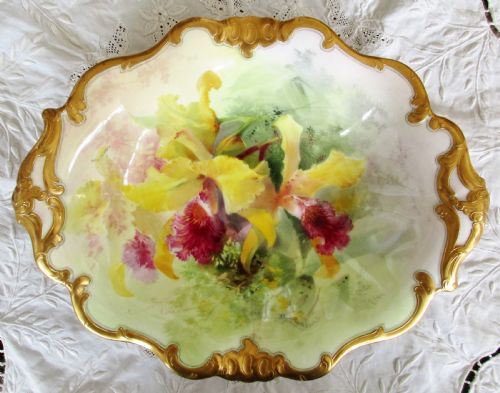
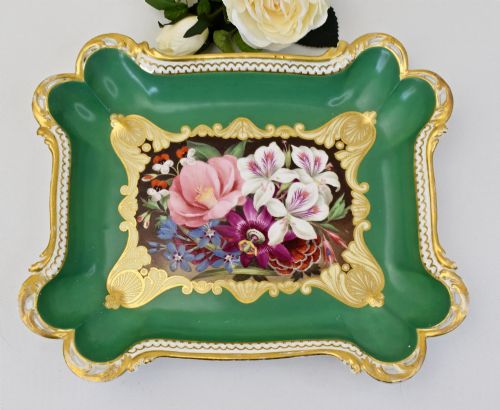
Potters utilised fine porcelain, bone china, and earthenware bodies, often finished with a smooth glaze or painted with detailed enamel motifs. Many examples incorporate hand-painted floral, bird, or figural scenes executed by skilled artists working within established factories.
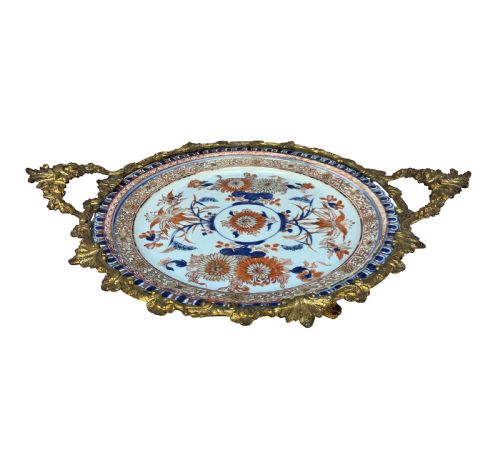
Mounts in ormolu, gilt bronze, and brass frequently frame ceramic plates and trays, adding structural weight and decorative contrast. Gilding and gold leaf accent borders, handles, and pierced rims across nineteenth-century and twentieth-century production.
Decorative Ceramic Tray Retail Price Guide 2026
Typical asking prices for decorative ceramic tray among the pieces listed under this phrase on Sellingantiques today, from the lower quarter to the upper quarter. They describe what is for sale here now, not the wider market.
Listings feature items spanning the eighteenth, nineteenth, and twentieth centuries, incorporating earthenware, bone china, and porcelain.
Determinants of Quality
Quality rests upon the precision of the hand-painted decoration, the crispness of transfer-printed details, and the refinement of the ceramic body itself. Works bearing the signatures of known painters or the marks of premier factories demonstrate superior artistic execution.
The incorporation of secondary materials, such as champlevé enamel or cast bronze mounts, elevates a piece beyond standard utilitarian ware. Condition, proportion, and the complexity of shaped or pierced rims further distinguish finer examples from standard production.
Minton·Royal Crown Derby·Coalport·Royal Doulton·Doe and Rogers·Chamberlain Worcester·Wemyss·Royal Worcester·Vienna·Helena Wolfsohn·Don Pottery·Wedgwood·Meissen·Louis Pierre Malpass·Masons
The Decorative Ceramic Tray Glossary
- Bone china
- A type of porcelain containing bone ash, known for its high strength, opacity, and milky white appearance. It allowed English factories to produce delicate yet durable tableware.
- Imari
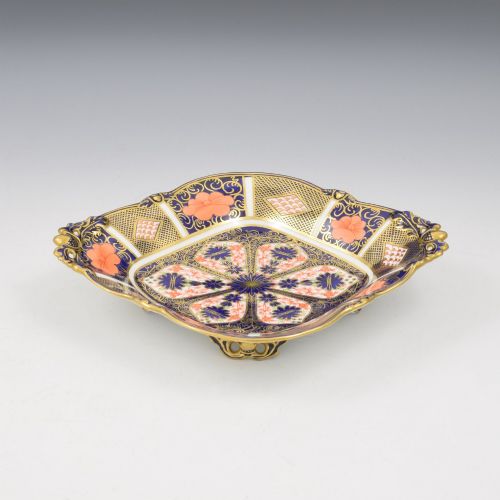
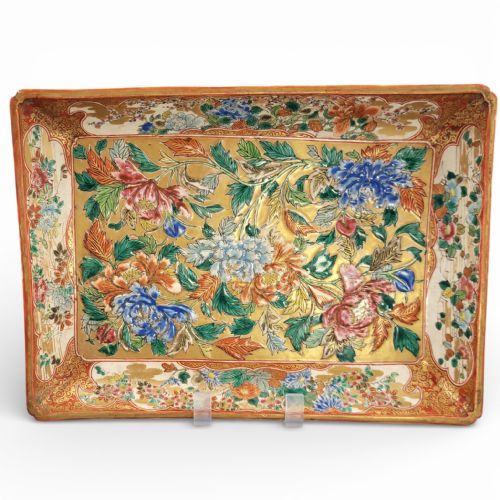
- A style of Japanese porcelain featuring a distinct palette of underglaze blue, iron red, and gold, which heavily influenced European ceramic design. Imitations were subsequently produced by numerous continental and English potteries.
- Transfer printing
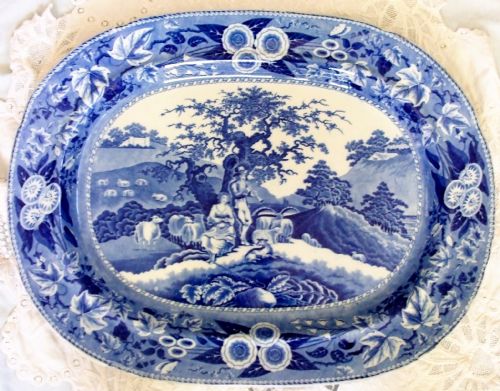
- A mechanical method of applying complex decorative patterns to ceramics by pressing a paper design from an engraved copper plate onto the biscuit or glazed surface. This technique enabled the mass production of intricate blue and white patterns.
- Cabinet dish
- A decorative plate or tray intended purely for display within a cabinet or on a wall rather than for dining use. These pieces often feature elaborate hand-painted subject matter by named artists.
- Champlevé
- An enamelling technique where troughs are carved into a metal surface and filled with vitreous enamel powder before firing. It frequently appears on mounts attached to nineteenth-century French porcelain.
Decorative Ceramic Tray: Frequently Asked Questions
What is a decorative ceramic tray used for?
These pieces served varied functions in historic homes, ranging from practical service at the dining table to purely decorative display on sideboards and inside cabinets. Many items, such as inkstands and cabinet dishes, were designed specifically for desks or formal reception rooms.
Today, collectors utilise them in similar ways, placing serving platters on display or using smaller trays to hold small items. Their sturdy construction permits careful handling, though many owners prefer to keep them in protected settings.
How do I identify a Victorian piece?
Victorian examples often display eclectic revival styles, incorporating Rococo scrolls, Chinoiserie motifs, or naturalistic floral painting. The ceramic body and glaze characteristics, combined with factory marks from the nineteenth century, help confirm the era of manufacture.
Weight, thickness, and the specific style of gilding also offer clues to nineteenth-century production methods. Comparing unmarked items with documented factory patterns from the same decades aids accurate dating.
Are these trays safe to use for food?
While historic earthenware, porcelain, and ironstone were originally made for domestic dining, older glazes and enamel decorations can react with certain foods. Modern collectors generally treat antique serving dishes and platters as display objects rather than functional tableware.
Hand washing in lukewarm water is essential if a piece is used, as harsh detergents and dishwashers damage fragile gilding and historic glazes. Enamels applied over the glaze are particularly vulnerable to scratching and fading over time.
What does Imari mean on a ceramic?
Imari refers to Japanese export porcelain featuring deep cobalt blue and iron red combined with gilt highlights. European factories admired these aesthetics and produced their own versions, often termed Japanese Imari or Imari style.
Distinguishing between Japanese originals and English or continental copies involves examining the paste, weight, and underglaze characteristics. Both categories hold significant historical interest for ceramic collectors.