




Decorative Ceramic Storage
Decorative ceramic storage pieces bring practical vessels into daily rooms, offering both container and colour.
Decorative Ceramic Storage
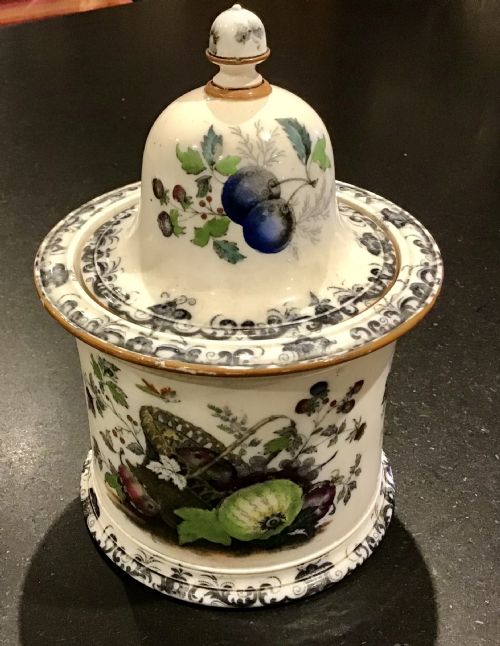
Decorative ceramic storage encompasses jars, pots, and caddies created to hold provisions or dry goods while ornamenting an interior space. These objects range from nineteenth century earthenware jars to earlier porcelain vessels originating across diverse global traditions.
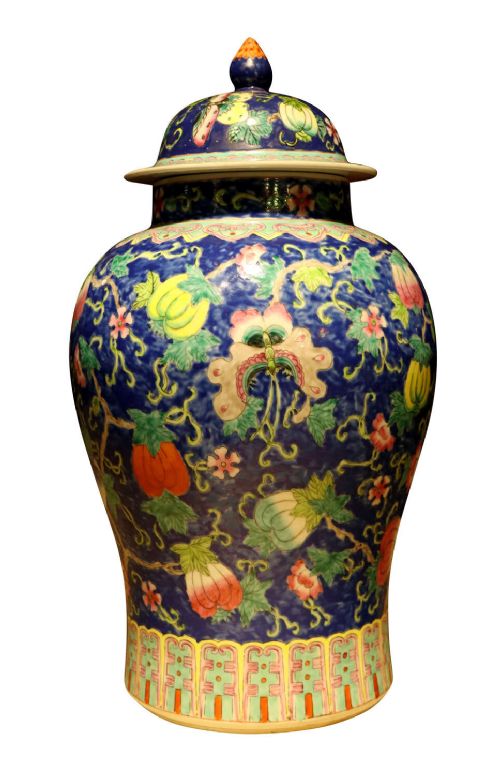
The selections available on this page lean heavily towards ginger jars, lidded pots, and tea caddies shaped in ceramic, porcelain, and earthenware. Pieces span periods from the seventeenth century through to the Edwardian era, showing influences such as Chinoiserie and the Aesthetic Movement.
How They Were Made
Potters shaped these vessels using traditional methods in ceramic and earthenware, frequently applying rich coloured glazes to seal the porous clay body. Many items integrate metal elements such as brass, copper, or cast iron mounts and lids.
Surface decoration relies upon handpainted motifs, enamel work, and specialised techniques like cloisonne enamel applied over pottery bases. These combined processes produced durable storage containers capable of surviving centuries of household handling.
Decorative Ceramic Storage Retail Price Guide 2026
Typical asking prices for decorative ceramic storage among the pieces listed under this phrase on Sellingantiques today, from the lower quarter to the upper quarter. They describe what is for sale here now, not the wider market.
What Varies in Quality
Quality rests upon the precision of the potting and the execution of the handpainted or enamel decoration across the surface. Finer examples display meticulous attention to detail in the motifs and a harmonious balance between the ceramic body and any metal mounts.
The preservation of the original glaze and the clarity of painted details differentiate superior objects from simpler utilitarian vessels. Age and historical provenance also contribute to the distinction of the top tier of pieces.
Coalbrookdale·Herend
The Decorative Ceramic Storage Glossary
- Ginger jar
- A wide-shouldered storage vessel traditionally used for spices and preserved ginger, now prized for decorative display. These pots typically feature a domed lid and a bulbous body.
- Biscuit barrel
- A lidded container designed to keep dry baked goods fresh on a dining table or sideboard. They frequently incorporate metal handles and mounts.
- Tea caddy
- A small box or jar intended for the dry storage of loose tea leaves, often fitted with a secure lid. These pieces appear in porcelain and earthenware.
- Cloisonne
- A decorative metalwork technique utilising wired compartments filled with enamel paste and fired. On ceramic bodies, this method produces intricate mosaic patterns.
- Earthenware
- Porous pottery fired at lower temperatures, commonly coated in an opaque or coloured glaze. This material forms the base for many traditional storage pots.
Decorative Ceramic Storage: Frequently Asked Questions
What were decorative ceramic storage jars originally used for?
These vessels served practical roles in households for containing foodstuffs, spices, tea, and dry provisions away from moisture and pests.
Their robust construction made them suitable for everyday pantry use while their decorative exteriors allowed them to sit openly in reception rooms.
How do I style ceramic storage pieces at home?
Lidded jars and ginger jars function well as standalone decorative accents on mantelpieces, sideboards, or open shelving units.
Pairs look balanced when placed symmetrically on either side of a fireplace or console table.
Are these storage jars still suitable for holding food?
Historic ceramic vessels often feature porous clay bodies or historical glazes that may not meet modern food safety standards.
Collectors generally use them for dry display or store non-edible items within them to protect the interior surfaces.
How can I tell the age of a ceramic jar?
Dating relies on examining the characteristics of the ceramic body, the formulation of the glaze, and the style of the painted or enamelled decoration.
Maker marks, where present, alongside construction techniques help anchor pieces to periods like the Edwardian era or the nineteenth century.